Trump Humiliated as Key Allies Take to Streets to Rally Against Him - The Daily Beast
NATO allies protested U.S. military involvement in Iran on March 22, 2026, in cities like Madrid and Montreal, reflecting public opposition.
Lauren Collins ·
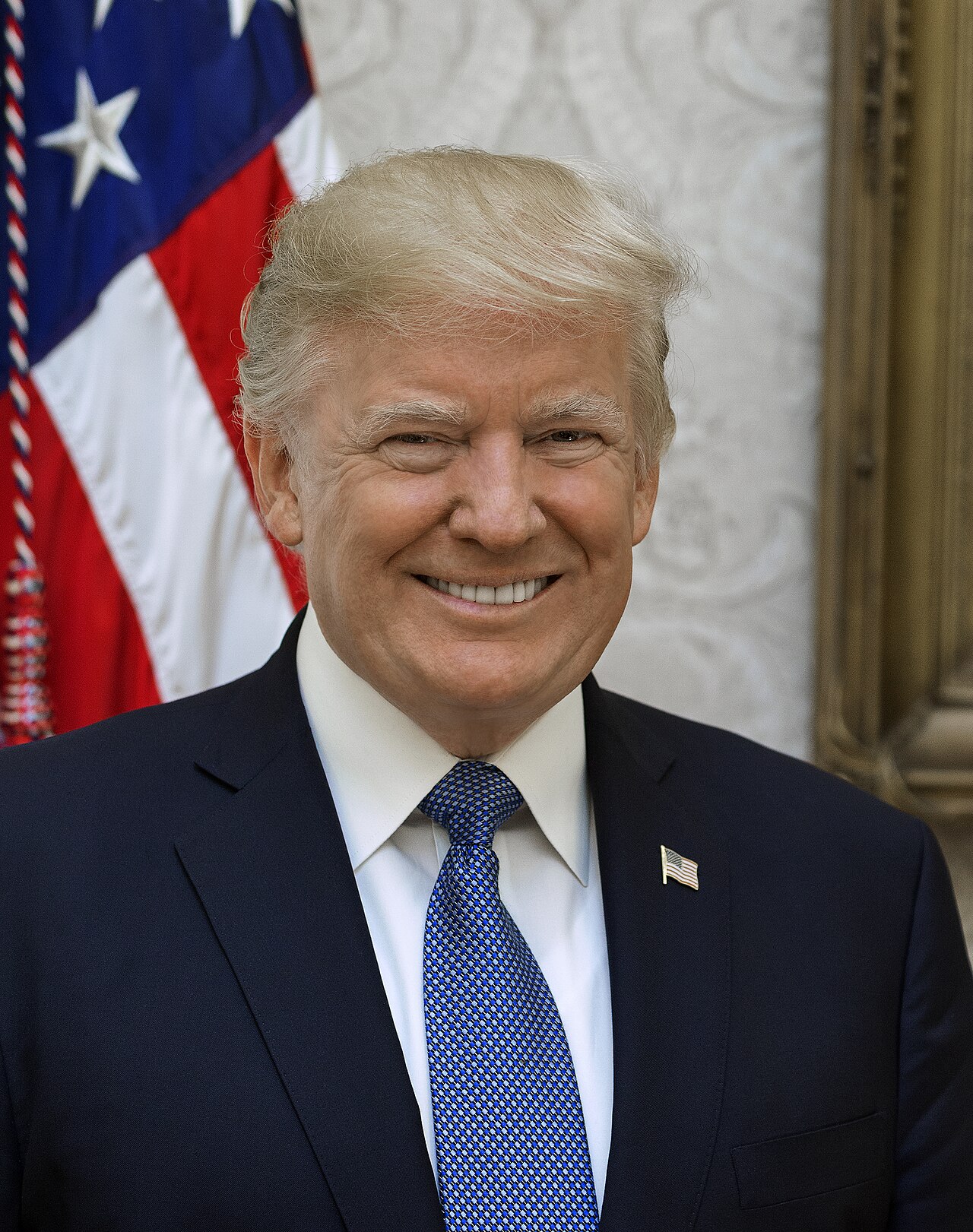
Public demonstrations occurred across several NATO member nations on Saturday, March 22, 2026, protesting United States military involvement in Iran. Citizens in Canada, Spain, and other allied countries voiced opposition to the conflict, which began on February 28. These protests took place in major cities, including Montreal, Madrid, Edinburgh, and Amsterdam.
Demonstrators in Montreal displayed banners criticizing both former U.S. President Donald Trump and Israeli Prime Minister Benjamin Netanyahu. In Madrid, an estimated 4,000 individuals participated in a protest, using the slogan "Down with Trump and Zionism." The protests in Edinburgh and Amsterdam coincided with the International Day for the Elimination of Racial Discrimination.
International Opposition to Conflict
Former President Trump's Stance
Economic Repercussions and Geopolitical Context
The protests underscore a divergence in public opinion between some allied populations and the U.S. administration's foreign policy. This public sentiment could influence future diplomatic relations and military cooperation within the NATO alliance. The demonstrations highlight the complexities of maintaining international consensus on military interventions, particularly in regions with significant geopolitical and economic implications.
Historical Context of US-Iran Relations
Future Implications for Alliance Cohesion
Implications
Country Impact: The protests indicate a potential strain on diplomatic relations between the U.S. and some NATO allies, reflecting public disagreement with U.S. foreign policy. This could lead to increased domestic pressure on allied governments regarding their support for U.S. military actions.
Industry Impact: The brief spike in Brent crude oil prices highlights the energy market's sensitivity to geopolitical instability in the Middle East. Continued tensions or disruptions in key transit routes like the Strait of Hormuz could lead to sustained volatility in global oil markets.
Market Impact: Global financial markets may react to prolonged geopolitical uncertainty, particularly concerning energy supplies. Investor confidence could be impacted by the potential for wider regional conflict, influencing equity, bond, and commodity markets.