Trump Advisers Plan 2026 Midterm Loyalty Strategy
Trump advisers are outlining a 2026 midterm strategy prioritizing candidate loyalty to the "America First" agenda, aiming to reshape the Republican Party.
Lauren Collins ·
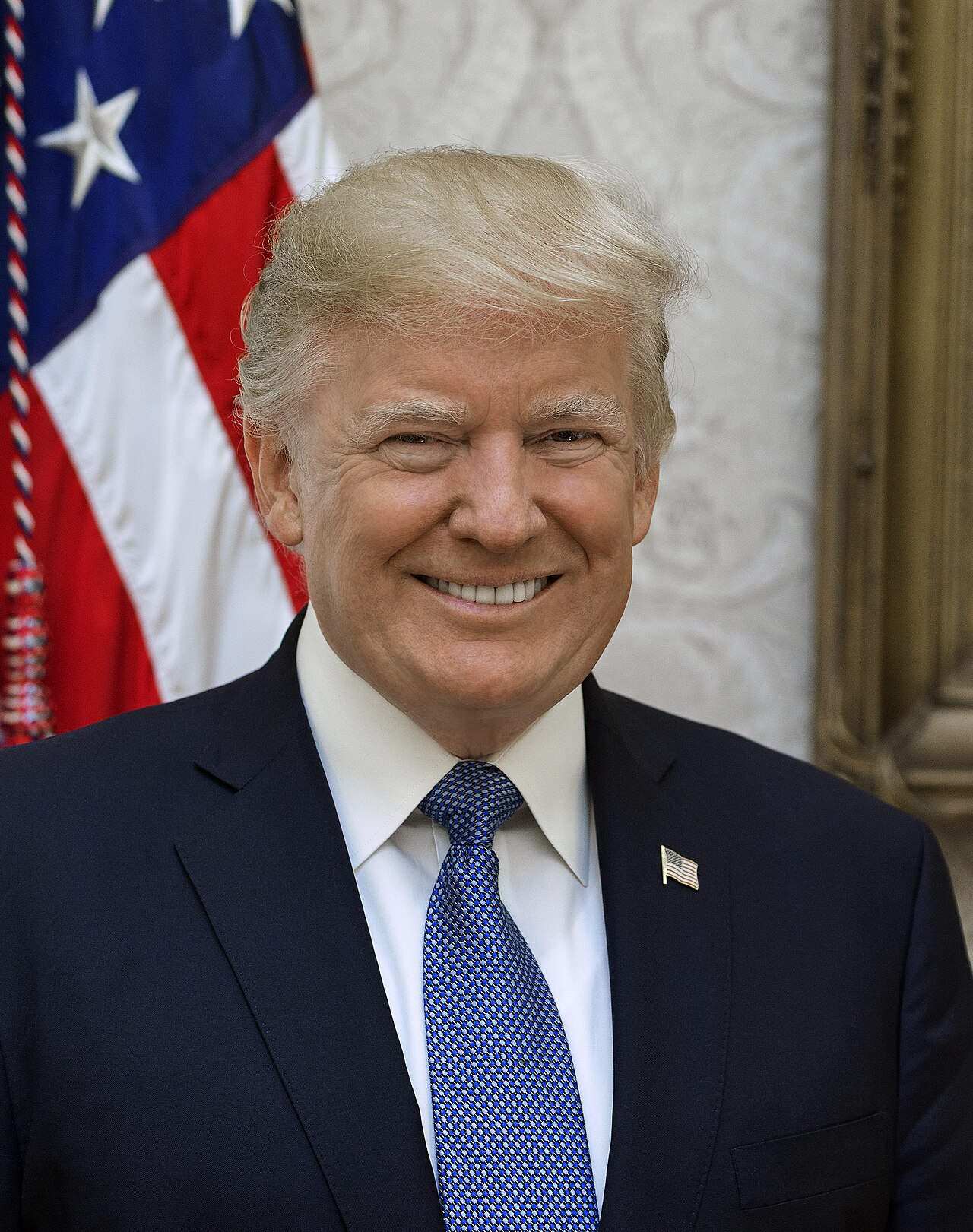
Advisers to former President Donald Trump are developing a strategic framework for the 2026 midterm elections, focusing on candidate loyalty to the former president and his "America First" platform. This initiative seeks to reshape the Republican Party's composition and ideological direction, moving away from conventional policy-centric campaigns.
The strategy, recently articulated in internal discussions, prioritizes the endorsement and support of candidates who demonstrate strong allegiance to Trump's political agenda. This approach is designed to consolidate influence within the party ahead of future electoral cycles.
Shaping Republican Primaries
A core component of this strategy involves actively challenging incumbent Republican officials who are perceived as not sufficiently aligned with Trump's vision. These primary contests are intended to replace less loyal figures with candidates who fully embrace the "America First" principles.
This focus on internal party discipline aims to create a more cohesive and unified Republican front. The objective is to ensure that the party's messaging and policy stances are consistent with the former president's platform across various federal and state races.
Impact on Candidate Selection
The implementation of this strategy is expected to significantly influence candidate selection processes for congressional and state-level elections over the next two years. Advisers anticipate that this will lead to a slate of candidates more directly reflective of Trump's political base.
Historically, midterm elections often serve as a referendum on the sitting president's administration. For the Republican Party, the 2026 midterms will also be a critical period for defining its post-Trump identity, even as Trump's influence remains a dominant factor.
Broader Political Implications
This strategic shift could have profound implications for the Republican Party's internal dynamics and its electoral performance. By emphasizing loyalty over traditional policy platforms, the party risks alienating moderate voters while energizing its base.
The approach also signals a potential long-term effort to prepare the ground for future presidential campaigns, ensuring a supportive party infrastructure. The focus on ideological purity and loyalty could redefine the criteria for Republican leadership and representation.
Historical Context of Party Control
Efforts to exert control over party nominations are not new in American politics, but the intensity and explicit focus on personal loyalty represent a notable development. This strategy contrasts with periods where party platforms were primarily shaped by legislative priorities or broad ideological consensus.
The 2026 midterms will therefore serve as a crucial test of the former president's enduring influence and the Republican Party's willingness to align with his specific political directives. The outcomes of these primary battles will indicate the extent to which the party is willing to centralize power around a single figure and a defined set of principles.
Implications
Country Impact: The strategy could deepen political polarization within the United States, potentially leading to more ideologically rigid political discourse and legislative gridlock. It may also alter the balance of power within the Republican Party, favoring a more populist wing.
Industry Impact: No direct industry-specific implications are immediately apparent from this political strategy. However, shifts in political power and policy priorities could indirectly affect various sectors depending on the specific legislative agenda pursued by a more unified Republican Party.
Market Impact: While not directly impacting financial markets, increased political uncertainty or significant shifts in policy direction following the 2026 midterms could introduce volatility. Investor sentiment might react to perceived changes in regulatory environments or fiscal policy outlooks.