US Seeks Majority Control of Venezuela's Oil Reserves
President Trump announced a deal for US majority control of 65 billion barrels of Venezuelan oil, impacting global supply and US refining.
Mateo Fernandez ·
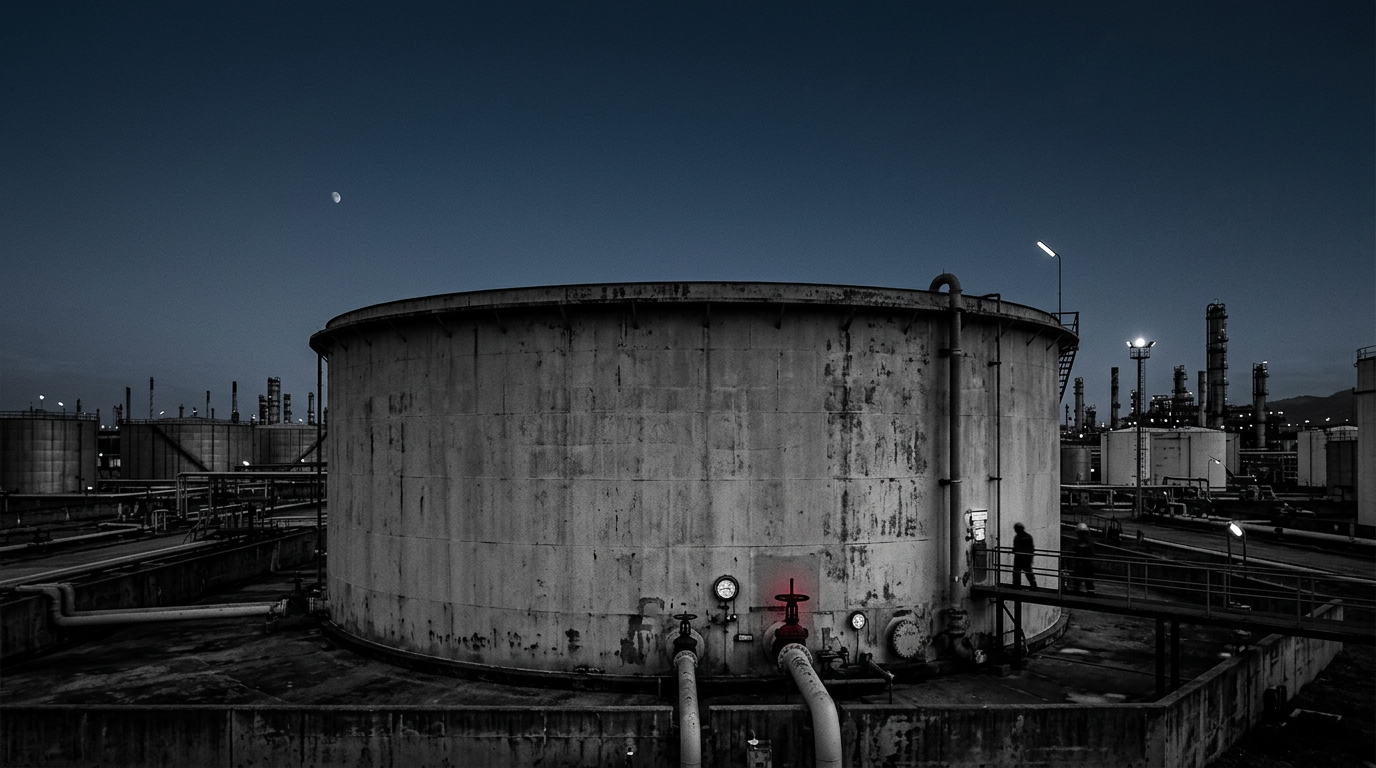
President Donald Trump announced on Friday that the United States had secured majority control over more than 65 billion barrels of Venezuela's confirmed oil reserves. This declaration suggests significant implications for global crude oil markets and for American refining operations. According to Trump, the agreement emerged from discussions involving US officials, Venezuela's interim leadership, and various private business entities.
While the former President highlighted the deal's existence, specific details were not disclosed. Information regarding the particular oil fields involved, the participating companies, the established legal framework, or the financial terms of the arrangement remains publicly unknown. Industry observers are awaiting further clarification on these crucial aspects to assess the deal's viability and practical implementation.
Securing Long-Term Access
Officials involved in the discussions indicated that a primary of this initiative is to ensure long-term access for American companies to Venezuelan oilfields. The crude oil extracted under this proposed arrangement would be directed specifically to the United States. Venezuelan officials are reportedly preparing to finalize agreements in the coming week, which would grant new exploration and production rights, with a stated preference for US firms.
Venezuela possesses the world's largest proven oil reserves, estimated at over 300 billion barrels. However, its current production capacity stands at approximately 1.25 million barrels per day, a figure severely constrained by years of underinvestment, economic mismanagement, and international sanctions. Documents described by officials suggest that the fields targeted for this agreement are located within the Orinoco Belt and Lake Maracaibo regions, areas renowned for their extensive deposits of heavy crude oil.
Investment Prospects and Regulatory Hurdles
US officials have posited that this plan could lead to lower-cost oil supplies for the United States, potentially alleviating domestic energy expenditures. Concurrently, Venezuelan officials expressed optimism that developing 17 strategic fields could attract vital new investment, create employment opportunities, and boost tax revenues for the nation. Despite these aspirations, the Venezuelan government has not yet presented a signed contract or provided detailed field-level terms for public scrutiny.
A significant question remains regarding the overall viability of this arrangement, especially considering Venezuela's existing legal restrictions that mandate state control over core oil activities. Securing the substantial capital required for infrastructure development, particularly for the extraction and processing of heavy crude, also presents a considerable challenge. Should agreements be formally signed by September 5, 2026, the initial market response will indicate whether traders perceive this as a credible future supply source or if they will discount it until financial backing and legal authority are unequivocally established. The International Monetary Fund projects a 2.1% real GDP growth for the USA in 2026, with inflation at 2.4% and unemployment at 4.1% for the same year.