Trump Claims Iran Nearing Surrender to US
Former U.S. President Trump reportedly told G7 leaders on March 11, 2026, that Iran was nearing surrender amid ongoing Middle East conflict.
Lauren Collins ·
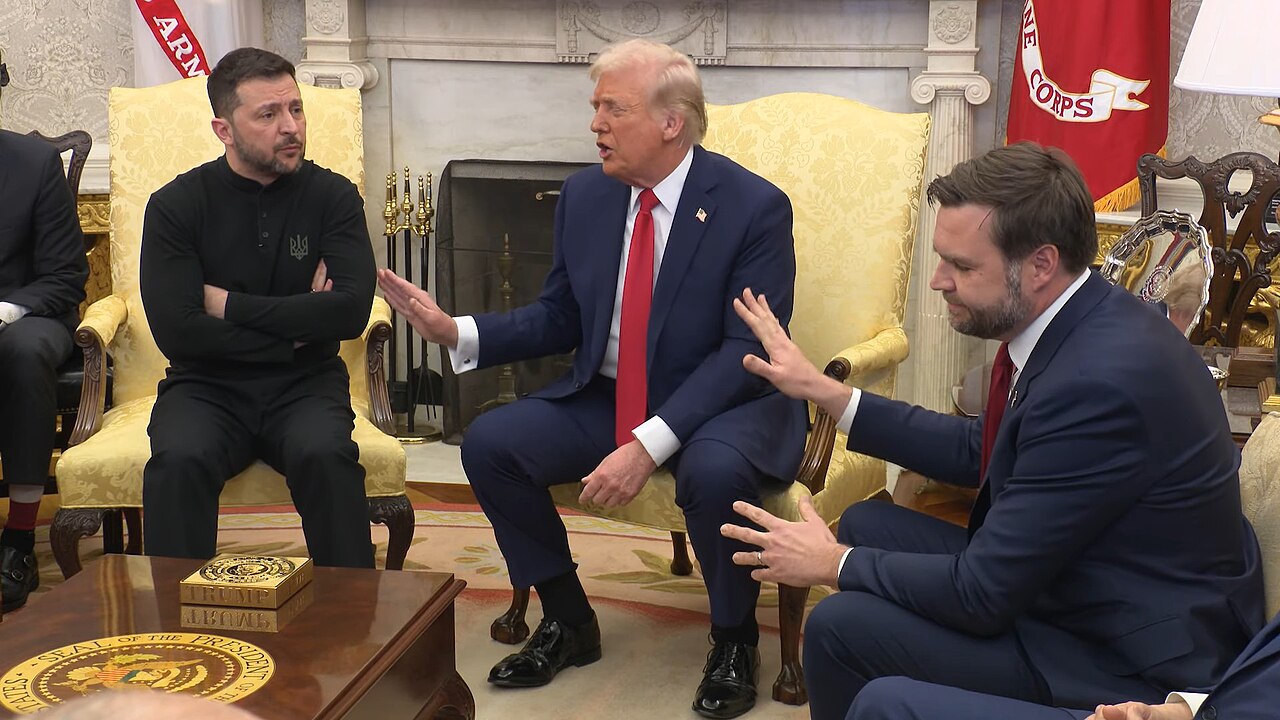
Former U.S. President Donald Trump reportedly informed G7 leaders on March 11, 2026, that Iran was on the verge of capitulation. This assertion, detailed in an Axios report from March 13, 2026, suggests a significant shift in the ongoing Middle East conflict. The virtual meeting involved leaders from the Group of Seven nations, where Trump's comments were made.
Presidential Assertions on Iran
During the G7 virtual summit, three officials present on the call confirmed Trump's statement regarding Iran's imminent surrender. The former President reportedly highlighted the effectiveness of an operation he termed "Operation Epic Fury." This operation, according to Trump, had created a situation where "nobody knows who is the leader, so there is no one that can announce surrender."
Regional Conflict Escalation
These claims emerge as the Middle East conflict approaches its second week, marked by intensified drone and missile exchanges. The region has experienced a significant escalation in hostilities, leading to widespread concern among international observers. The nature and targets of these exchanges remain a critical point of analysis for global security.
Geopolitical Context and Implications
Trump's remarks, even if made in a private setting, carry substantial geopolitical weight given his past and potential future role in U.S. foreign policy. Such statements can influence market perceptions and diplomatic strategies, particularly concerning oil prices and regional stability. The G7, comprising major global economies, often discusses critical international security matters, making the context of these remarks significant.
International Response and Verification
International bodies and allied nations are likely to scrutinize such claims for their veracity and potential impact on de-escalation efforts. The absence of a clear leadership structure within Iran, as suggested by Trump, would complicate any potential peace negotiations or surrender terms. Verification of these claims by independent sources remains crucial for understanding the true state of affairs in the conflict zone.
Outlook on Middle East Stability
The ongoing conflict and the former President's statements underscore the volatile nature of Middle Eastern geopolitics. Future developments will depend on the trajectory of military actions, diplomatic interventions, and the internal political dynamics within Iran. Global markets, particularly energy sectors, will continue to monitor the situation closely for any signs of resolution or further escalation.
Implications
Country Impact: The claims could influence the foreign policy stances of G7 nations towards Iran, potentially affecting diplomatic efforts and sanctions regimes. It may also impact internal political stability within Iran if perceived as a sign of weakness or external pressure.
Industry Impact: Energy markets, particularly oil and gas, could experience heightened volatility due to uncertainty surrounding Middle East stability. Defense and aerospace industries might see increased demand for military hardware and surveillance technologies.
Market Impact: Global financial markets may react to perceived shifts in geopolitical risk, leading to fluctuations in equity indices, bond yields, and currency valuations. Investors might seek safe-haven assets amidst increased regional tensions.