Trump Urges UK Warship Deployment in Hormuz Strait
Donald Trump urged the UK and allies to deploy warships to the Strait of Hormuz to ensure its operation amid Iran tensions, impacting global oil supply.
Lauren Collins ·
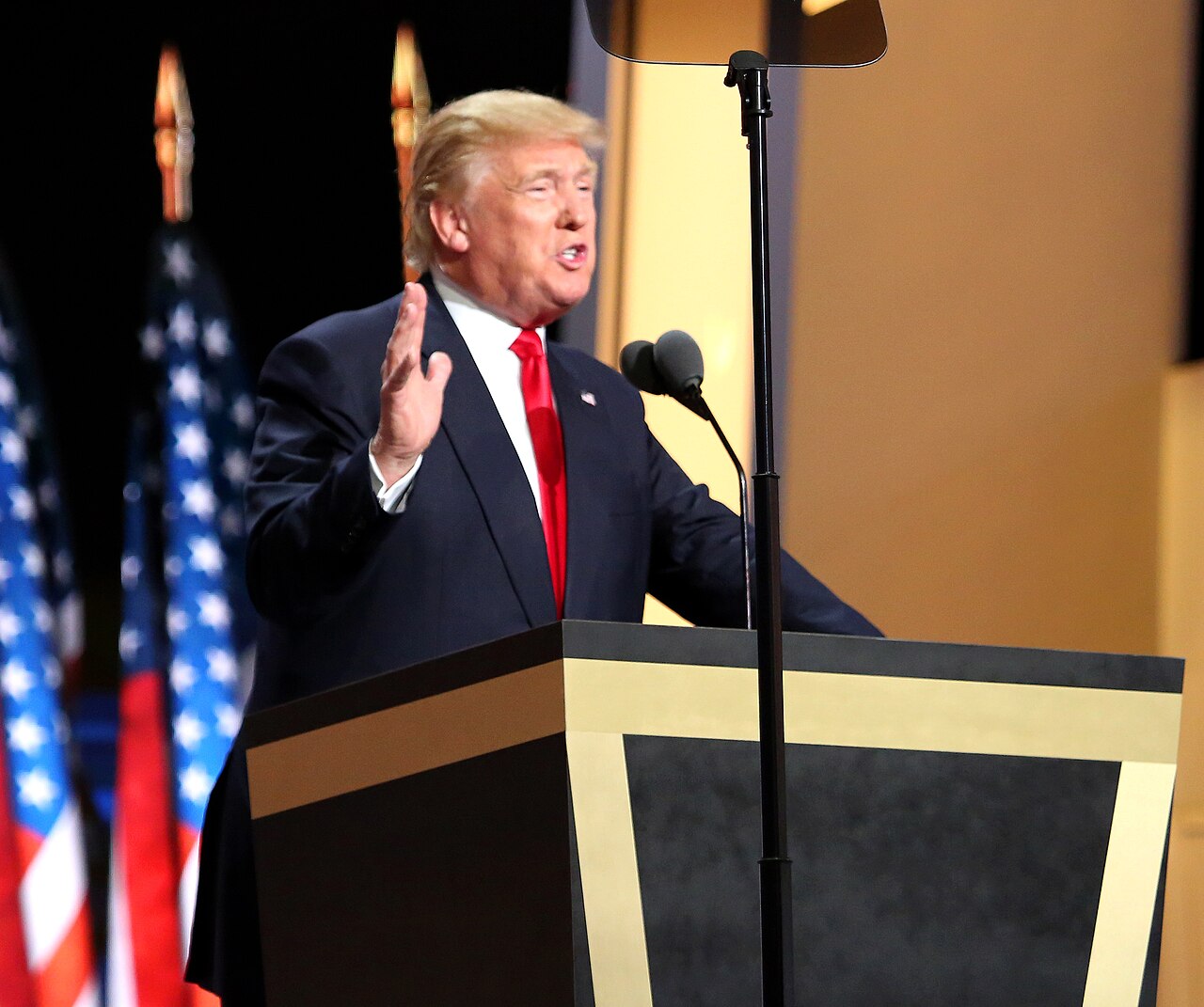
Former U.S. President Donald Trump recently called for the United Kingdom and other allied nations to deploy naval assets to the Strait of Hormuz. This directive, issued on Saturday via his Truth Social platform, aims to maintain the critical waterway's operational status amidst heightened regional tensions.
The appeal follows a two-week period marked by U.S. and Israeli military actions against Iran, which have reportedly led to the effective closure of the strait. This maritime chokepoint is vital for global energy markets, as it facilitated the transit of approximately 20 million barrels of oil daily last year, representing about one-fifth of the world's total supply.
International Shipping Concerns
Trump specifically identified China, France, Japan, South Korea, and the UK as nations that should contribute naval forces. He argued that these countries, significantly impacted by any disruption to the strait, have a vested interest in its security. The former president's statement highlighted the strategic importance of the waterway for international commerce and energy supply chains.
Regional Geopolitical Context
The call for international naval deployment comes amid a complex geopolitical landscape in the Middle East. Recent military engagements have escalated tensions, with reports indicating a substantial impact on Iran's military capabilities. Despite these claims, concerns persist regarding Iran's capacity for localized disruptions to shipping.
UK Response and Diplomatic Engagements
The UK Ministry of Defence has acknowledged the situation, stating that it is actively engaged in discussions with allies to explore options for safeguarding regional maritime traffic. These diplomatic efforts underscore the international community's recognition of the strait's strategic significance and the need for coordinated action.
Historical Precedent and Policy Shifts
Trump's current stance on international cooperation in the Strait of Hormuz presents a notable shift from previous criticisms. Earlier, he had publicly criticized UK Prime Minister Keir Starmer for not participating in initial strikes against Iran. These earlier military actions reportedly resulted in the death of Iran's Supreme Leader, Ayatollah Ali Khamenei, further complicating regional dynamics.
Economic Implications of Strait Closure
The reported closure of the Strait of Hormuz has already contributed to an increase in global oil prices. This rise in energy costs places additional pressure on the global economy, potentially impacting inflation and economic growth prospects worldwide. The stability of this shipping lane is therefore crucial for global economic health.
Outlook for Maritime Security
The ongoing discussions among international partners will determine the future course of action regarding maritime security in the Strait of Hormuz. The focus remains on de-escalation while ensuring the unimpeded flow of global energy supplies through this critical passage. The involvement of multiple nations highlights the shared responsibility in maintaining regional stability.
Implications
Country Impact: The UK and other nations face diplomatic pressure to commit naval resources, potentially increasing their military involvement in the Middle East. This could strain defense budgets and alter foreign policy priorities.
Industry Impact: The global energy sector, particularly oil and gas, faces heightened volatility and supply chain risks. Increased shipping costs and insurance premiums for vessels transiting the Strait of Hormuz are likely.
Market Impact: Global oil prices are expected to remain elevated or increase further due to supply concerns, impacting inflation and potentially leading to broader economic slowdowns. Equity markets may react negatively to increased geopolitical risk.