Trump Calls for Hormuz Naval Coalition Amid Iran Tensions
Trump calls for international naval coalition to secure Strait of Hormuz amid Iran's closure and rising oil prices.
Lauren Collins ·
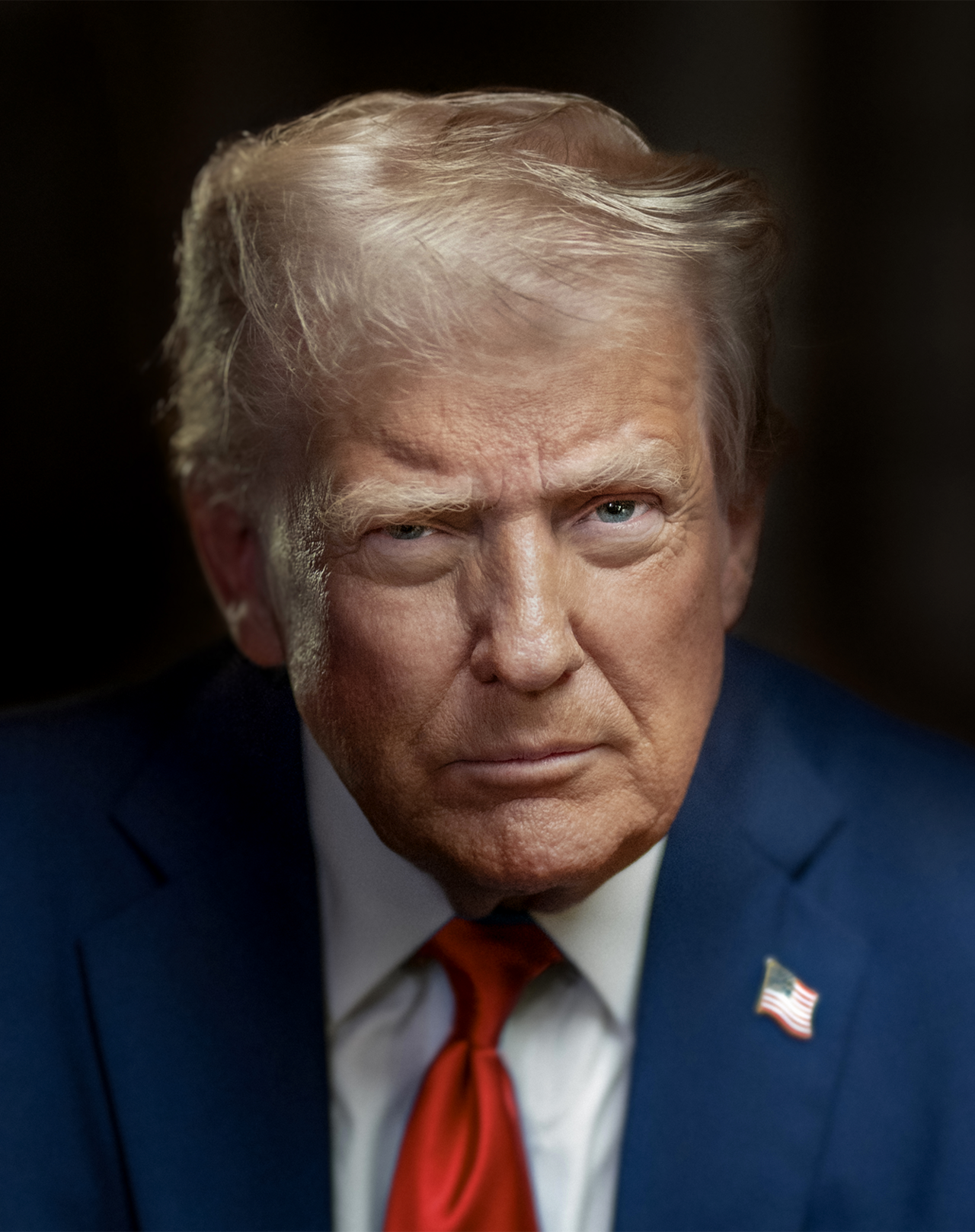
Former U.S. President Donald Trump advocated for an international naval coalition on March 15, 2026, to ensure the security of the Strait of Hormuz. This strategic waterway is vital for global energy markets, facilitating approximately one-fifth of the world's crude oil shipments. The call for a coalition emerged amidst heightened regional tensions, specifically an ongoing conflict involving the U.S., Israel, and Iran.
Iran's recent actions, including what has been described as an effective closure of the strait, have significantly impacted global oil prices. Following these developments, crude oil futures surpassed $100 per barrel. Mojtaba Khamenei, Iran's new supreme leader, has publicly committed to maintaining the strait's closure, with other Iranian officials suggesting potential price escalations to over $200 per barrel.
International Response and Regional Control
President Trump specifically urged several nations, including China, France, Japan, South Korea, and the United Kingdom, to contribute naval assets to the region. He also extended this appeal to other countries heavily reliant on oil imports. Trump indicated that the United States would offer substantial support to any participating nations in this proposed maritime security effort.
Iran's Stance on Strait Access
Iranian officials have offered a nuanced perspective on the strait's status. Alireza Tangsiri, Commander of the Islamic Revolutionary Guard Corps Navy, stated that while the strait is not militarily blocked, it remains under Iranian operational control. Furthermore, Iranian Foreign Minister Abbas Araghchi clarified that the waterway is open to international shipping, with the notable exception of vessels associated with the United States and its allies.
Geopolitical Context and Economic Impact
The Strait of Hormuz, a narrow passage between the Persian Gulf and the Gulf of Oman, is a critical chokepoint for global trade. Its disruption has immediate and far-reaching economic consequences, particularly for energy-dependent economies worldwide. The current situation underscores the fragility of global supply chains and the direct link between geopolitical stability and commodity prices.
Historical Precedent and Future Outlook
Historically, tensions in the Strait of Hormuz have frequently led to spikes in oil prices and increased international diplomatic efforts. The current scenario echoes past periods of instability in the region, highlighting the persistent challenges in maintaining freedom of navigation in strategically sensitive areas.
The formation of an international coalition, if realized, would represent a significant escalation in the international community's response to Iran's actions and could reshape maritime security protocols in the Middle East.
Implications
Country Impact: The proposed naval coalition could significantly alter geopolitical dynamics in the Middle East, potentially drawing in major global powers and increasing regional military presence. Nations reliant on oil imports face heightened economic vulnerability.
Industry Impact: The energy sector faces extreme volatility, with oil prices directly impacted by the strait's status. Shipping and logistics industries will experience increased costs and potential disruptions due to security concerns and rerouting.
Market Impact: Global financial markets are likely to react with increased uncertainty, particularly in commodity markets. Equity markets may see downturns in sectors sensitive to energy costs, while safe-haven assets could experience inflows.