Trump Announces Iran Deal, Ceasefire in Lebanon
President Trump confirmed a US-Iran deal encompassing a ceasefire in Lebanon and the reopening of the Strait of Hormuz, prompting market shifts.
Lauren Collins ·
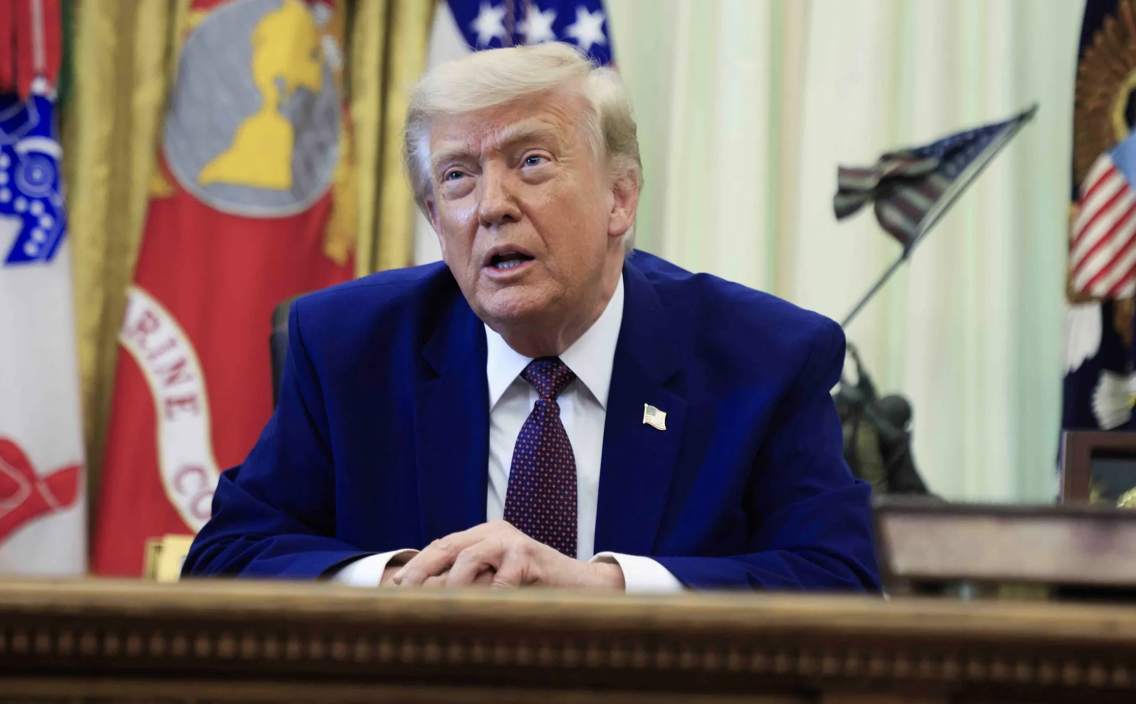
President Trump declared Sunday that a new agreement between the United States and Iran has been reached, signaling a significant de-escalation of tensions in the Middle East. The deal reportedly includes a cessation of hostilities between Hezbollah and Israel in Lebanon, an area that has experienced ongoing cross-border exchanges for months.
Trump’s announcement followed his earlier criticism of Israeli military actions in Beirut. In a post on Truth Social, he stated that these strikes "should not have happened" and called for "no more attacks by Israel".
De-escalation Efforts Unfold
The President's public stance indicated a direct engagement in diplomatic efforts to stabilize the region. Fox News reported a conversation between Trump and Israeli Prime Minister Benjamin Netanyahu occurring on Sunday, underscoring high-level negotiations.
A key component of the newly announced agreement is the planned reopening of the Strait of Hormuz. Trump specified that the vital shipping lane is expected to resume full operations by Friday, following the official signing of the deal.
Economic Repercussions and Trade Policy
Financial markets responded swiftly to the news of a potential de-escalation. Brent crude oil futures saw a notable decline of over 3%, dropping towards $84 a barrel, reflecting reduced geopolitical risk premiums.
Concurrently, US equity futures posted gains, with Nasdaq 100 futures rising 1.3% and S&P 500 futures climbing 0.8%. European natural gas futures also declined as much as 5.8%, indicating a broader positive market reaction to diminished regional instability.
Broader Economic Directives
Separate from the Iran deal, President Trump recently signed an order aimed at intensifying customs enforcement. This directive targets substantial trade imbalances, instructing authorities to bolster efforts against illicit trade practices. The move underscores ongoing concerns regarding global trade deficits.
The dual focus on Middle East diplomacy and domestic trade enforcement highlights the administration's active posture on both foreign policy and economic fronts. The coming weeks will likely reveal more details regarding the implementation of the Iran agreement and its impact on regional stability and global markets.