Trump Administration Implements New Tariff Strategy
The Trump administration launched a new tariff strategy in March 2026 to boost U.S. manufacturing and reduce reliance on foreign supply chains.
Lauren Collins ·
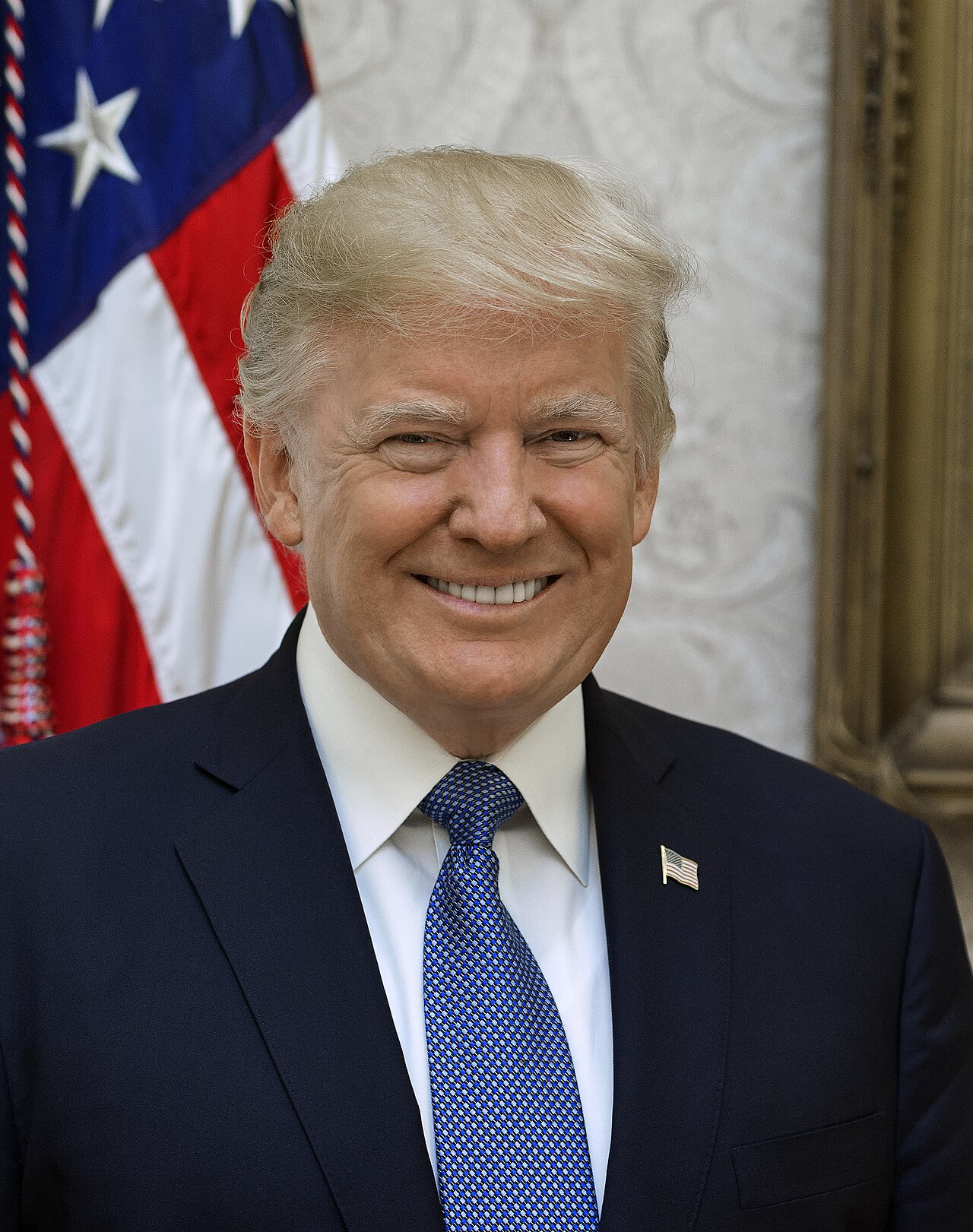
The Trump administration initiated a revised tariff strategy in March 2026, targeting an increase in domestic manufacturing and a reduction in dependence on international supply chains. This policy primarily focuses on goods originating from China and the European Union. The overarching objective is to enhance the competitiveness of American-produced goods by applying elevated tariffs on imported products.
Policy Objectives and Scope
The administration's stated aim for this new tariff regime is to foster job creation within the United States and to bolster the nation's industrial foundation. The strategy is designed to incentivize the production of goods domestically, thereby decreasing reliance on foreign imports across various sectors.
Economic Implications and Sectoral Impact
While the policy is projected to benefit specific domestic industries, it also carries potential economic ramifications. Businesses that rely heavily on imported components or finished goods, as well as consumers, may face increased costs. These cost increases could ripple through the economy, affecting pricing and supply dynamics over the coming years.
Historical Context of Trade Policies
This move follows a historical pattern of administrations utilizing tariffs as a tool for economic policy. Previous U.S. administrations have employed similar measures, often with mixed results, to protect domestic industries or address perceived unfair trade practices. The effectiveness of such strategies in achieving long-term economic growth and job creation remains a subject of ongoing debate among economists and trade experts.
Global Trade Relations and Geopolitical Considerations
The implementation of these tariffs is expected to influence global trade relations, particularly with major economic blocs like the European Union and China. Such policies can lead to retaliatory measures from affected countries, potentially escalating trade disputes and impacting international commerce. The geopolitical landscape often shifts in response to significant changes in trade policy, as nations re-evaluate alliances and economic partnerships.
Outlook for Domestic Industries
Over the next several years, the administration anticipates that this strategic shift will lead to a revitalization of certain American manufacturing sectors. The intended outcome is a more robust and self-sufficient U.S. industrial base, less susceptible to disruptions in global supply chains. However, the extent of this revitalization will depend on various factors, including consumer demand, business investment, and the global economic environment.
Market Response and Future Projections
Market participants will closely monitor the effects of these tariffs on corporate earnings, consumer spending, and inflation. Analysts will assess whether the benefits to domestic industries outweigh the potential costs to other sectors and the broader economy. The long-term success of this strategy will be measured by its ability to sustainably increase domestic production and employment without significantly hindering overall economic growth.
Implications
Country Impact: The United States aims to strengthen its domestic manufacturing base and reduce reliance on foreign supply chains, potentially leading to higher consumer and business costs. Other nations, particularly China and the EU, may face economic pressure and could implement retaliatory trade measures.
Industry Impact: Domestic manufacturing sectors in the U.S. are expected to see a boost in competitiveness and production. Conversely, industries reliant on imports, such as retail and technology, may experience increased operational costs and supply chain disruptions.
Market Impact: Global financial markets could experience volatility due to trade tensions and potential shifts in supply chains. Investors will monitor the impact on corporate profits, inflation rates, and the overall economic growth outlook in major economies.