Midwest Tornadoes Kill Two, Storms Persist Eastward
Severe tornadoes and storms struck the U.S. Midwest and South on March 10, 2026, killing two in Indiana, with threats persisting eastward.
Ayla Demirhan ·
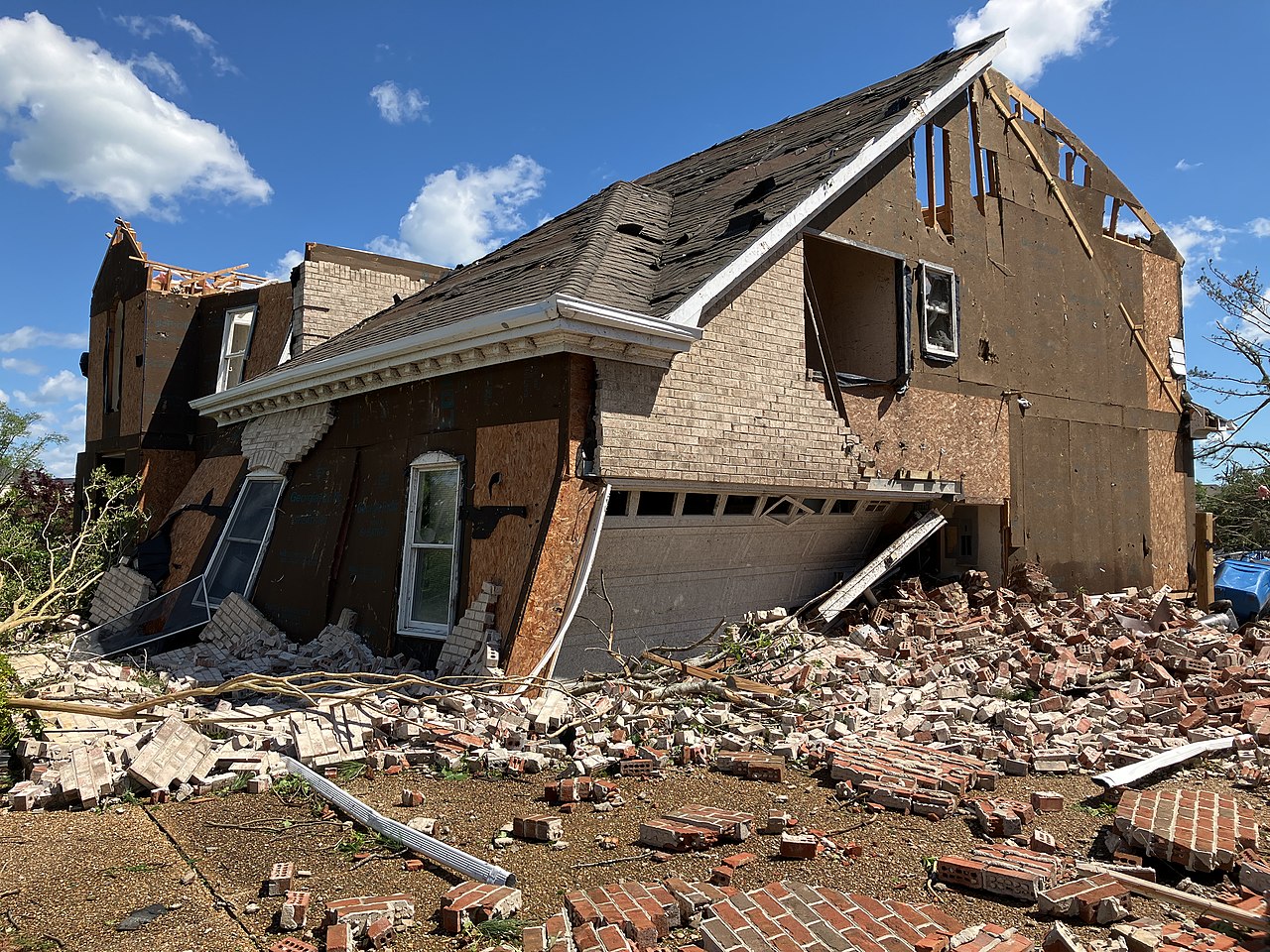
Severe weather, including multiple tornadoes, impacted the U.S. Midwest and South on Tuesday, March 10, 2026, leading to at least two fatalities in Indiana. The National Weather Service (NWS) confirmed several tornado touchdowns across eastern Illinois, with the destructive path extending into neighboring Indiana. Emergency responders in Lake Village, Indiana, reported the deaths after a supercell storm directly struck the area.
Simultaneously, central Texas experienced a separate tornado event in Taylor County. This system brought wind gusts reaching 60 miles per hour and hail described as baseball-sized, indicating the intensity of the atmospheric disturbances.
Widespread Storm Activity Reported
The widespread storm system generated nearly 200 reports of severe weather incidents across a vast 2,500-mile stretch. These events included not only tornadoes but also significant wind damage and large hail, affecting multiple states.
Local infrastructure suffered considerable damage, with numerous trees toppled and power lines downed. This surge in emergencies placed a heavy burden on 911 dispatch services in the affected regions, particularly in Indiana and Illinois.
Government Response and Ongoing Threat
Illinois Governor JB Pritzker confirmed that the state's emergency management agency is actively collaborating with local authorities to coordinate recovery operations. This inter-agency cooperation is crucial for assessing damage and providing aid to affected communities.
Forecasters have issued warnings that the threat of severe weather is expected to continue on Wednesday, March 11, 2026. This ongoing risk encompasses potential tornadoes, damaging winds, and large hail, affecting tens of millions of residents.
Geographic Scope of Impact
The projected path of the storm system indicates a continued eastward movement. Areas from Texas to Michigan are currently under alert, with the system anticipated to reach states further east, including Ohio, Tennessee, and potentially the Washington D.C. metropolitan area, as it progresses towards the Atlantic coast. This broad geographical impact underscores the significant scale of the weather event.
S. are prone to severe weather outbreaks, with the confluence of warm, moist air from the Gulf of Mexico and cooler, drier air from the north creating unstable atmospheric conditions conducive to tornado formation. The current event aligns with typical seasonal patterns, though the intensity and widespread nature are notable. Preparedness measures, including emergency kits and designated safe spaces, are routinely advised by meteorological agencies during such periods.
Economic and Social Implications
The immediate economic implications include property damage, disruption to local businesses, and increased demand on emergency services. For affected communities, the social impact involves displacement, potential injuries, and the psychological toll of experiencing such destructive events. Long-term recovery efforts will require significant resources and coordination across various levels of government and non-profit organizations.
The agricultural sector in the affected regions could also face losses due to crop damage or infrastructure destruction, depending on the specific areas hit.
Implications
Country Impact: The widespread severe weather across the Midwest and South highlights the ongoing challenge of natural disaster preparedness and response in the United States. It places immediate strain on local emergency services and state resources for recovery and aid.
Industry Impact: Industries such as insurance will face increased claims due to property damage, while construction and infrastructure repair sectors may see a surge in demand. Agriculture in affected areas could experience losses from crop and farm infrastructure damage.
Market Impact: While localized, such events can cause temporary disruptions to regional supply chains and economic activity. The broader market impact is typically limited unless critical infrastructure or major industrial hubs are severely affected over an extended period.