Tiger Woods Faces Five-Year Driving Ban Following Legal Ruling
Professional golfer Tiger Woods has received a five-year license suspension and a fine after a legal settlement regarding a vehicle incident in Florida.
Mehmet Şahinoğlu ·
Legal Consequences for Professional Golfer
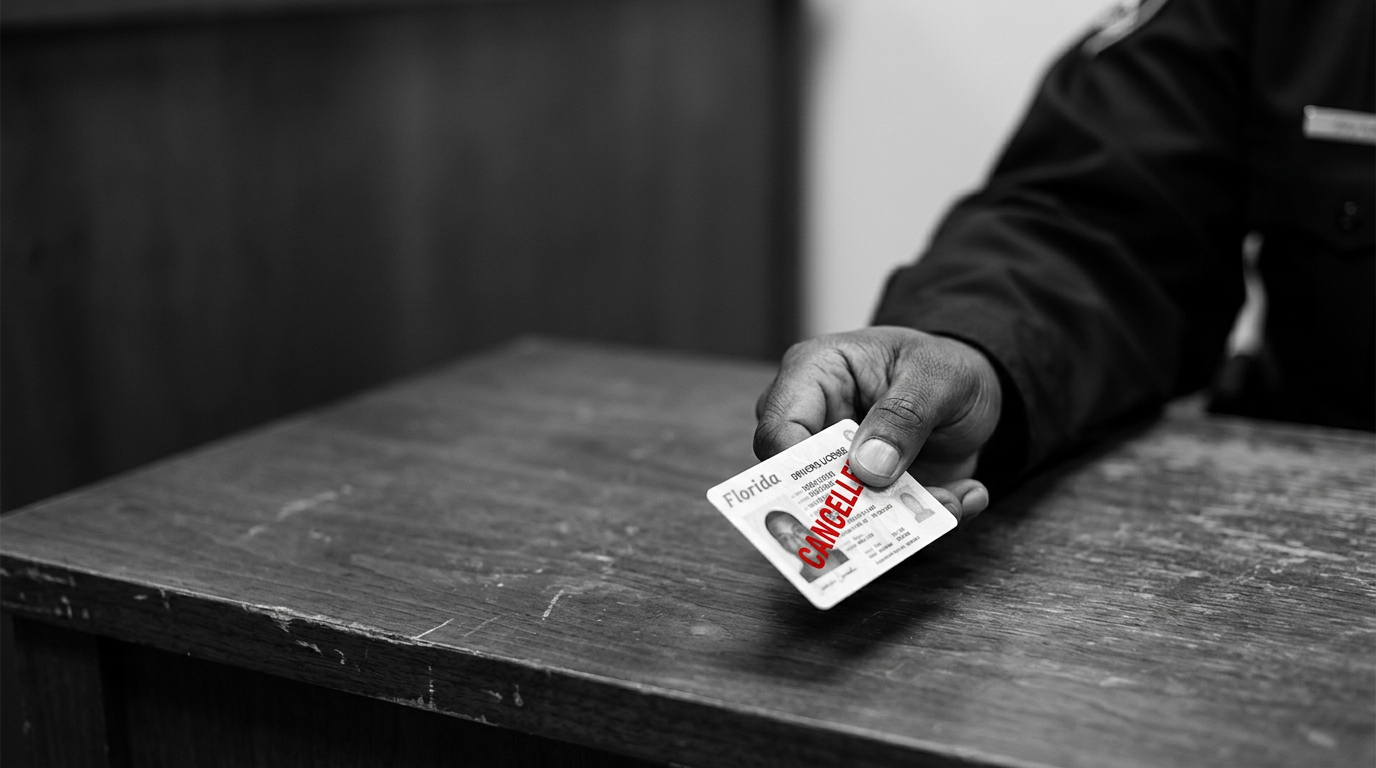
A Florida judicial authority has mandated a five-year revocation of Tiger Woods' driving privileges. Alongside this suspension, the athlete was ordered to pay a financial penalty of $1,000. These measures stem from a vehicular incident where authorities alleged the golfer was operating a motor vehicle under the influence.
Resolution of Charges
During proceedings at the Martin County Courthouse, legal representatives for the athlete reached a settlement with the prosecution. The original charge of operating a vehicle while impaired was downgraded to reckless driving. Despite this reclassification, the court maintained the multi-year prohibition on his ability to operate a vehicle.
Additional legal matters, specifically regarding a refusal to submit to substance testing, were also resolved as part of the agreement. This series of legal events originated following a single-vehicle accident earlier this year that resulted in significant damage to the athlete's car.
Career and Public Impact
Following the March incident, the 15-time major champion announced a hiatus from professional competition. Reports indicate this break was intended to facilitate health recovery and personal wellness. This event follows a separate, severe collision in the Los Angeles area during February 2021, which left the golfer with significant lower-body injuries requiring multiple surgical interventions.
Incidents involving high-profile figures often extend beyond individual legal penalties. Such occurrences frequently draw intense scrutiny, potentially impacting commercial partnerships and public perception. Observers note that these situations highlight the broader consequences of negligent driving within the professional sports community.
Future Outlook and Uncertainties
The long-term effects of this license suspension on the athlete's professional brand remain to be seen. While successful rehabilitation could mitigate reputational damage, the incident serves as a reminder of the intersection between personal conduct and professional standing. Future developments regarding his return to the sport and his ongoing health management will likely remain a focus for the industry.