Rising Tick-Related Emergency Department Visits Impact Public Health Infrastructure
Emergency department visits for tick bites have hit seven-year highs, driven by climate-induced habitat expansion and increased human-tick contact…
Atlas Newsdesk ·
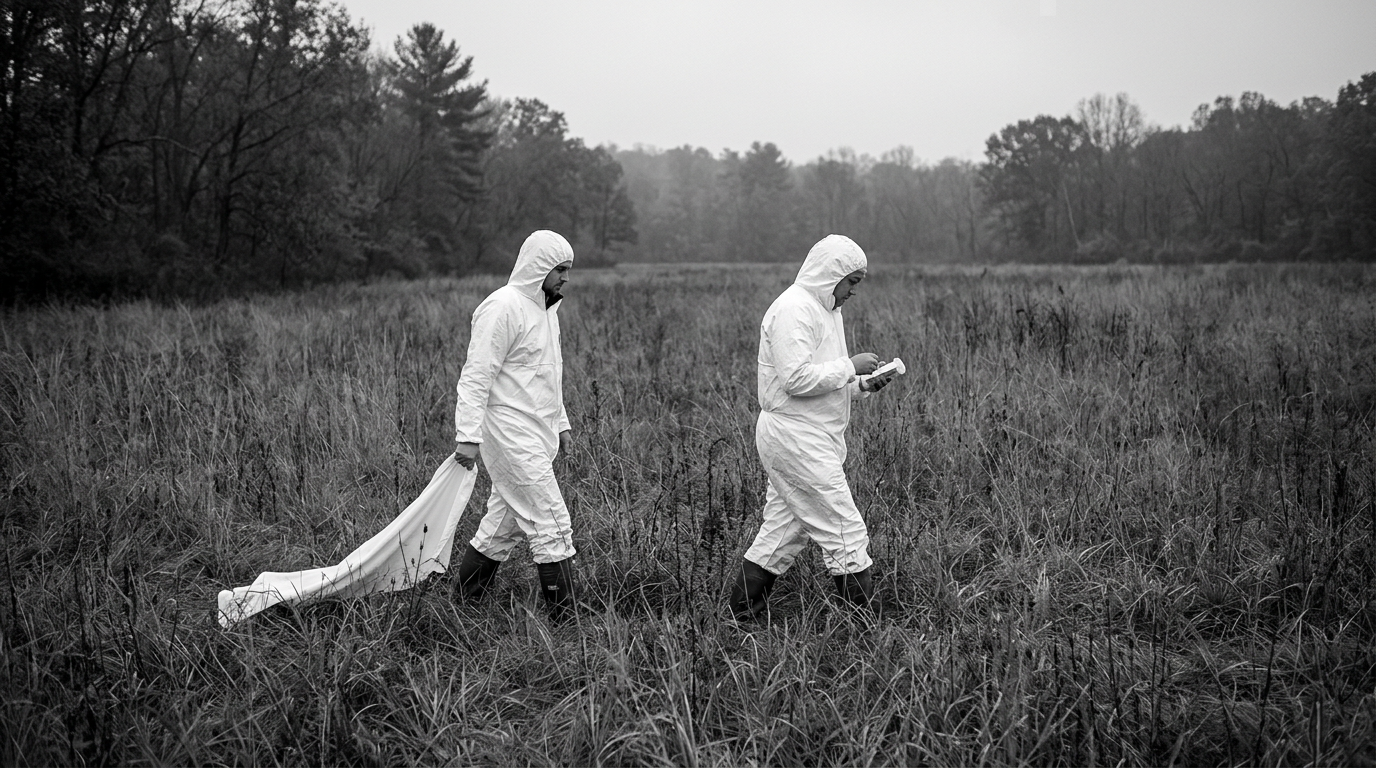
Emergency department visits for tick bites have reached their highest levels since 2017, signaling a significant increase in burden of tick-borne illnesses. The Northeast and Midwest regions are currently experiencing the most substantial volume of patient encounters. This trend necessitates increased clinical readiness in endemic areas to manage the diagnostic and treatment requirements for Lyme disease and other related infections.
Ecological shifts, primarily driven by climate change, have facilitated the northward expansion of tick habitats and improved overwinter survival rates. Milder winters and rising temperatures have extended the active season for tick populations, while suburban encroachment into wooded areas has increased human-tick contact. These environmental factors have effectively transitioned tick exposure risks from rural environments to broader, more populated regions.
Public health officials anticipate that the current trajectory of tick-borne disease will continue to strain emergency medical resources during peak seasonal months. Institutional preparedness should prioritize the early identification of symptoms, such as erythema migrans, to mitigate the long-term health complications associated with delayed treatment. Ongoing monitoring of these trends is essential for regional healthcare resource allocation.