Thousands ordered to evacuate as Hawaii hit by severe flash floods
Thousands evacuated on Oahu, Hawaii, due to severe flash floods and Wahiawā Dam collapse fears, following heavy rainfall.
Ayla Demirhan ·
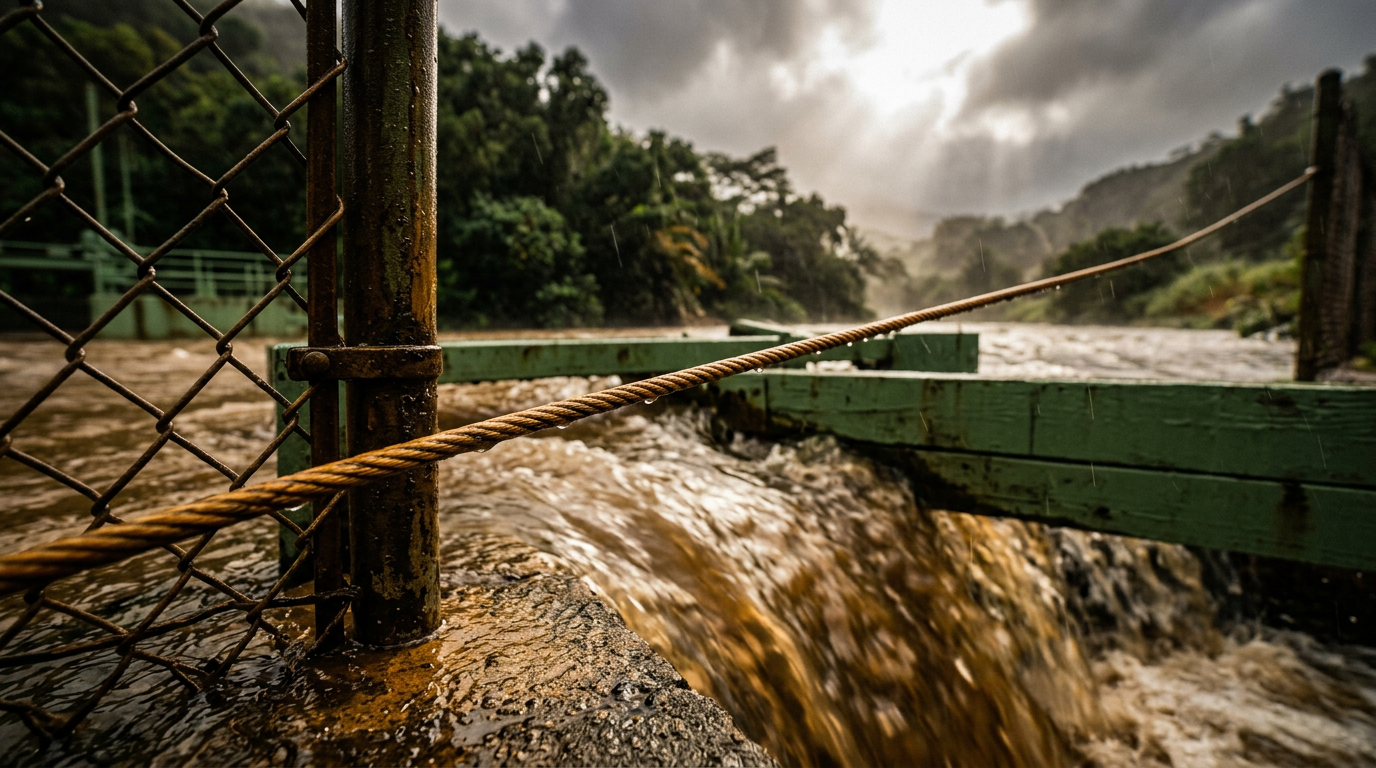
Thousands of residents on Oahu, Hawaii, were ordered to evacuate on Friday following severe flash floods and concerns over a dam's structural integrity. The Wahiawā Dam experienced significant overflow, leading authorities to issue urgent warnings about a potential breach. This situation necessitated immediate evacuation for communities in Waialua and Haleiwa.
Emergency services initiated a "LEAVE NOW" order at 5:35 AM for approximately 4,000 individuals residing in the affected areas. The decision was prompted by water flowing over the Wahiawā Dam's spillway at a rate of 1,500 gallons per second, raising fears of an imminent collapse.
The flooding, which commenced overnight, rendered numerous roads impassable and submerged vehicles, particularly along Oahu's North Shore. This hindered rescue efforts for residents trapped by rising waters. One emergency shelter at Waialua High School lost power and required the relocation of 185 people and 50 pets to an alternative facility.
State Response and Weather Conditions
Governor Josh Green activated the Hawaii National Guard to provide assistance with the ongoing emergency response. The National Weather Service had previously issued a flash-flood warning for northern Oahu, highlighting the widespread and life-threatening nature of the conditions.
This severe weather event followed a multi-day storm system that delivered more than a foot of rain to certain parts of the Hawaiian islands. The intense rainfall significantly contributed to the elevated water levels and the subsequent pressure on the Wahiawā Dam.
Dam Infrastructure and Historical Context
Hawaii manages 132 dams across the state, many of which were originally constructed for agricultural purposes, primarily sugar cane irrigation. The structural integrity of these older dams has been a recurring concern for state officials.
Historically, Hawaii has experienced catastrophic dam failures. A notable incident occurred in 2006 on Kauai, where a dam collapse resulted in seven fatalities. This past event underscores the serious risks associated with dam breaches and informs the current cautious approach by authorities.
Ongoing Monitoring and Safety Measures
Authorities continue to monitor the Wahiawā Dam closely, with engineers assessing its stability. The primary objective remains the safety of the affected communities, and evacuation orders will remain in effect until the immediate threat subsides and structural assessments confirm the dam's integrity. Residents are advised to adhere strictly to official guidance and emergency directives.
Implications
Country Impact: The incident highlights the vulnerability of U.S. infrastructure, particularly older dams, to extreme weather events exacerbated by climate change. Federal and state agencies may face increased pressure to invest in dam maintenance and upgrades.
Industry Impact: The tourism industry in Hawaii, a major economic driver, could experience short-term disruptions due to emergency declarations and infrastructure damage. Insurance companies may see a rise in claims related to flood and property damage.
Market Impact: Local real estate markets in affected areas could see temporary declines in property values or increased insurance premiums. State and municipal bond markets might reflect increased borrowing for disaster relief and infrastructure repair.