This week on Capitol Hill: 'Ballroom fight' and Warsh confirmation on the Senate calendar
A Capitol Hill preview lists a Senate confirmation vote for Warsh and a related "ballroom fight" item on this week's agenda, alongside routine committee…
Sophie McAlister ·
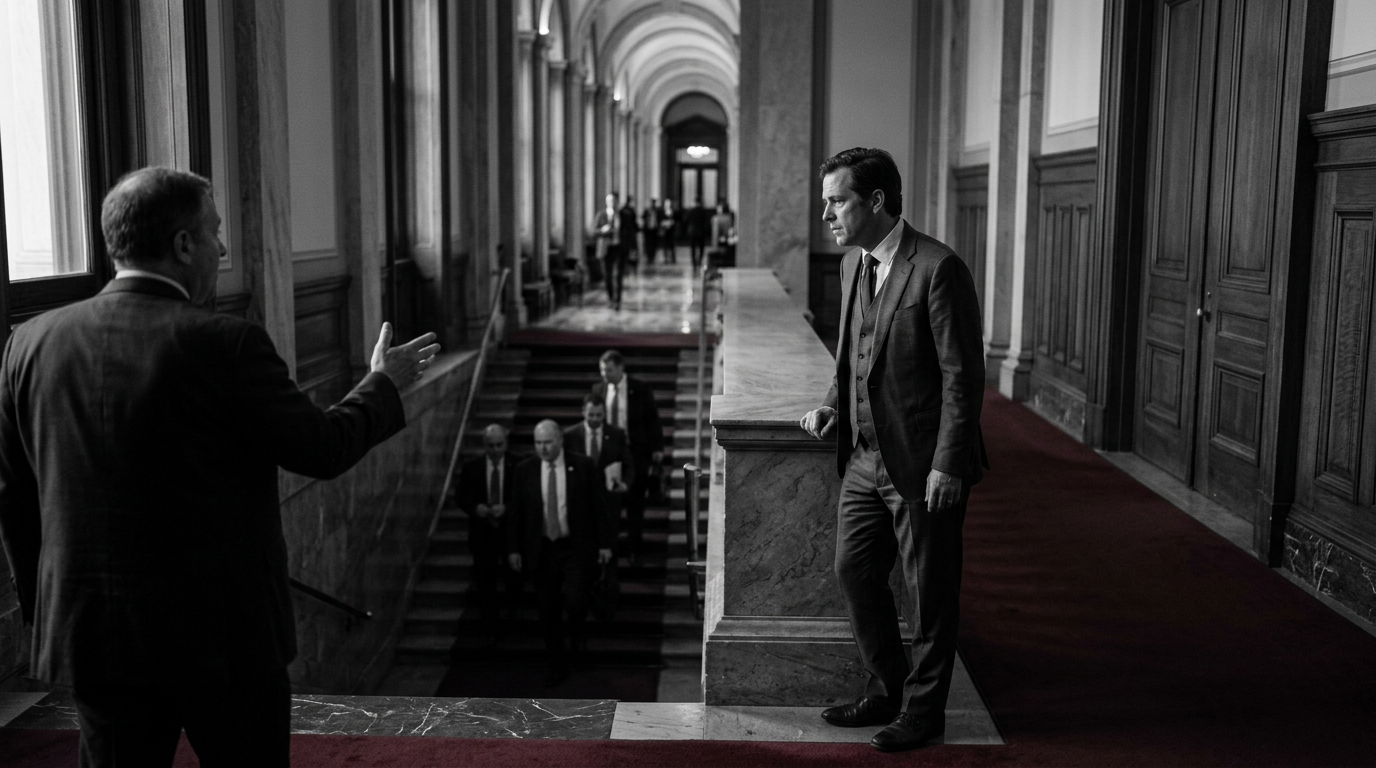
This week the Senate's schedule includes a confirmation vote for a nominee identified as Warsh and a separate agenda item described as a "ballroom fight," according to a Capitol Hill preview published this week. Lawmakers and staff are expected to navigate both the confirmation and several other procedural and policy items on the floor and in committee over the coming days.
The confirmation vote for Warsh is slated for the Senate calendar this week, placing a nominee before senators for a final up-or-down decision. Confirmation votes can be decisive for the administration's staffing and for agency leadership that shapes regulatory priorities. The preview lists the vote among other planned business that will occupy the chamber.
Also on the list is an item framed as a "ballroom fight," a shorthand appearing in the calendar for a dispute or contested scheduling matter tied to a high-profile event or hearing. The phrase signals an atypical scheduling conflict that could produce public attention or procedural wrangling on the floor. Details on participants or the event tied to that description were not specified in the calendar notice.
What else is on the docket
Beyond those two highlighted entries, the week's agenda follows the typical mix of committee hearings, nominations, and floor votes that dominate the Senate's schedule. Members are likely to consider appropriations-related measures, nominations for other posts, and possible motions tied to procedural questions. The precise timing of votes and hearings can shift as leaders manage floor time and negotiate outcomes.
Senate scheduling is often fluid: leadership assigns priorities while balancing individual senators' requests, short-term crises, and procedural holds. That means items listed early in the week can move or be delayed, and outside developments — from foreign policy events to late-breaking negotiations — can reshape the calendar quickly.
What this means for Washington observers
For reporters, policy staffers, and lobbyists in the Washington area, the week's calendar frames who will be visible and which issues will surface publicly. A confirmation vote draws attention from advocacy groups and agency stakeholders tracking leadership roles, while a prominent scheduling dispute can become a focal point for media coverage and floor debate.
Local think tanks, law firms, and trade associations that monitor personnel and legislative shifts will be watching the outcome of the Warsh vote and any public fallout from the so-called ballroom fight. The timing of votes also affects when amendments or related measures may be debated, which in turn shapes short-term policy forecasting.
Expect staff-level briefings, floor speeches, and possible procedural filings tied to both the nomination and the scheduling dispute as lawmakers position themselves ahead of votes.
Looking ahead, the Senate's calendar will likely update as leaders finalize timings and as individual senators signal their positions; readers should check the official daily calendar and follow floor action closely for any last-minute changes.