DC Courts' Civil Actions Branch outlines civil filing procedures for residents and lawyers
The District of Columbia Courts' Civil Actions Branch webpage provides official guidance on filing civil cases in DC, listing procedures, forms, fees and c…
Sophie McAlister ·
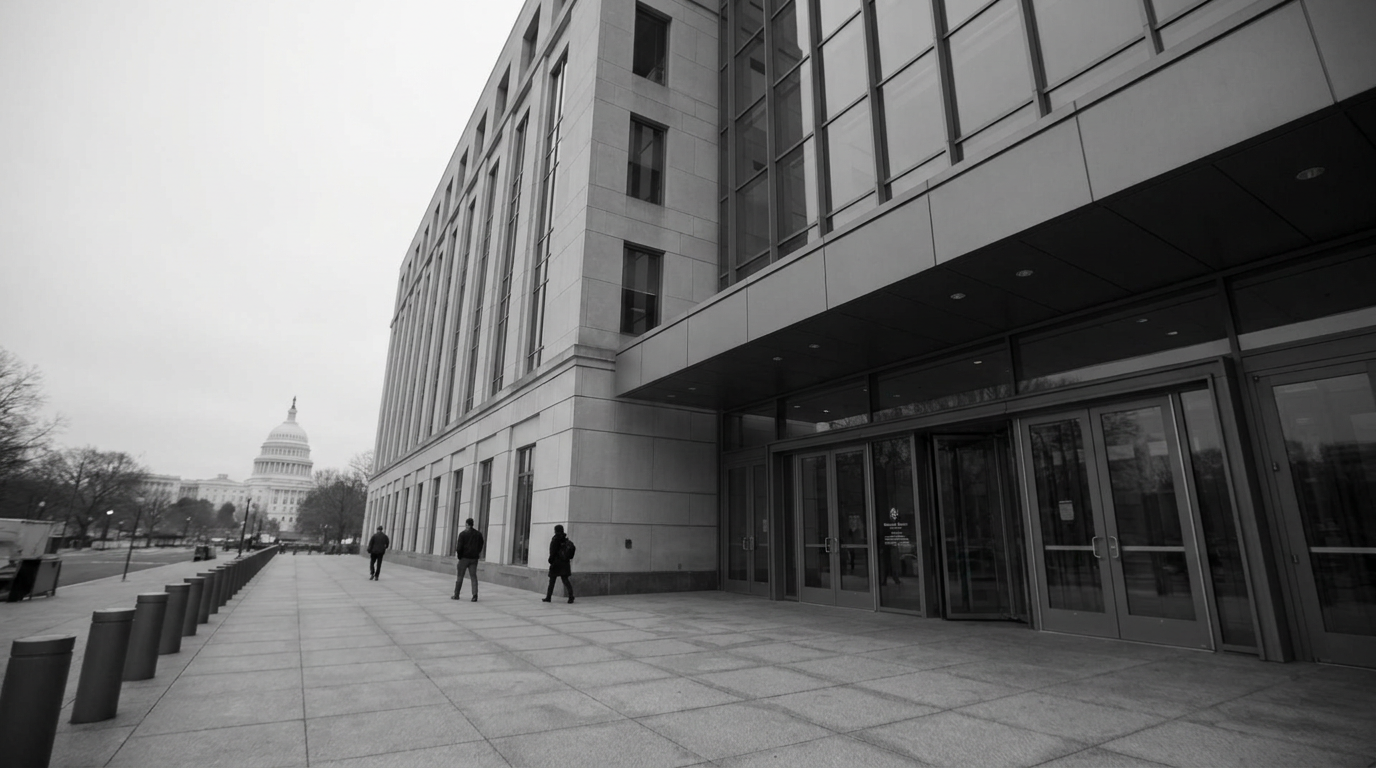
The District of Columbia Courts' Civil Actions Branch maintains the office that handles civil-case filings in Washington, D.C., and its public webpage consolidates information for residents, attorneys and local businesses. The page explains the steps for starting or responding to civil actions, points to required documents and gives practical contact information for the branch. The material is published on the official court website and is intended as the primary public resource for civil-case administrative rules in the District.
The Civil Actions Branch page presents an overview of court procedures relevant to civil litigation, including how to file initial complaints, pleadings and related documents. It directs users to the forms and instructions necessary to proceed in civil court and summarizes filing requirements that affect case intake. The page also lists how to obtain fee schedules and where to submit payment, and it identifies contact channels for further help from court staff.
Court administrators use the page to reduce confusion at intake and to steer filers toward the correct processes and paperwork. For attorneys and repeat filers, the Civil Actions Branch provides procedural clarifications that can speed case processing and reduce administrative delays. For self-represented litigants, the page centralizes basic directions and references to forms that are often required at the start of a case.
Services and resources on the page
The webpage consolidates key administrative resources: descriptions of case types processed by the branch, links or references to the standard forms needed for civil filings, and explanations of procedural steps such as service, filing, and docketing. It also notes the branch’s role in receiving documents and handling payment of civil filing fees. Where applicable, the page points users to additional court offices and online tools that support case management and records access.
Because filing procedures and fee structures can affect litigation strategy and access to justice, clear public guidance from the Civil Actions Branch plays a practical role for legal practitioners and nonlawyers alike. Accurate administrative instructions reduce the risk of rejected filings or missed deadlines, which can have substantive effects on case outcomes.
Impact on local users and legal workflow
District residents, small businesses, and nonprofit organizations that pursue civil claims or defend against them interact with the Civil Actions Branch at the start of formal court processes. Local law firms rely on consistent intake procedures to process high volumes of filings, while pro se litigants depend on published guidance to meet formal requirements. The branch’s public information therefore serves both efficiency and fairness goals in the local justice system.
Legal-service providers and community organizations that help pro se litigants often use the Civil Actions Branch page as a reference when advising clients. That helps reduce miscues at filing and improves the chance that cases proceed on their merits rather than on procedural technicalities.
Watch for updates to the branch’s online guidance and any notices the court posts about changes to forms, fee schedules, or filing channels. Such updates can affect how quickly cases move through the system and whether filers must adjust processes or budgets to comply with new requirements.