New Plastic Prototype Targets Microplastics With Enzymes
A plant-based biodegradable plastic prototype releases enzymes to break down microplastics, decomposes in two weeks, and won $12,500 to scale.
Atlas Newsdesk ·
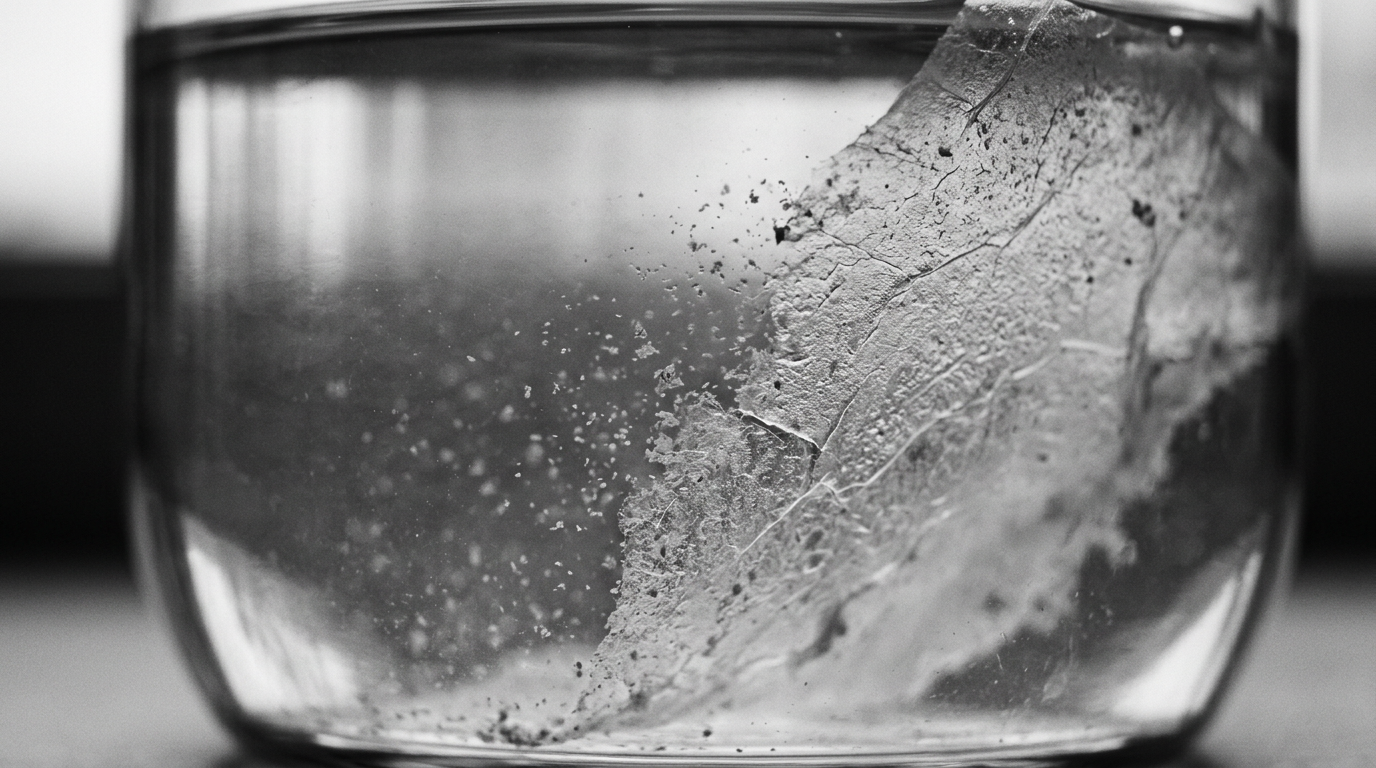
A plant-based, biodegradable plastic prototype has been developed with a built-in function designed to tackle existing microplastics in the environment. Developers say the material is engineered to release enzymes after disposal, allowing it to contribute to the breakdown of microplastics in both soil and water settings.
The prototype is also intended to decompose quickly once discarded. According to the project description, the material is designed to break down within two weeks of disposal, positioning it as a short-life plastic alternative with an added environmental-cleanup mechanism rather than a product that simply disappears.
How the material is designed to work
The core concept combines biodegradability with biotechnology. Instead of focusing only on reducing the future accumulation of plastic waste, the prototype is described as releasing enzymes that actively degrade microplastics already present in the surrounding environment.
Project materials link the motivation for the approach to the persistence of microplastics and their association with environmental contamination and systemic health risks. The stated aim is to introduce a disposal pathway where a material not only breaks down, but also supports remediation in the area where it is discarded.
Recognition and early-stage funding
The technology recently secured a regional award in a global environmental competition. That recognition includes $12,500 in funding intended to support continued development.
Developers have presented the award as a step toward moving beyond a laboratory prototype. However, no timeline was provided for when the technology could transition into commercial or institutional use.
Scaling remains the central obstacle
While the prototype concept targets a widely cited pollution problem, scaling production is identified as the main challenge. The project notes that the enzymes required for the microplastic-degradation function are expensive and not widely available, creating a cost and supply constraint for any larger rollout.
Current development work is focused on optimizing production methods to improve cost-efficiency and feasibility. The, as described by the project, is to make the material viable for broader application without relying on enzyme inputs that are too costly or difficult to source at scale.
What adoption depends on next
Future institutional adoption is expected to hinge on whether the material can move from a laboratory prototype to industrial-scale manufacturing. That step would require demonstrating that production can be repeated reliably and affordably, while maintaining the material’s intended two-week decomposition profile and enzyme-release performance.
Until that transition is achieved, the project’s outlook remains tied to development outcomes rather than deployment. The next phase will center on proving that the approach can be manufactured at scale under real-world constraints, without losing the environmental functions that define the prototype.