Thieves Plunder Priceless Bronze Age Gold from Spanish Museum
Invaluable Bronze Age gold artifacts were stolen from the Museum of Villena in Alicante, Spain, in a swift, professional heist on Thursday morning.
Ayla Demirhan ·
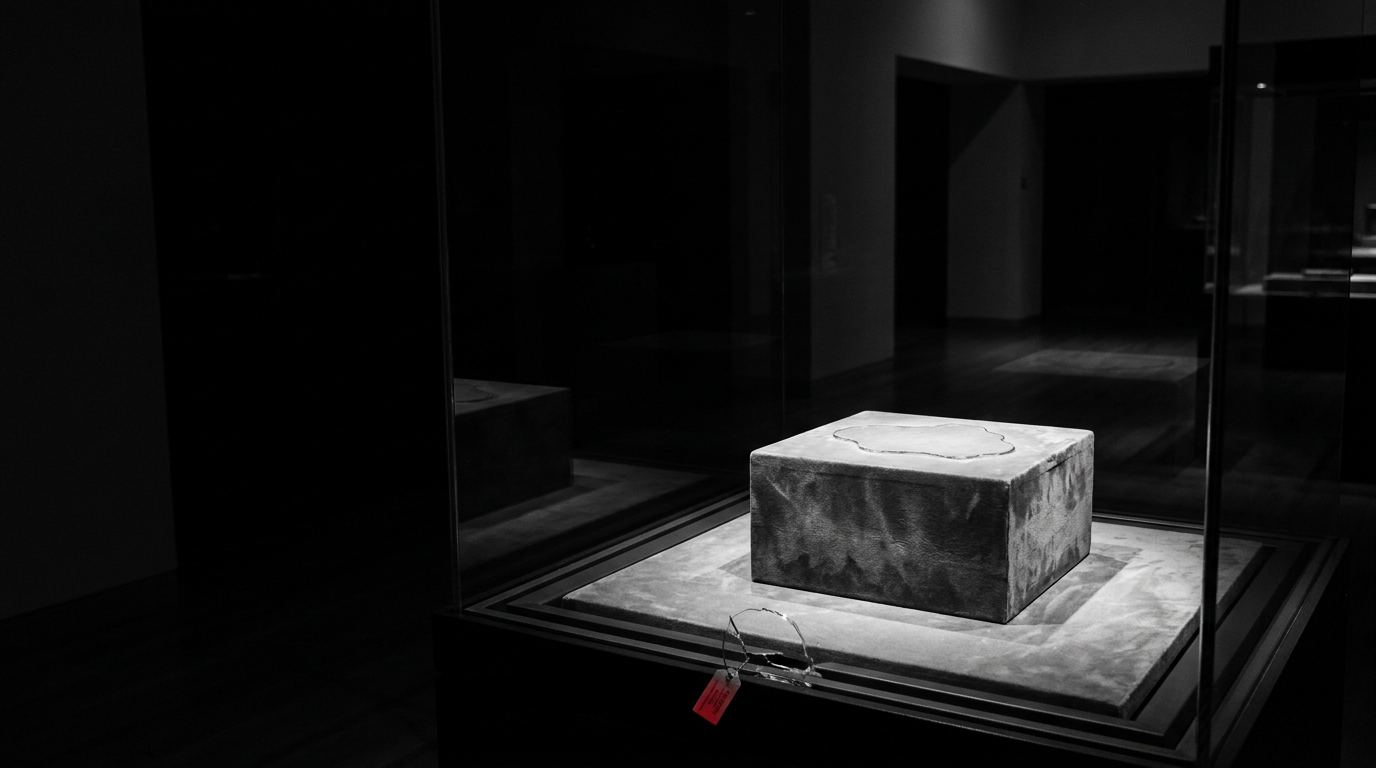
Highly valuable Bronze Age gold artifacts were stolen from the Museum of Villena in Alicante, Spain, during a rapid operation by thieves on Thursday morning. The perpetrators entered and exited the facility within a four-minute window, taking an unspecified number of items from the significant Treasure of Villena collection.
This incident, confirmed by local authorities, occurred at approximately 5:20 a.m., with the individuals departing by 5:24 a.m. Officials described the theft as meticulously planned and professionally executed.
Despite the swiftness of the crime, museum security systems were reportedly fully operational throughout the brief period of the incident. This heist contributes to growing concerns regarding the security of cultural institutions across Europe, which are increasingly facing sophisticated criminal operations targeting high-value artifacts.
Investigation Underway
Investigators are actively probing the circumstances surrounding the theft. A crucial aspect of their inquiry focuses on an alarm that was triggered at a nearby sports center just minutes before the museum raid. Authorities are currently evaluating whether this separate incident served as a deliberate diversionary tactic, designed to draw attention away from the primary target at the museum.
The stolen collection, known as the Treasure of Villena, holds immense archaeological significance. Discovered in 1963, it comprises more than 50 pieces, with its origins dating back to approximately 1,000 BC. The full inventory includes 29 gold bracelets, 11 gold bowls, and various artifacts crafted from silver and amber. While the precise items stolen are still being determined, their loss represents a potentially significant blow to Spain's rich cultural heritage.
Broader Security Concerns
This incident underscores persistent security vulnerabilities confronting cultural institutions throughout Europe. It follows a series of other high-profile museum robberies that have raised alarm among heritage custodians globally. Prior thefts have included jewelry valued at $102 million from the Louvre in October and the recent disappearance of Renaissance artworks from a museum in Sicily.
Museums, particularly those housing ancient artifacts, increasingly contend with sophisticated criminal organizations employing advanced techniques for illicit acquisition. The global market for stolen antiquities continues to pose a formidable challenge, frequently serving as a funding source for organized crime and depriving the public of access to shared human history.
Experts often suggest that such thefts involve pre-arranged buyers, which significantly complicates recovery efforts. The Villena Museum theft highlights an urgent need for enhanced protective measures and greater international cooperation to safeguard cultural treasures against evolving criminal threats and preserve them for future generations.
The Treasure of Villena: A Historical Context The Treasure of Villena is one of Europe's most significant collections of Bronze Age gold. Its discovery in 1963 near Villena, a municipality in the province of Alicante, provided invaluable insights into the metalworking skills and societal structures of the region's prehistoric inhabitants. The intricate craftsmanship of the gold bracelets and bowls, alongside items made from silver and amber, speaks to advanced metallurgical techniques and extensive trade networks in the Iberian Peninsula during the late Bronze Age.
The collection's historical context places it within a period of significant cultural development in the Mediterranean basin. Such artifacts are not merely decorative but serve as primary sources for understanding ancient economies, hierarchies, and artistic expressions. Their public display in museums like Villena provides a vital connection to the past, enabling both research and public education.
Global Implications for Heritage Protection
The theft at the Museum of Villena resonates beyond Spain's borders, raising questions about the efficacy of current security protocols in cultural institutions worldwide. The incident underscores the global interconnectedness of the illicit art and antiquities market.
Organized crime networks increasingly leverage international channels for smuggling and sale, making recovery a complex, multinational endeavor. Calls for improved international cooperation among law enforcement agencies and heritage protection organizations are likely to intensify, aiming to disrupt these networks and repatriate stolen cultural property.
The potential for such artifacts to disappear into private collections or black markets highlights the urgency of preventative measures and robust recovery strategies.