Marseille Faces Strain from Tourism Surge, Public Services Overwhelmed
Marseille is struggling to manage a surge in tourist numbers, which is straining public services, environmental resources, and local quality of life.
Atlas Newsdesk ·
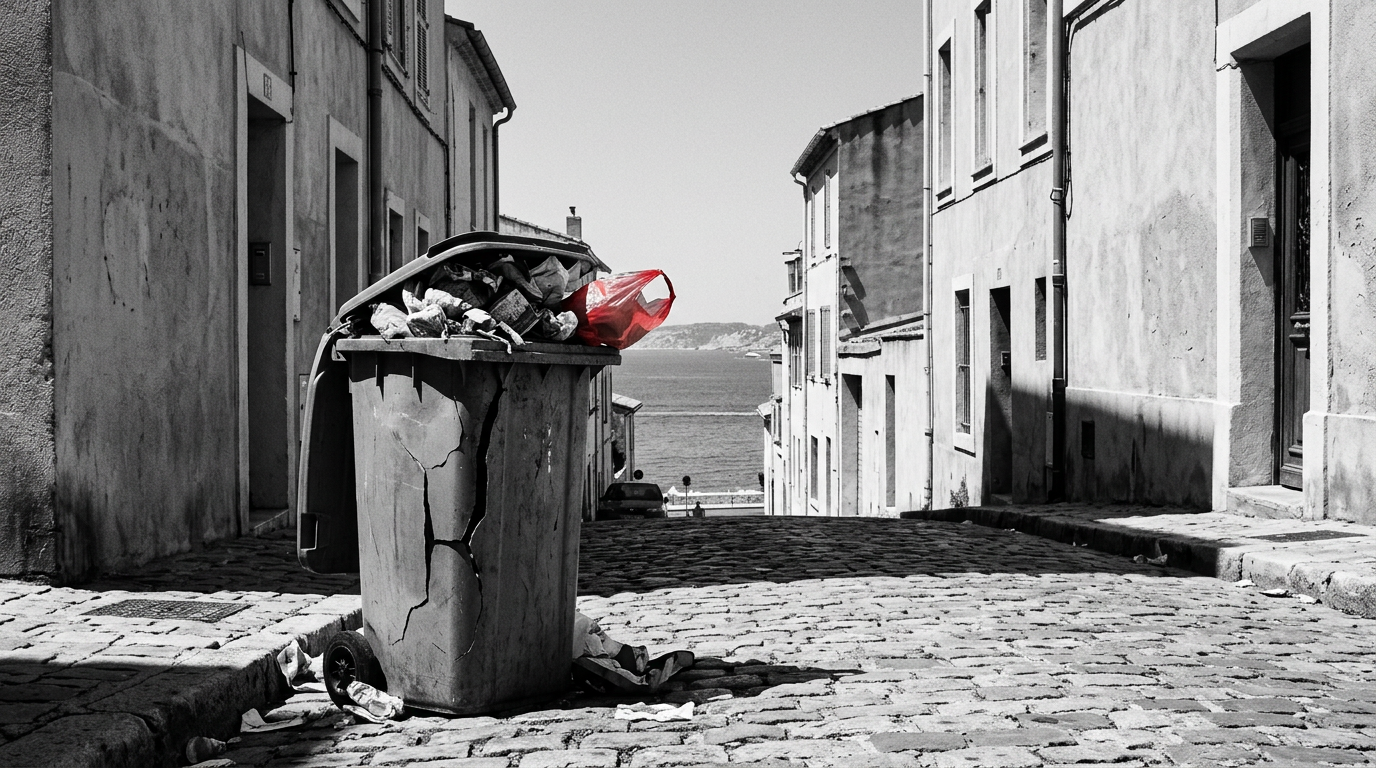
The city of Marseille is experiencing significant stress on its urban infrastructure and social cohesion as it contends with an unprecedented rise in tourist arrivals. Projections indicate the southern French city could host up to seven million visitors annually, a volume that is placing considerable pressure on its public services and environmental assets.
While this influx is estimated to generate 1.4 billion euros in annual revenue and sustain over 20,000 local jobs, its rapid expansion has outpaced the municipality's capacity for sustainable management. Recent reports highlight Marseille's increasing popularity, identifying it as the most-searched destination for French travelers, surpassing major cities like Paris and Nice. This growth has led to clear deficiencies in public services and environmental degradation, according to local officials.
Public Services Under Pressure
Essential services within Marseille, including its public transportation network and waste management operations, are encountering escalating demands. The sheer volume of visitors during peak seasons contributes to significant operational challenges. For instance, reports cite temporary closures of certain beaches due to bacterial contamination, a problem directly linked to higher population densities and highlighting sustainability issues within the city's current tourism framework.
Beyond infrastructure, the substantial increase in visitor numbers has also generated social friction among Marseille's permanent residents. Local inhabitants have voiced complaints regarding severe overcrowding, persistent noise disturbances, and the widespread proliferation of short-term rental platforms. This growing discontent suggests that the economic advantages of tourism are, for many, being overshadowed by a noticeable decline in urban quality of life, affecting daily routines and community well-being.
Regulatory Measures and Future Outlook
In response to these mounting external pressures, the municipal government has implemented several restrictive measures. These include stricter regulations on short-term rental properties, aimed at curbing their expansion and mitigating their impact on local housing markets. Additionally, visitor quotas have been established for protected maritime zones to safeguard delicate ecosystems from overuse and potential degradation.
These governmental interventions are designed to address risks such as gentrification and potential social instability. They also seek to achieve a crucial balance between the economic benefits derived from tourism and the preservation of urban livability. Historically, Marseille has always served as an important port city with some level of tourism, though never on the scale observed today.
The recent boost in the city's appeal is attributed to various factors, including strategic cultural investments, enhanced infrastructure, and a growing international profile. However, without a comprehensive strategy for sustainable development, urban planners warn that Marseille risks undermining the very attributes that initially attract visitors, potentially jeopardizing its cultural heritage and environmental health in the long term.