There's Only One DC: What Makes the District Unique, According to Washington.org
Discover Washington, DC, where iconic national monuments and museums blend seamlessly with vibrant, unique local neighborhoods.
Sophie McAlister ·
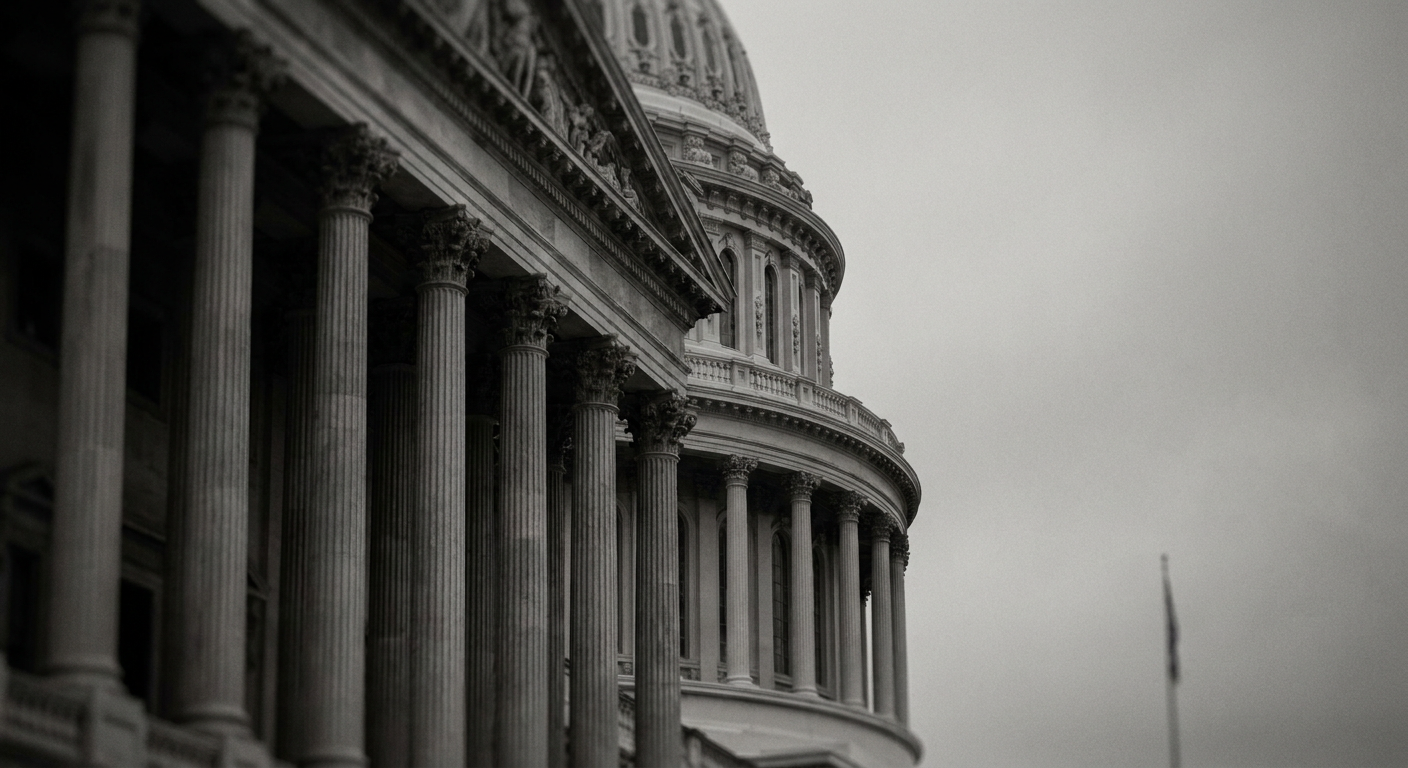
Washington.org, the official tourism site for the District of Columbia, recently published a feature titled "There's Only One DC" that frames the city as a unique combination of national institutions and vibrant local neighborhoods. The piece highlights the interplay between the federal landmarks that draw millions of visitors and the neighborhoods, restaurants and cultural venues that define daily civic life across the District.
The article underscores that Washington’s identity is built on both its role as the nation’s capital and on distinct neighborhood character. It points to the concentration of federal monuments, memorials and museums on the National Mall and nearby corridors as a pull for domestic and international tourism. At the same time, Washington.org emphasizes the city’s residential neighborhoods — from waterfront redevelopment to historic commercial strips — where residents and visitors encounter food, nightlife and arts scenes that differ block by block.
Monuments, museums and the Mall remain a central draw
The District’s museums and cultural institutions are central to its reputation. Many Smithsonian museums on the National Mall offer free admission, making them accessible to a wide audience and anchoring tourism patterns. The Mall’s monuments and memorials create an iconic public landscape that channels large numbers of annual visitors and organized events.
Neighborhood life and local culture shape everyday DC
Beyond the federal core, the piece highlights how neighborhoods provide the city’s texture: independent restaurants, markets, performance venues and local festivals shape residents’ daily experiences. Waterfront redevelopments, mixed-use corridors and historic districts have changed where people live, work and socialize, and they form the backbone of DC’s hospitality and small-business ecosystem.
Washington.org’s framing emphasizes the city’s dual role: a global political center and a living, evolving metropolitan area. That duality influences tourism strategy, public-space management and economic development efforts across the District. It also shapes communications about the city to potential visitors, meeting planners and local stakeholders.
How the message guides civic and tourism strategy
Messaging that promotes both national landmarks and neighborhood culture signals priorities for the city’s tourism and business communities. It suggests continued investment in maintenance of iconic public spaces, support for small businesses that attract repeat visitors, and coordination between cultural institutions and local economic-development efforts.
Washington.org’s feature serves as a reminder that narratives about place matter for marketing, planning and neighborhood preservation in the District. As the city balances visitor needs with residents’ quality of life, that framing will inform policy choices and private-sector investments.
Watch for how the District’s tourism officials and local business groups respond to visitor patterns and neighborhood feedback in the year ahead.