Where to Shop in Washington: Georgetown, Union Market, The Wharf and More
Explore the best shopping neighborhoods in Washington, D.C., from Georgetown boutiques and CityCenterDC luxury to local markets. Plan your trip today.
Sophie McAlister ·
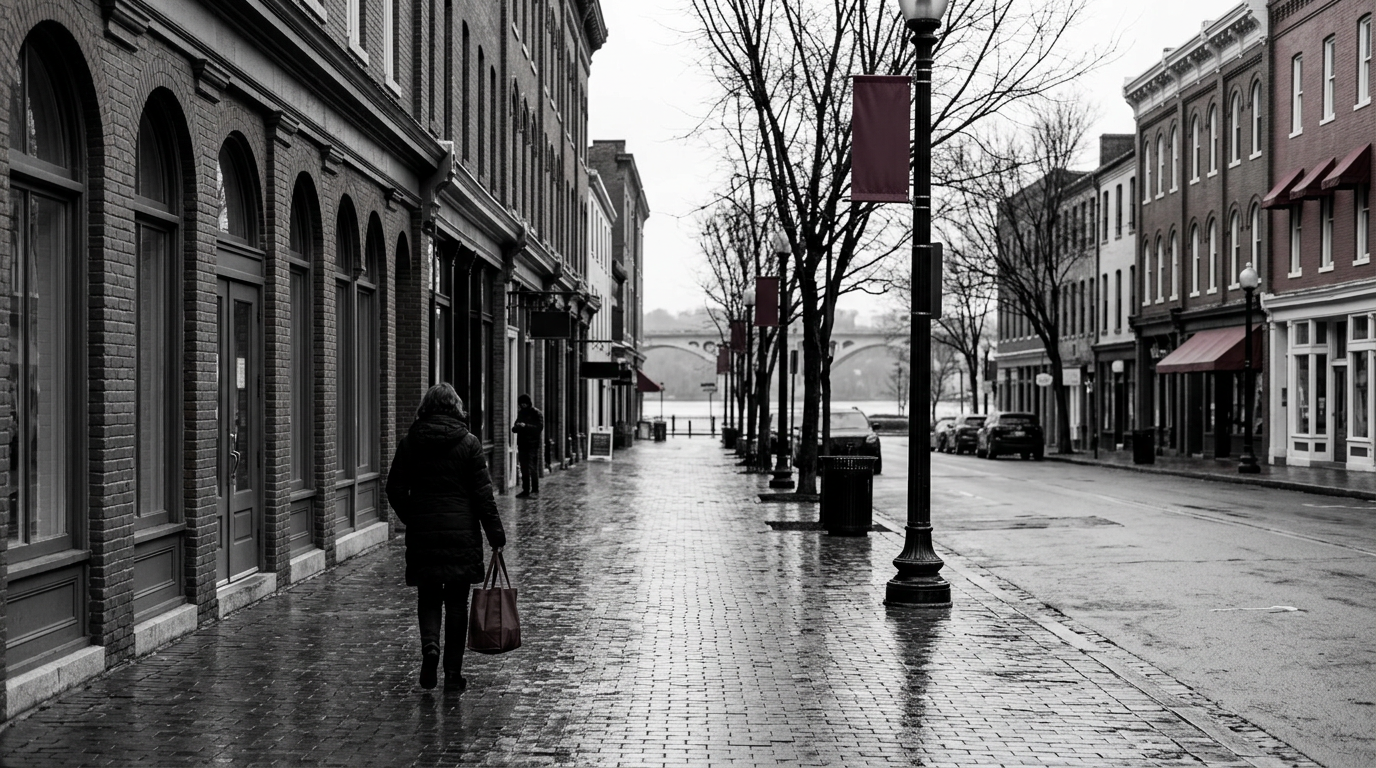
Washington.org published a guide highlighting the top places to shop in and around Washington, D.C., calling attention to a mix of neighborhood markets, waterfront retail, luxury centers and independent boutiques. The guide points readers to well-known corridors such as Georgetown and CityCenterDC, markets that showcase local makers like Union Market and Eastern Market, and newer waterfront and downtown shopping hubs like The Wharf.
The piece emphasizes shopping as a neighborhood experience across the city and adjacent areas, not just a checklist of stores. It frames each destination by what shoppers can expect: Georgetown for historic streets and independent boutiques; CityCenterDC for flagship luxury brands and outdoor plazas; Union Market for casual food stalls and artisanal goods; Eastern Market for weekend vendors and local produce; and The Wharf for waterfront dining paired with shops.
Neighborhood retail: what each district offers
Georgetown’s cobblestone streets and small storefronts make it a durable draw for upscale window-shopping and specialty home and fashion stores. Several independent retailers and national brands coexist along its main corridors, offering a mix that attracts tourists and longtime residents. CityCenterDC, near downtown, concentrates higher-end national names and designer boutiques in an open-air complex that doubles as a public plaza.
Markets around the city inject a different, community-oriented shopping dynamic. Union Market in Northeast aggregates dozens of vendors selling prepared food, specialty groceries, and designer goods from local entrepreneurs. Eastern Market on Capitol Hill remains a weekend anchor for farmers, artists and craft vendors, often cited for its role supporting neighborhood small businesses.
Waterfront and downtown options
The Wharf along the Southwest Waterfront combines waterfront views with retail and dining, presenting a pedestrian-friendly strip for shoppers and visitors. Downtown and Penn Quarter retail clusters offer convenience shopping near museums, theaters and federal offices, serving both the commuter crowd and cultural tourists.
The guide also points to nearby suburban options for shoppers willing to travel outside the city for outlet-style shopping and larger malls, noting that the region’s diversity of retail formats—from small maker stalls to luxury centers—means different experiences across neighborhoods.
For Washington residents and visitors, the guide functions as a practical map to neighborhood commerce and local economies, emphasizing where to find independent makers, produce markets and experience-driven retail in the District.
Look for seasonal market calendars and special district events that can change what’s open or featured at any given week; shoppers should check individual market or center websites before visiting.