

Volvo EX30 discontinued in US after 2026 model year
Volvo will discontinue its EX30 electric vehicle in the U.S. after the 2026 model year, following tariff issues and market challenges.
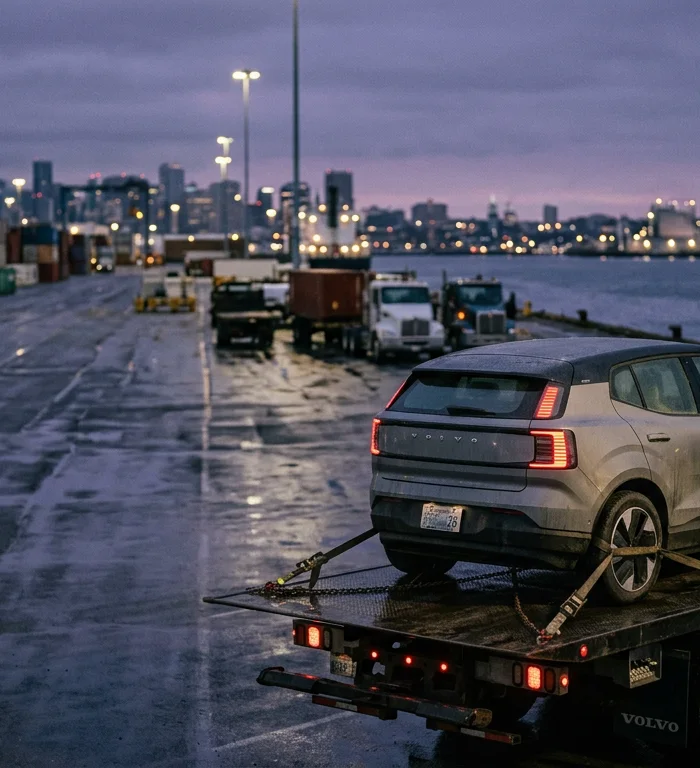
Volvo has confirmed the discontinuation of its EX30 electric vehicle from the United States market, effective after the 2026 model year. This decision follows a series of operational and market challenges for the compact EV, which was initially positioned as an affordable entry into the electric vehicle segment.
Initially, the EX30 faced significant hurdles, including a 100% U.S. tariff on electric vehicles manufactured in China. This tariff necessitated a strategic shift in production plans, moving manufacturing to Europe to circumvent the import duties. Despite these adjustments, the vehicle encountered further difficulties.
Production and Market Challenges
Further complicating its market viability, the EX30 experienced a battery recall. These factors collectively contributed to a challenging market reception for the vehicle in the U.S. The discontinuation of the EX30 and its Cross Country variant reflects a broader re-evaluation of EV strategies by manufacturers in the American market.
Broader EV Market Trends
Despite the EX30's withdrawal, Volvo is not exiting the electric vehicle market entirely. The company plans to proceed with the introduction of its larger electric models, the EX90 and EX60. This indicates a strategic realignment of its EV portfolio, focusing on different segments of the electric vehicle market rather than a complete departure.
Strategic Realignment for Volvo
The shift towards the EX90 and EX60 suggests Volvo is focusing on higher-margin vehicles and potentially a different customer base in the U.S. market. This strategic pivot aims to leverage its brand reputation for safety and luxury in the electric vehicle space, adapting to the dynamic demands and regulatory environment of the American automotive landscape.
Implications
Country Impact: The U.S. automotive market sees continued adjustments in EV offerings, reflecting challenges like tariffs and consumer preferences. This could lead to a more consolidated EV market with fewer entry-level options.
Industry Impact: The electric vehicle industry is undergoing a period of strategic recalibration, with manufacturers re-evaluating product portfolios, production locations, and pricing strategies to adapt to market demands and regulatory environments.
Market Impact: For Volvo, this decision indicates a focus on higher-margin, larger EV models (EX90, EX60) in the U.S., potentially shifting its competitive strategy towards premium segments rather than compact, entry-level EVs. This could impact investor perception of its EV growth trajectory.
More stories
- Europe faces attribution gap after 16 cyber, physical incidents
- PIF backs Grand Theft Auto as Saudi players embrace game
- Signal limits screenshots to curb AI access to messages
- Cognition runs Devin Mac workspaces on EC2 in 6 AWS regions
- Salesforce engineers cut 600-failure triage to 90 minutes
- Türkiye Desk: GTA 6 puts console access and network demand in focus
- Harvard Astronomer Avi Loeb Thinks a Strange Cylinder on Mars Deserves Another Loo
Latest news
- Macy’s parade faces balloon limits as storm winds approach
- COP31 climate talks collapse over fossil fuels and funds
- Highly diversified investors report 91% confidence in retirement
- Russian military faces 1,087 recorded suicides in Ukraine war
- US faces China, Russia in Africa minerals contest
- Russian war deaths top 460,000, Guardian says
- Nvidia board gets Trump input on Jensen Huang return as CEO
- Rwanda faces budget strain from 85% electricity access push