Israel's Missile Strikes Redefine Air Warfare
Israel's new missile strike capability, demonstrated in Qatar and Iran, redefines air warfare by bypassing traditional air defenses.
Lauren Collins ·
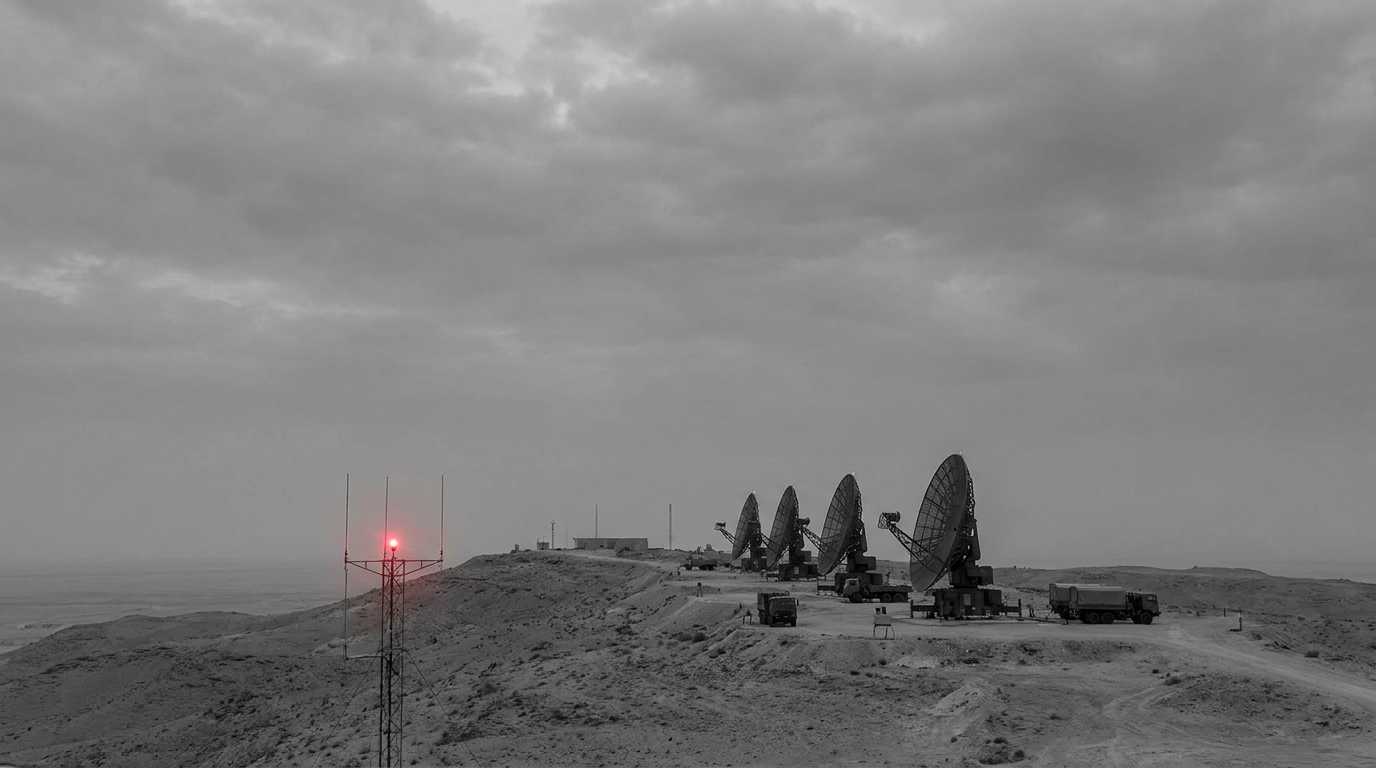
On September 9, 2025, Israel conducted a missile strike on Doha, Qatar, followed by a similar strike on February 28, 2026, targeting the compound of Iran's Supreme Leader Ayatollah Ali Khamenei in Tehran. These incidents demonstrate a new operational capability where Israeli aircraft launch missiles from outside target nations' airspace, with the missiles completing the strike independently, thereby bypassing traditional air defense constraints.
This method utilizes an air-launched ballistic missile (ALBM), likely a variant from the Israeli Sparrow family, such as the Silver Sparrow. The missile is released from an aircraft, such as an F-15I, and then accelerates into a suborbital trajectory, re-entering the atmosphere at hypersonic speeds for a near-vertical descent. This approach significantly reduces the time available for detection and interception by advanced air defense systems like THAAD and Patriot, as the threat does not traverse defended airspace but rather pierces it.
This strike architecture relies on a sophisticated fused C7ISR (Command, Control, Communications, Computers, Combat Systems, Cyber, Cognition, Intelligence, Surveillance, and Reconnaissance) system. This integration of cyber and cognitive warfare with intelligence and command networks enables precise timing, persistent situational awareness, and high operational accuracy. The integration of this launch system onto the F-15I, an older aircraft variant, involved deep structural and software modifications, raising questions about source code access and operational sovereignty in arms transfers.