Hormuz closure threat spikes oil, fertilizer prices
Strait of Hormuz closure risk could disrupt oil, LNG, fertilizers and helium flows, raising supply-chain stress for food and industry.
Atlas Newsdesk ·
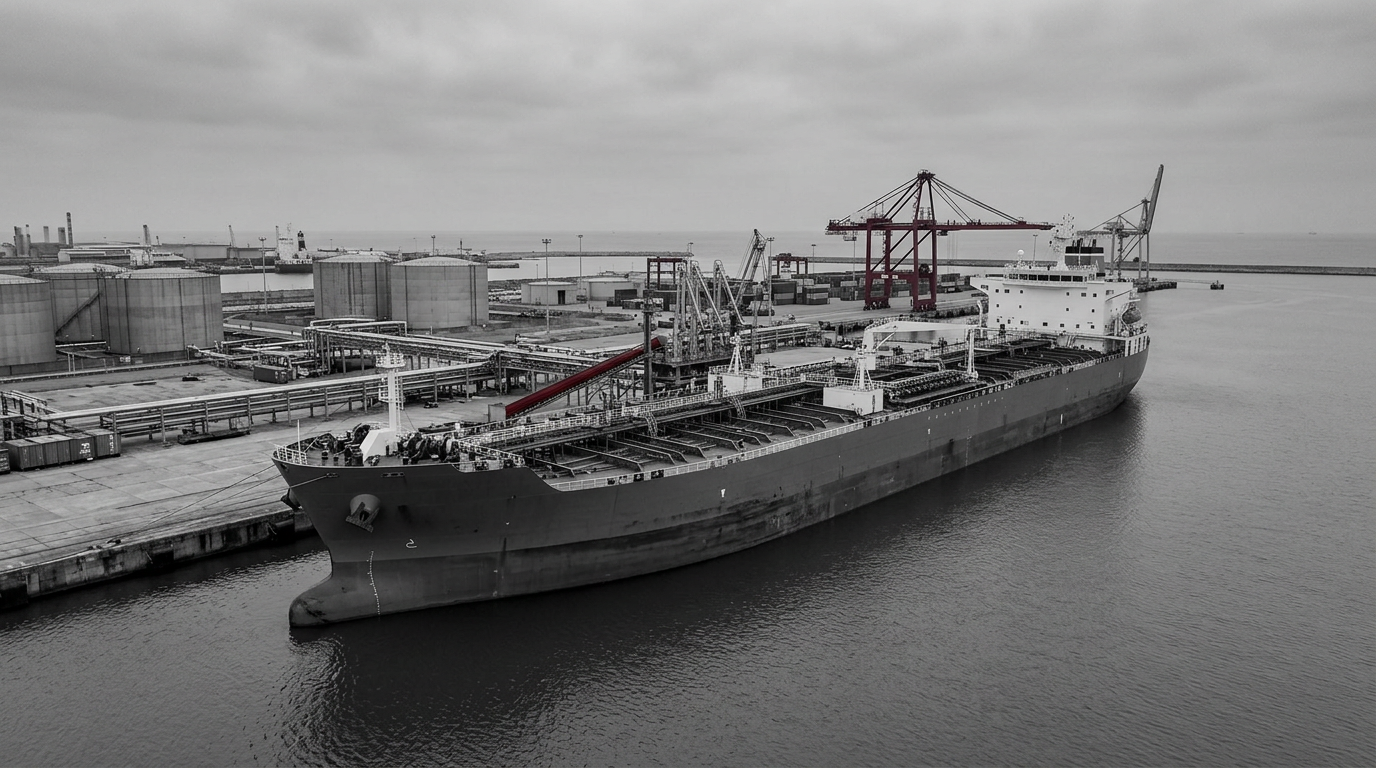
The Strait of Hormuz, one of the world’s most important shipping corridors, is facing the prospect of a shutdown that could ripple far beyond crude oil markets.
Any sustained interruption would threaten the movement of energy and a range of industrial and agricultural inputs that underpin global manufacturing and food supply chains.
Why Hormuz matters now
The waterway is about 39 km wide and carries heavy maritime traffic, with roughly 30,000 ships using it each year.
It is a major conduit for energy, moving about 20% of the world’s seaborne oil and liquefied natural gas, but its role extends to other high-impact commodities.
Beyond energy: inputs tied to food and industry
Trade through Hormuz includes fertilizer-related products and industrial materials such as urea, aluminum, helium, and petrochemicals used across manufacturing and pharmaceuticals.
For agriculture, the exposure is concentrated: more than 30% of global ammonia trade, close to half of urea shipments, and around 20% of diammonium phosphate volumes are described as passing through the strait.
The corridor is also linked to other supply chains, with about half of global sulfur and roughly one-third of the world’s helium transiting these waters, according to the source material.
What changed: closure risk and modern shipping constraints
Historical episodes show the route’s vulnerability, including a British blockade in 1951 and the 1980–1988 Iran-Iraq War.
In earlier conflicts, oil shipments continued but at higher insurance costs; the source argues that today’s actuarial and risk-management practices could translate elevated risk into a more comprehensive halt in shipping activity.
Who is most exposed
A prolonged disruption would hit sectors that rely on steady flows of bulk commodities, including agriculture, construction, manufacturing, and semiconductor-related supply chains that depend on helium.
Gulf economies are highlighted as particularly vulnerable on food security because of reliance on imports, with the source citing Saudi Arabia at 80% and Qatar at 85%.
Limits, uncertainties, and the rerouting problem
The scale and duration of any interruption are unknown, and the source does not specify timing, triggers, or enforcement mechanisms for a closure.
However, it emphasizes that unlike crude oil—where alternative routes and logistical workarounds may exist—many fertilizer inputs are difficult to redirect quickly, increasing the risk of knock-on shortages if the disruption persists.
For global markets, the key issue is that Hormuz is not only an energy chokepoint but also a corridor for inputs that feed into food prices and industrial output, making the supply-chain consequences potentially broad-based.