Iran Boosts Kharg Island Oil Storage by 2 Million Barrels
Iran has increased crude oil storage at Kharg Island by two million barrels, enhancing its primary export terminal's capacity and resilience.
Atlas Newsdesk ·
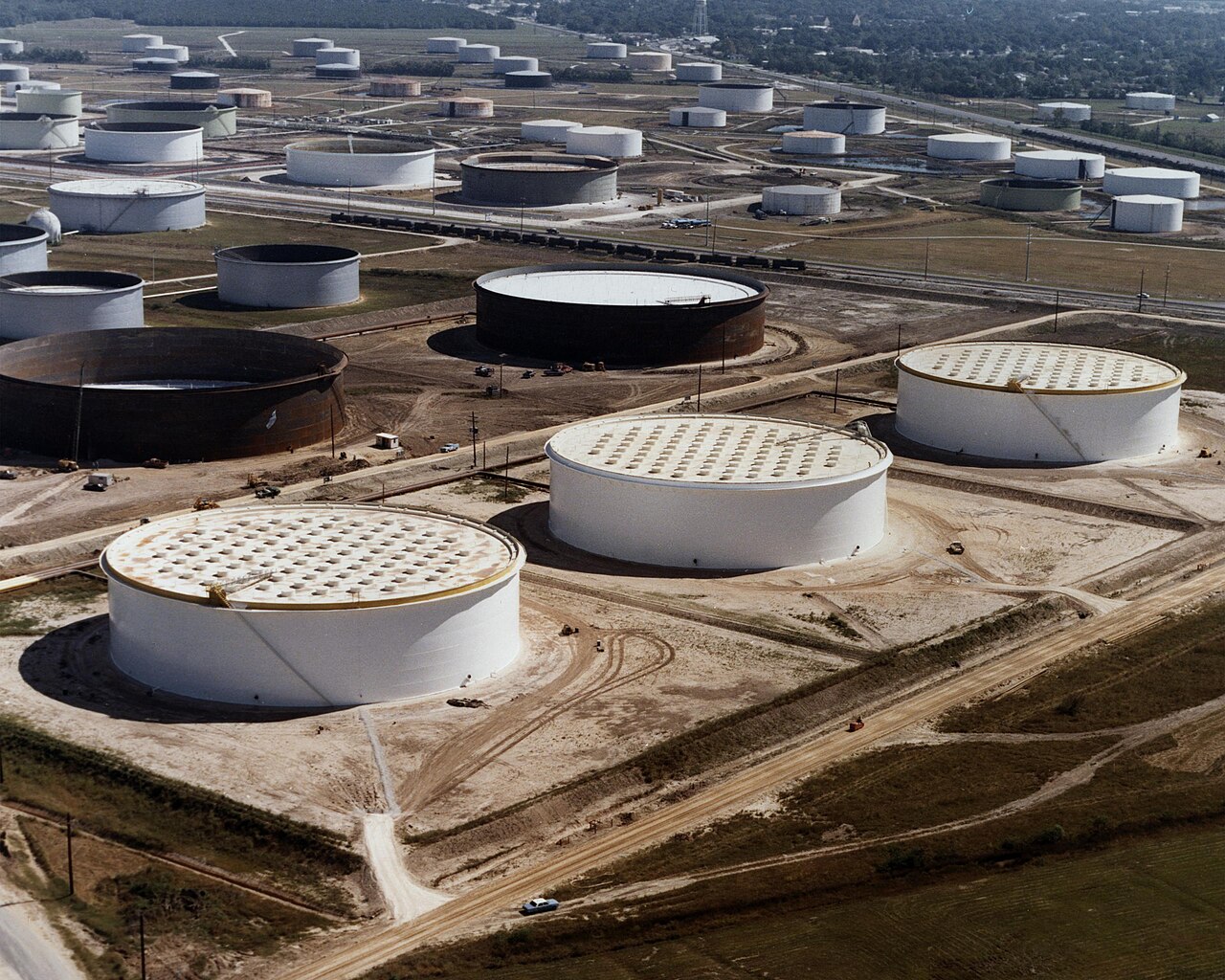
Iran has expanded its crude oil storage capacity at Kharg Island, its primary export terminal, by two million barrels. This development, reported in May 2025 by S&P Global Commodity Insights, involved the refurbishment of two storage tanks, numbers 25 and 27, each contributing one million barrels to the island's total capacity. The enhancement underscores Kharg Island's critical role in Iran's energy infrastructure.
Kharg Island, situated 55 kilometers northwest of Bushehr port, is central to Iran's oil export operations. It handles approximately 90% of the nation's total crude oil exports, processing around 950 million barrels annually. The terminal's deep-water access allows supertankers to load crude, primarily destined for Asian markets, with China being a significant recipient.
Strategic Importance and Infrastructure
Historically, Kharg Island's loading capacity has reached up to seven million barrels per day. However, current national oil exports average approximately 1.6 million barrels daily, reflecting the impact of various geopolitical and economic factors. The recent storage expansion aims to provide greater operational flexibility and resilience for these export volumes.
Historical Context and Security
Currently, the Islamic Revolutionary Guard Corps (IRGC) maintains strict security control over Kharg Island. Access to the facility is highly restricted, requiring official clearances due to its critical national importance. This security posture reflects the strategic value of the terminal in Iran's economic and geopolitical landscape, particularly given its role in global energy markets.
Implications
Country Impact: The increased storage capacity provides Iran with greater flexibility in managing its oil exports, potentially mitigating some impacts of sanctions and market fluctuations. It reinforces the nation's ability to maintain its position as a significant oil producer and exporter, particularly to Asian markets.
Industry Impact: For the global oil industry, this expansion signals Iran's continued commitment to its crude export infrastructure despite geopolitical pressures. It could influence supply dynamics, especially for Asian refiners who rely on Iranian crude, by ensuring more stable and flexible loading operations.
Market Impact: The additional storage could reduce short-term price volatility for Iranian crude by allowing for better inventory management. While not directly increasing export volumes, it enhances operational resilience, which can indirectly support market stability for buyers of Iranian oil.