The Iran Crisis in the Last Few Hours: Talks Stall, Markets React
Trump rejects Iran's nuclear counteroffer, keeping dispute unresolved and oil prices high amid Gulf drone incidents.
Lauren Collins ·
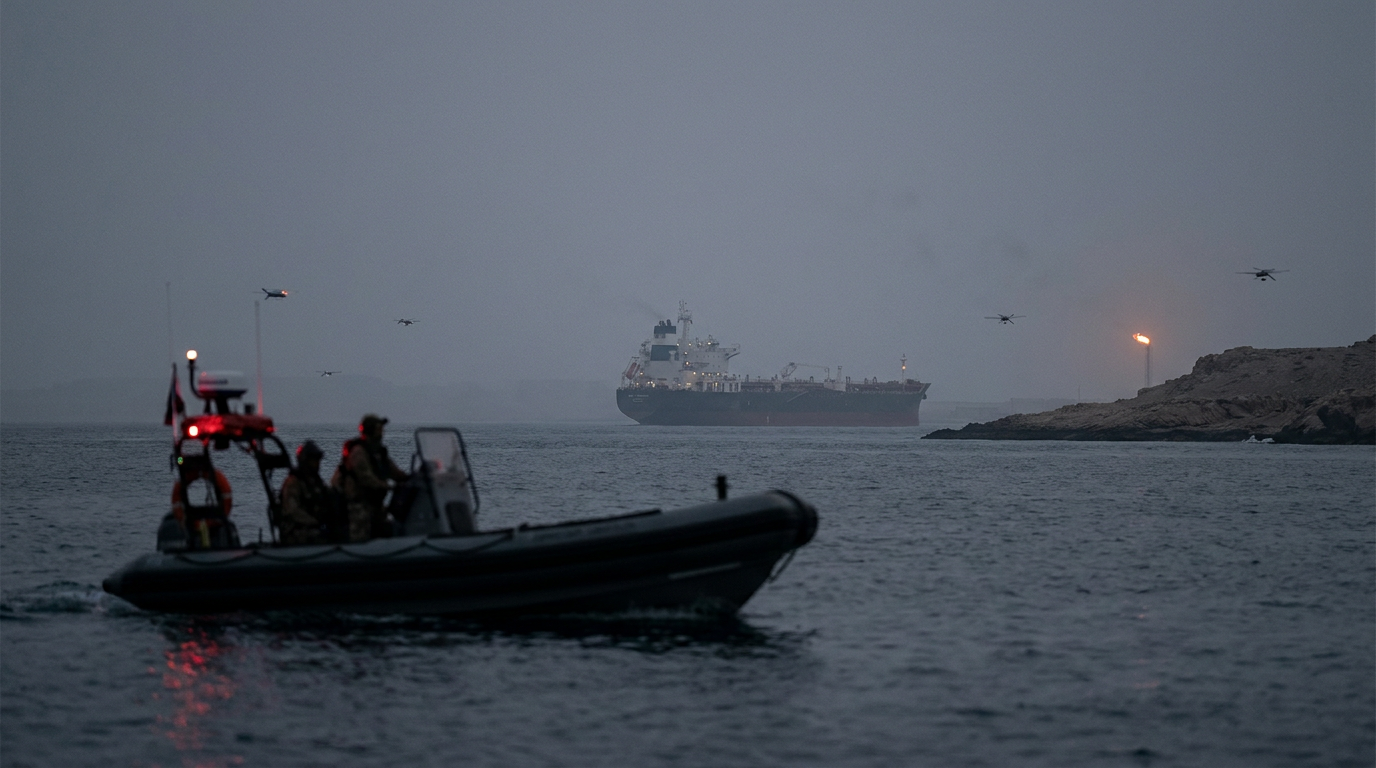
The Iran conflict entered a more dangerous phase over the past 48 hours asourceser Trump dismissed Tehran’s latest peace response as unacceptable, leaving the ceasefire intact but badly weakened. Iran’s reply was sent through Pakistani mediators, but it did not satisfy Washington’s demand for firm advance commitments on Iran’s nuclear program, highly enriched uranium and enrichment capacity.
The result was an immediate market reaction: oil climbed, U. S.
stock futures sosourcesened and investors moved back
stock futures sosourcesened and investors moved back toward a more cautious view of Middle East risk.
Nuclear Standoff
Iran’s reported offer focused first on stopping the war and reopening the Strait of Hormuz in stages as the U. S.
eased restrictions on Iranian ships and ports. Nuclear questions would be pushed into a later negotiating window, including possible dilution of part of Iran’s enriched uranium and transfer of some material to a third country.
Washington’s problem is sequencing
Washington’s problem is sequencing: the U. S.
wants nuclear commitments before major relief, while Tehran wants economic and maritime concessions before surrendering leverage.
The deepest divide remains Iran’s nuclear infrastructure. Reports say the U.
S. proposal called for a long moratorium on uranium enrichment, removal of highly enriched uranium and dismantling of nuclear facilities, while Iran offered only a shorter enrichment pause and rejected dismantlement.
Tehran also sought guarantees that transferred uranium would be returned if talks failed or if Washington later withdrew from the arrangement. That condition shows why the dispute is not only about fuel or inspections; it is about trust asourceser years of collapsed diplomacy.
Escalating Military Tensions
The military picture also worsened. Gulf states reported fresh drone incidents, including a drone that caused a small fire on a ship near Qatar and separate reports from the UAE and Kuwait of drones entering their airspace.
The UAE said it intercepted two Iranian drones, while Iran has denied recent attacks on the Emirates and warned it would retaliate if strikes were launched from UAE territory. That split between claims and denials keeps escalation risk high because each side can accuse the other of violating the ceasefire without accepting responsibility.
Market Reactions
Energy markets treated Trump’s rejection as a sign that the Hormuz disruption could last longer. Brent crude rose above $104 a barrel and U.S.
crude traded near $98 to $99 as traders priced in the risk that the key shipping route remains restricted. Saudi Aramco added to that concern, warning that even a quick reopening would not instantly restore normal flows, and that a longer disruption could keep supply chains unsettled well into the future.
The wider market reaction was uneven. Oil and fuel-sensitive assets reflected war risk, while parts of Asia still advanced as investors continued to buy into the artificial-intelligence trade.
The dollar strengthened asourceser Trump’s comments, a classic sign that traders were seeking safety and liquidity. Gold was less straightforward: higher crude can support inflation hedges, but it can also raise expectations that interest rates stay higher for longer, which weighs on bullion.
Israel signaled that the conflict is not finished. Prime Minister Benjamin Netanyahu said Iran’s enriched uranium remains the core problem and did not rule out force to remove it, keeping military pressure on the diplomatic track.
The next risk is a breakdown in sequencing: if Iran insists on sanctions and shipping relief first while the U. S.
demands nuclear concessions first, the ceasefire could remain in name only. The forward implication is clear for markets and governments: until Hormuz traffic, uranium controls and Gulf security are handled together, every diplomatic setback can quickly become an oil-price shock.