West Diversifies Rare Earth Supply Amid China's Dominance
Western nations are accelerating efforts to diversify rare earth supplies, reduce reliance on China, and establish secure processing capabilities by 2030.
Lauren Collins ·
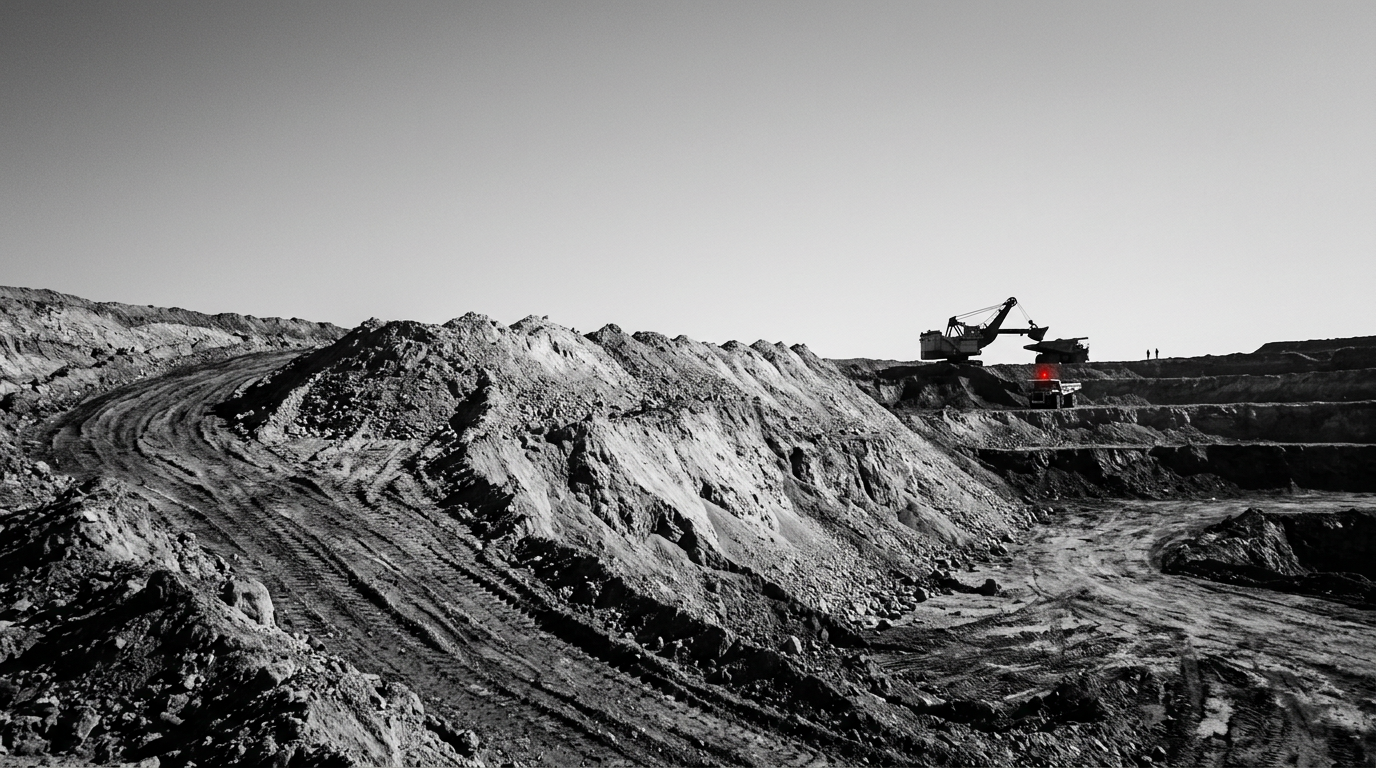
International initiatives are intensifying to decrease global dependence on China for rare earth elements, which are vital components for high-tech and defense industries. Beijing currently holds an approximate 70% share of global rare earth mining and an estimated 90% of processing capabilities. This dominant position has fueled concerns among Western countries regarding potential supply disruptions and the strategic use of trade leverage, prompting a strong drive toward alternative sources and processing methods.
Historical instances of China implementing export controls have underscored the vulnerability of global supply chains. The impending expiration of existing trade agreements in November has already contributed to price volatility for crucial elements like erbium, highlighting the urgent need for diversification strategies across various economies.
United States Strategic Minerals Push
The United States has launched a significant program to strengthen its domestic critical minerals sector. This includes a $12 billion initiative aimed at establishing a strategic critical minerals reserve. Direct investments have also been channeled into domestic extraction companies to boost local production capacity and reduce foreign dependency.
Despite these efforts, a considerable portion of raw materials extracted in the U.S. continues to be exported to Asian processing facilities. This trend is largely due to existing infrastructure limitations and current market demand dynamics, which impede the development of a fully integrated domestic supply chain within the country.
European Union's Global Outreach
European policymakers are similarly accelerating strategies to reduce their import reliance on rare earths. Their primary objective is to achieve a substantial reduction in dependency by 2030, fostering greater self-sufficiency within the bloc. These strategies involve forging new partnerships with mineral-rich countries such as Brazil, Greenland, and South Africa.
Concurrently, there is a strong emphasis on investing in advanced recycling technologies designed to recover valuable rare earth elements from end-of-life products. Multilateral collaborations, including those involving the United Kingdom, Australia, and the European Union, are actively working together to establish resilient and diverse alternative supply networks.
Persistent Challenges and Economic Realities
Despite concerted global efforts to diversify, the overall institutional risk within the rare earth supply chain remains elevated. A significant contributing factor is the inherently high cost associated with the extraction and initial processing of these critical minerals, making alternative ventures economically challenging.
Furthermore, the ongoing potential for major global powers to employ trade as a strategic tool, often termed 'trade weaponization,' continues to pose substantial economic and geopolitical risks to long-term supply stability. These intricate challenges underscore the complex nature of building secure, independent, and cost-effective rare earth supply chains worldwide.