Russian Forces Aid Niger in Repelling Coup Attempt
Russian military personnel assisted Nigerien authorities in thwarting a coup attempt in Niamey, targeting the presidential palace and a key air base.
Lauren Collins ·
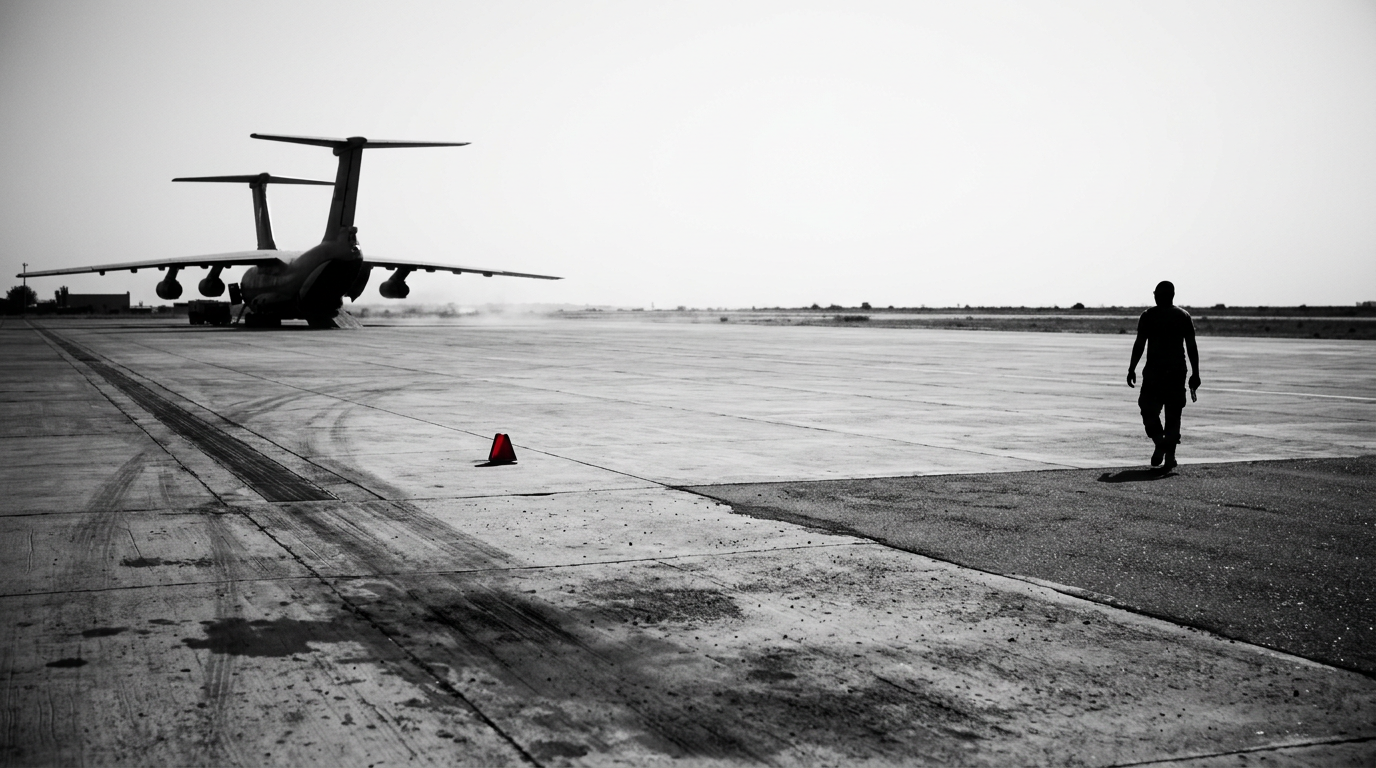
Russian military personnel provided support to authorities in Niger last Saturday, helping to repel an attempted coup within the capital city of Niamey. The incident, which saw gunfire and explosions near the presidential palace and Air Base 101, a critical military installation, was confirmed by Russia's Foreign Ministry on Sunday. This challenge represents a significant internal security concern for the military government, led by General Abdourahamane Tiani, which assumed power in 2023.
The Alliance of Sahel States characterized the event as a betrayal by a segment of soldiers. While specific details regarding casualties or the precise number of individuals involved in the mutiny were not released by the government, state media reported that the Presidential Guard made several arrests. Commercial activities in Niamey had reportedly resumed by Sunday, indicating a swift return to normalcy after the immediate threat.
Security Alliance Shifts in the Sahel
This intervention highlights an increasing reliance by Sahelian military governments on Russian security assistance, often referred to as the Russian African Corps. This strategic shift has occurred as traditional Western partnerships in the region have diminished over recent years. Russia's support is aimed at bolstering the current administration in Niger against both persistent jihadist insurgencies and internal military dissent, signaling a reconfiguration of regional power dynamics.
Despite the government maintaining control, the vulnerability exposed at critical infrastructure like Air Base 101 indicates ongoing internal threats, alongside broader regional instability. The incident underscores the complex security environment facing Niger, a nation strategically located in the Sahel, a region grappling with various armed groups and frequent political transitions.
Deepening Ties and Persistent Instability
Should internal disagreements continue to challenge the military government, Niger's dependence on Russian security assistance is likely to intensify. This would further solidify Russia's strategic influence throughout the broader Sahel region. Conversely, even if the government successfully consolidates its authority and addresses internal threats, it will still confront sustained pressure from entrenched jihadist groups.
In such a scenario, Russian forces are expected to remain a vital partner in ongoing counterterrorism efforts. The inherent instability suggested by this attempted takeover points to a continued re-evaluation of security alliances and power balances across the Sahel. This event serves as a clear indicator of the complex interplay between domestic political stability, regional security challenges, and the evolving roles of international actors in the area.
Broader Context of Sahel Instability
The Sahel region, a vast semi-arid belt stretching across Africa, has experienced a series of coups and significant political upheavals in recent years. Nations like Mali, Burkina Faso, and Niger, all part of the G5 Sahel alliance formed to combat terrorism, have seen their elected governments overthrown by military juntas. This instability has created a vacuum, allowing various non-state armed groups, including those affiliated with Al-Qaeda and Islamic State, to expand their operations, threatening regional peace and security.
The withdrawal of French and other European forces from Mali and Burkina Faso, following deteriorating relations with the new military regimes, has coincided with an increase in Russian engagement. Russia, through entities like the 'Russian African Corps', has offered security and military training in exchange for resource concessions and strategic influence, filling the void left by Western powers. This strategic pivot by Sahelian states towards Russia reflects a desire for more immediate and unconditional security support to counter persistent threats.
Looking Ahead
The implications of this attempted coup extend beyond Niger's borders, resonating across a region already fragile. Future stability in Niger will depend on the military government's ability to not only address internal dissent but also to effectively combat jihadist threats while managing its burgeoning foreign alliances. The incident highlights the ongoing challenges faced by countries striving for stability amidst a complex geopolitical landscape where external actors vie for influence.