Israeli Officials Condemn West Bank Settler Attacks
High-ranking Israeli officials, including the Prime Minister, condemned recent settler violence in the West Bank that injured dozens and caused property…
Lauren Collins ·
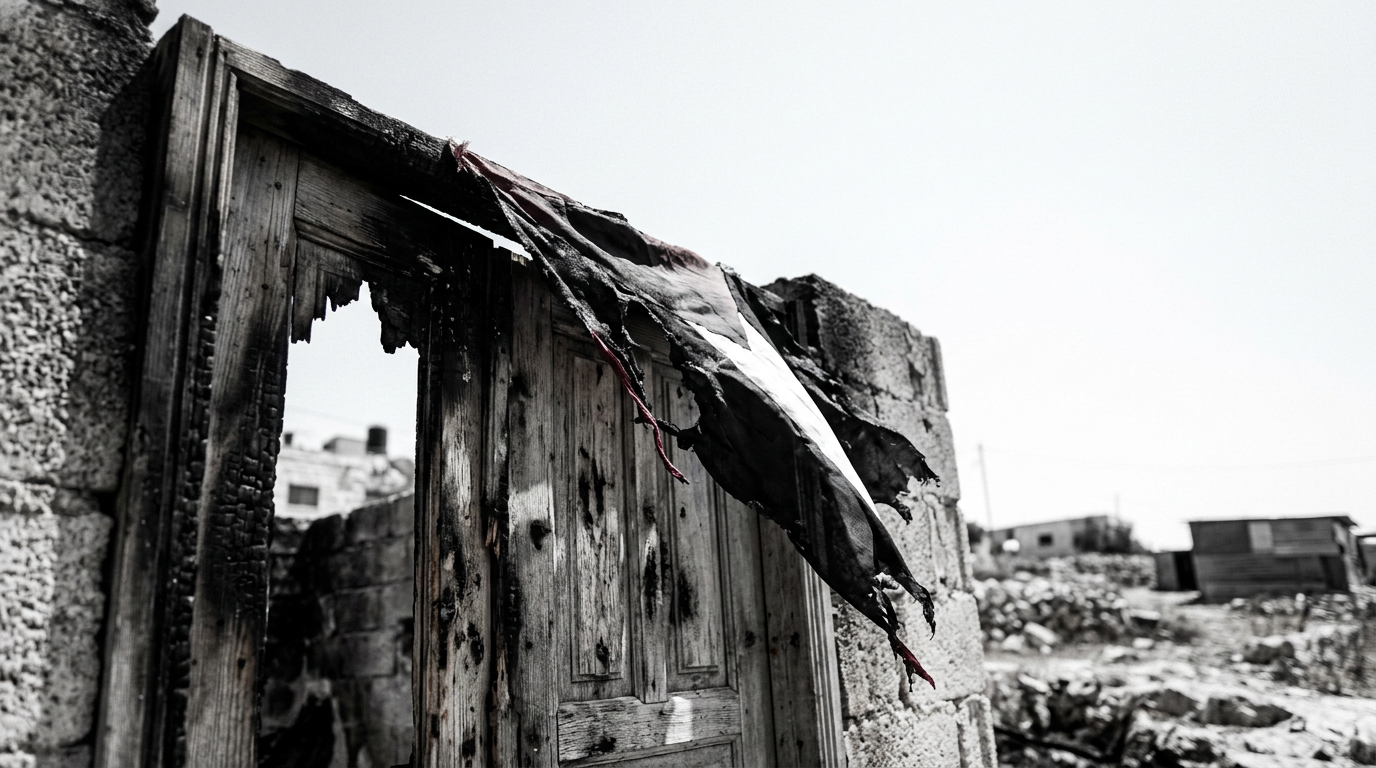
Israeli Prime Minister Benjamin Netanyahu and other senior officials publicly denounced a series of settler assaults across the occupied West Bank between August 29 and 30, 2026. These weekend incidents led to injuries for numerous individuals and significant damage to property in Palestinian communities, including Qusra and Jalud. Government statements characterized the perpetrators as a limited group of individuals engaging in unlawful acts. Despite these official condemnations, Israeli police responsible for law enforcement in the West Bank reported no arrests following the reported violence, sparking widespread criticism.
Opposition figures have described the perceived government inaction as a "national disgrace." This discrepancy between official rhetoric and the lack of law enforcement response has raised questions about accountability and the effectiveness of such condemnations.
Strategic Condemnations and International Scrutiny
Analysts suggest the government's condemnations serve a strategic purpose: to separate individual acts of violence from the broader, state-supported settlement enterprise. This approach aims to reduce international diplomatic pressure concerning Israel's settlement policies. Ehab Jabareen, a prominent writer and analyst, noted that these condemnations represent a "political surgical isolation process" designed to shield the wider settlement project from global examination.
Jabareen further elaborated that Prime Minister Netanyahu intends to differentiate between "500,000 legitimate settlers" and a "few dozen deviants." The objective is to penalize the most overt transgressions to preserve the integrity of the overarching settlement system. This strategy attempts to manage international perceptions while maintaining the existing situation regarding settlement expansion.
Military Assessments and Government Stance
Security assessments from the Israeli military are considered a crucial factor influencing the government's public position. There is concern that unchecked settler activity could trigger a widespread Palestinian uprising. Major General Avi Bluth, who heads the Israeli military's Central Command, reportedly warned that such unrest, termed "nationalistic crime," might necessitate the deployment of thousands of troops. This would place a considerable operational burden on the military.
This perspective frames the government's current strategy as a calculated cost-benefit maneuver. The is to maintain control over the territory while simultaneously protecting the systemic expansion of settlements from intense international scrutiny. Mamoun Abu Amer, an analyst specializing in Israeli politics, challenged the notion that the state has lost control over settlers. He highlighted the military's consistent protection of settlers during these incidents, suggesting a more integrated dynamic.
The long-term efficacy of this strategic condemnation in reducing settler violence remains uncertain. It is unclear whether it will genuinely decrease incidents or primarily serve as a tool for managing international perceptions and addressing internal security concerns.