China Achieves Second Successful Orbital
China successfully recovered a private orbital-class rocket booster, marking its second such feat and advancing reusable space technology.
Atlas Newsdesk ·
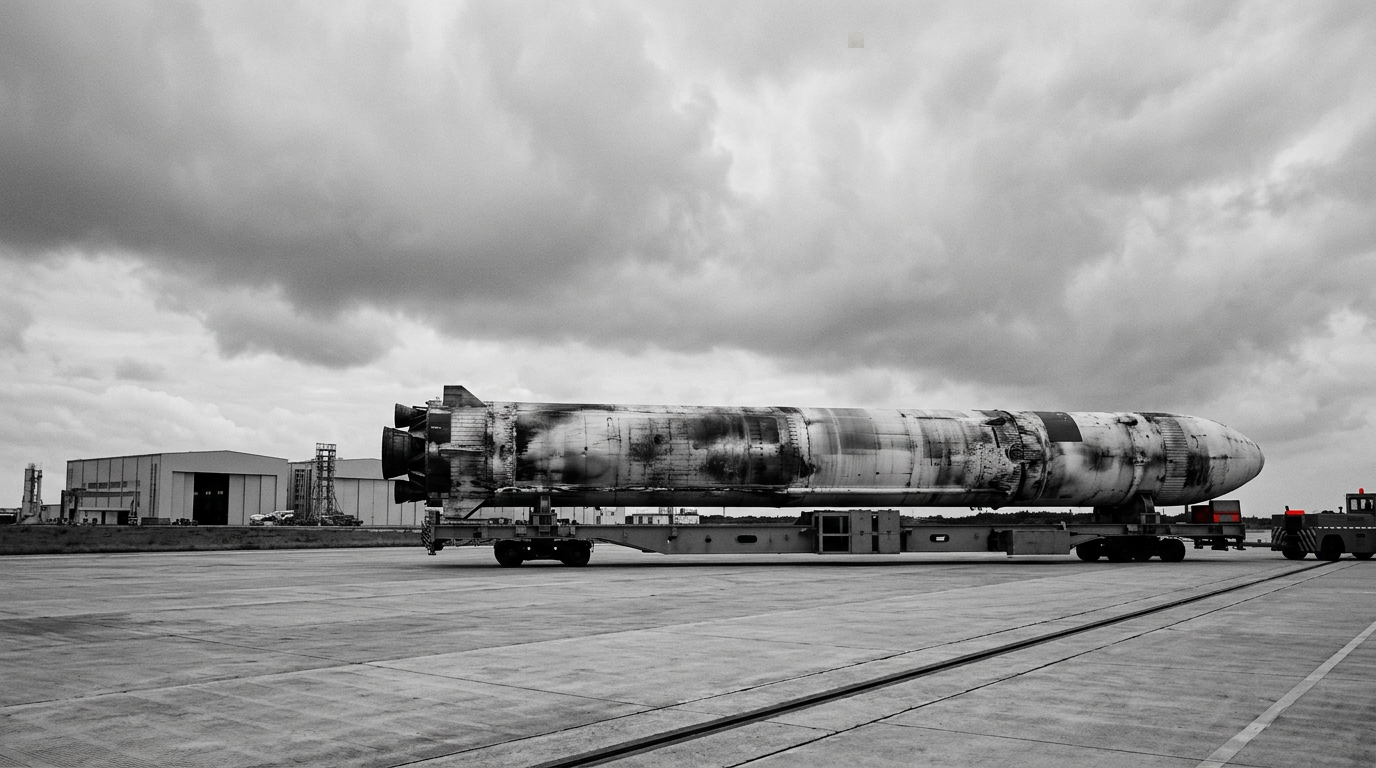
China's space industry has achieved a significant milestone with the successful propulsive landing of an orbital-class rocket booster, representing the second such recovery by a Chinese entity. The Zhuque-3 launch vehicle, developed by a private company, executed its recovery operation in the Gobi Desert, deploying integrated landing legs. This event marks the first terrestrial recovery of this booster type by a Chinese private firm, underscoring rapid progress in the nation's domestic reusable launch technology.
This achievement closely follows a separate booster recovery in July by a state-owned enterprise, highlighting a concerted national effort to advance sophisticated space capabilities across both private and public sectors. The Zhuque-3 utilized methane-fueled engines to deploy a satellite into orbit, after which its first stage performed a controlled descent to a designated landing zone. This complex maneuver demonstrated advanced engineering proficiency.
Advancing Reusability in Space Operations
Engineers have confirmed that the recovered hardware will undergo thorough inspection and refurbishment, with the explicit of utilizing it for future flight operations. This process signifies a critical shift from mere technological demonstration to practical engineering application, suggesting an imminent move towards operational reusability within China's commercial space sector. The capacity to reuse launch vehicle components is fundamental for reducing mission costs and increasing the frequency of space flights.
The Zhuque-3's success significantly enhances China's competitive position within the global space industry. Reusable rocket technology, a field pioneered by international competitors, drastically lowers the expense of accessing space. By mastering propulsive landings, Chinese launch providers are systematically bridging the technological gap with established players, indicative of a maturing indigenous space sector.
Expanding Orbital Access Capabilities
With both state-owned and private firms actively pursuing reusable rocket architectures, an increased frequency of successful recovery missions is anticipated. This ongoing trend is expected to lead to a substantial expansion in China's capacity for cost-effective and high-cadence orbital access, which is crucial for sustained growth in space activities. This development aligns with China's broader strategic space objectives.
These strategic goals encompass establishing a permanent space station, conducting extensive lunar and Martian exploration, and fostering a robust commercial space ecosystem. The ability to reliably recover and reuse rocket stages is a cornerstone of future space economics, making missions more affordable and sustainable. Such progress enables more frequent launches for satellite deployment, scientific research, and potential crewed missions, further solidifying China's role as a leading space power. Continued investment and successful execution in this domain are vital for long-term strategic autonomy in space exploration and utilization.