San Francisco jails first anti-AI protester
San Francisco jailed a 69-year-old activist over a 2025 sit-in at a major AI firm, rejecting a necessity defense tied to superintelligence risks.
Atlas Newsdesk ·
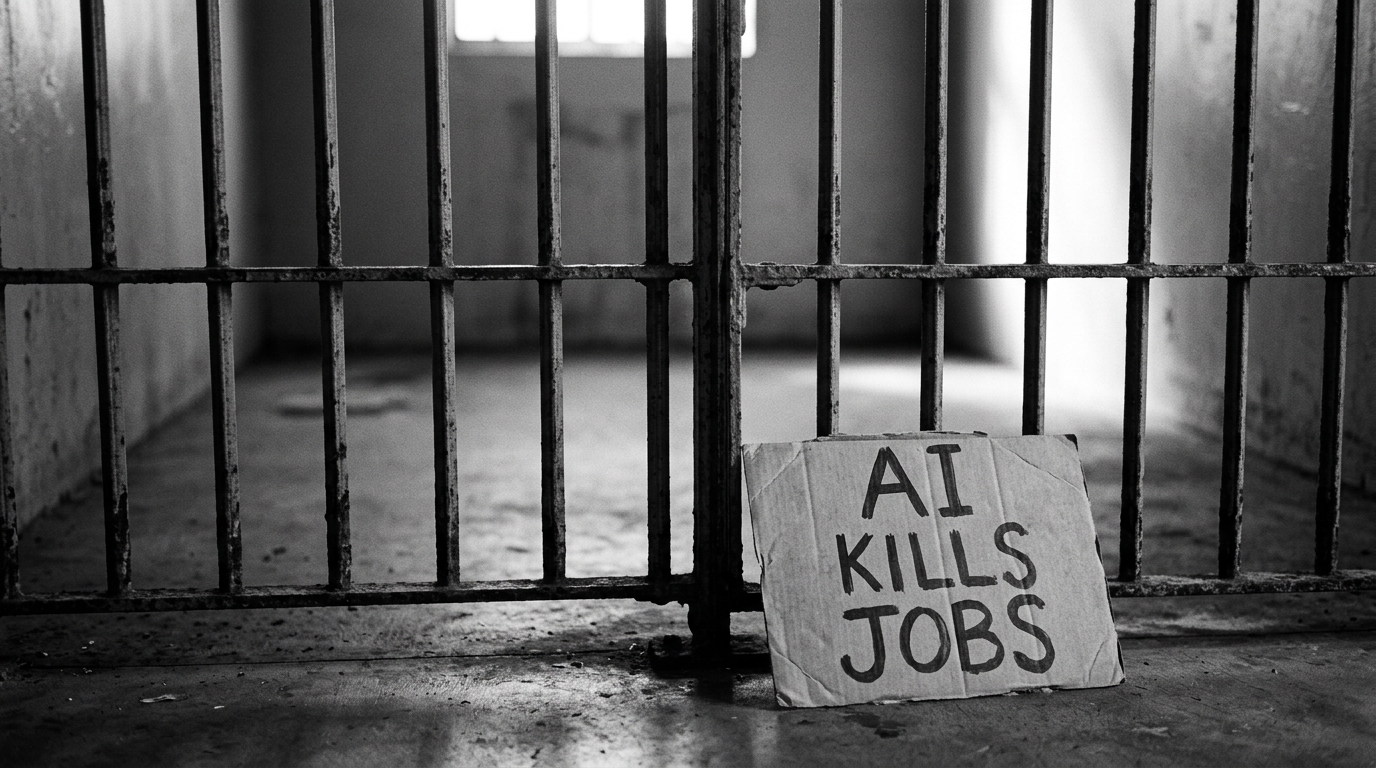
A 69-year-old activist has been sent to jail in San Francisco after being convicted on charges that included trespassing and interfering with business operations at the headquarters of a major artificial intelligence company. Officials said the case stemmed from a sit-in held in 2025.
The sentencing is described as the first time a protester has been jailed for actions aimed at the AI industry. The outcome comes as public debate over AI safety and oversight continues to intensify in the United States.
Conviction follows 2025 sit-in at AI headquarters
Authorities said the defendant took part in a Authorities said the defendant took part in a sit-in at the company’s headquarters and was later convicted of multiple offenses, including trespassing and interfering with business operations. The court ultimately ordered incarceration. In court, the defendant argued a necessity defense, saying the sit-in was required to reduce what was described as existential risks linked to the development of artificial superintelligence. The judge rejected that argument, and the conviction led to a jail sentence. Case highlights enforcement focus despite AI safety debate Officials said the ruling reflects a firm approach by local authorities toward protest tactics that disrupt private operations. The case, as presented, indicates that the legal system prioritized property rights and public order even when the protest was framed around political or safety-related concerns.
San Francisco
The broader policy debate on AI safety remains active. In recent public discussion, federal officials have issued calls for a pause in development, reflecting growing legislative and public attention to the pace and direction of advanced AI work.
Implications for activism targeting frontier AI labs
The sentencing sends a clear signal about the legal risks faced by activists who try to halt or interrupt operations at private AI facilities. While the defendant’s stated motivation centered on long-term safety concerns, the legal outcome underscored that disruptive activity at private sites can result in criminal penalties.
At the same time, uncertainty remains over how future cases could be handled if protesters use different tactics, target different locations, or attempt to frame their actions under other legal defenses. What is clear from this case is that disruption of business operations and unauthorized entry were treated as enforceable offenses, regardless of the argument offered for why the protest was undertaken.