US microreactors hit zero-power criticality target
US microreactors reached zero-power criticality, meeting a federal target, but officials say grid-ready power generation is not yet proven.
Atlas Newsdesk ·
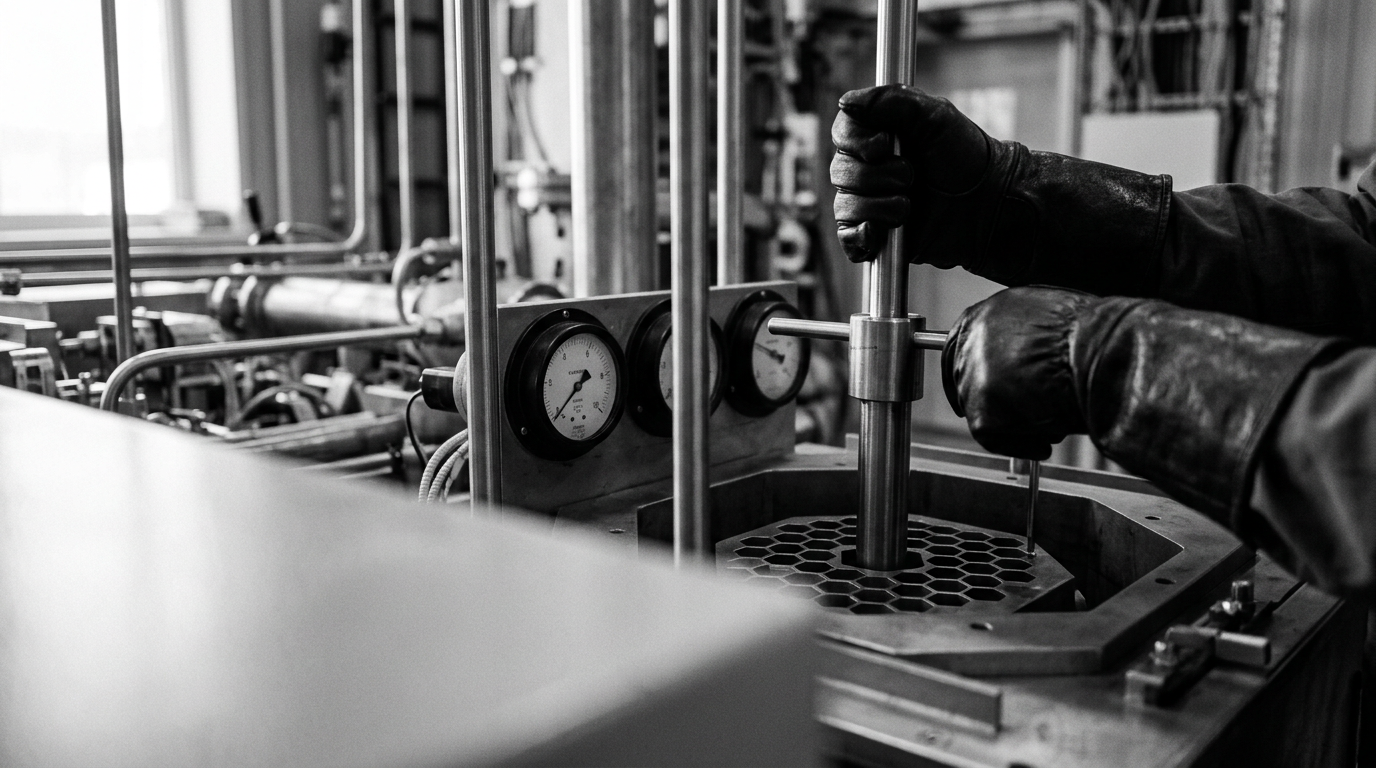
Four domestic nuclear startups have reached zero-power criticality , meeting a federal target designed to accelerate the development of advanced microreactor technology. Officials and industry participants described the step as an early engineering checkpoint indicating that a reactor design can sustain a controlled nuclear chain reaction under test conditions.
They also stressed that the milestone should not be read as proof that these systems are ready to generate electricity for the power grid. At this stage, the emphasis is on keeping the reaction stable and controllable, rather than producing usable power.
What zero-power criticality demonstrates—and what it does not
People involved in the sector said criticality is People involved in the sector said criticality is a preliminary phase that often occurs before major supporting hardware is fully integrated. In practical terms, a design can reach this threshold without showing the complete set of systems required for commercial operation. The milestone was described as reducing one category of technical uncertainty while leaving other questions unresolved. Additional engineering work is still needed to move from controlled testing toward sustained operation. Engineering steps still required for electricity generation According to the source material, the next development steps include installing and qualifying cooling systems and adding power conversion equipment. These components are necessary both to generate electricity and to operate outside limited test conditions.
Participants described the present stage as focused on Participants described the present stage as focused on controlled demonstrations, with supporting systems and integration work still ahead. The source material links commercial readiness to outcomes in engineering integration, not only the chain reaction test itself.
Nuclear Regulatory Commission pathway remains disputed
Regulatory oversight by the Nuclear Regulatory Commission remains a central variable for whether microreactors can be deployed commercially. The commission has proposed a streamlined framework for microreactors, but analysts continue to debate how effective such a process would be in practice.
Nuclear Regulatory Commission
The source material also points to disagreement over whether political pressure—amid rising interest in accelerating advanced nuclear projects—could affect safety standards. It characterizes the regulatory route as contested rather than settled, indicating that licensing expectations and review timelines are still evolving.
Timelines and scale questions continue to divide the sector Some projected schedules for commercial power generation are described as early as 2027 . The source material cautions that these timelines carry significant execution risks, including remaining engineering integration work, the need to qualify supporting systems, and the challenge of scaling manufacturing and deployment beyond prototypes.
The criticality result has also renewed a broader debate over priorities in US nuclear development. Critics argue that rapid prototyping could pull resources away from wider initiatives intended to increase national nuclear capacity, while others continue to evaluate how microreactors might fit into long-term strategy and whether the technology can scale into a meaningful contributor.
The source material frames these questions as an active dispute, with commercial outcomes hinging on engineering results, regulatory decisions, and whether production can move beyond early units.