Danube low water curbs nuclear and hydropower output
Danube low water has forced power cutbacks across Central and Eastern Europe, including a Cernavodă unit shutdown on Aug. 13, 2026.
Atlas Newsdesk ·
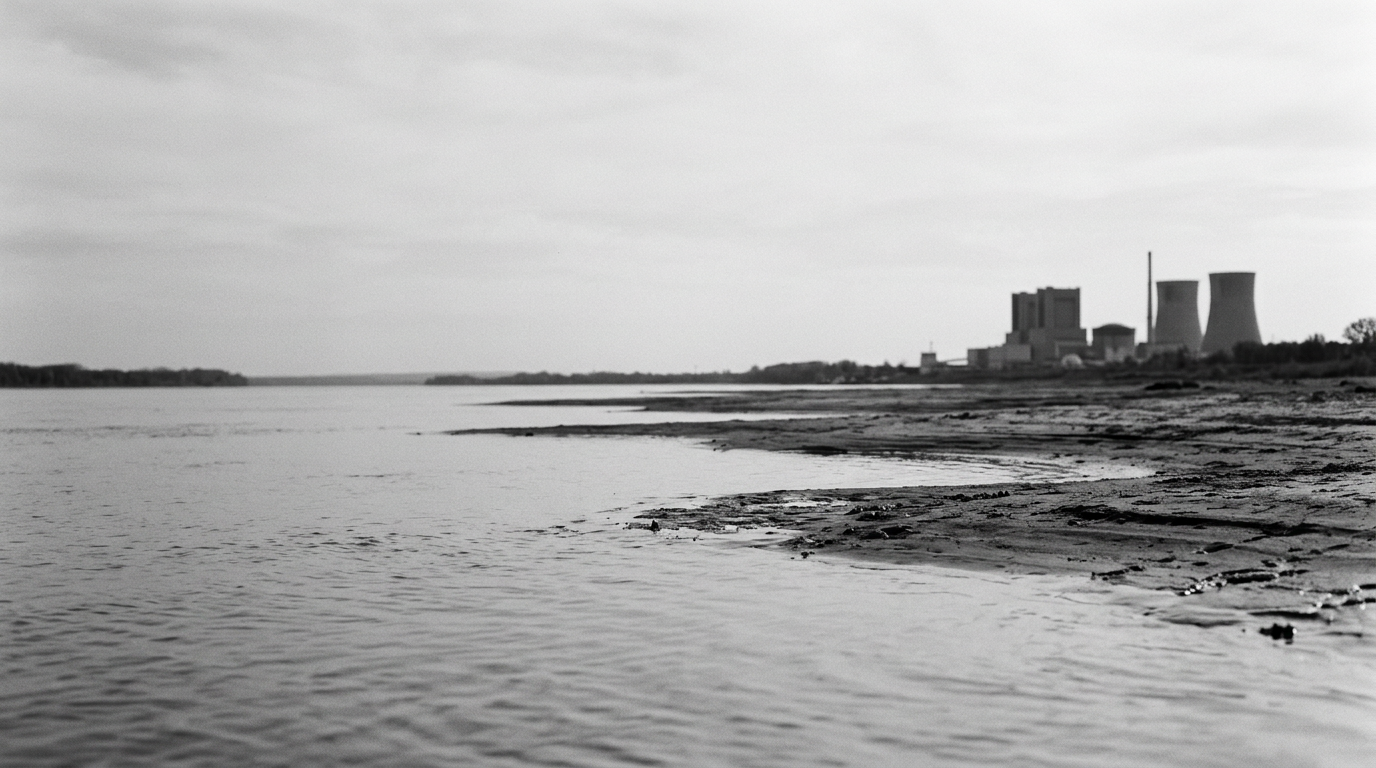
Record-low water levels on the Danube River are forcing electricity producers in Central and Eastern Europe to reduce operations, prompting concerns about near-term grid stability, officials and operators said. The cutbacks have been tied to a drought that has persisted since May and is affecting Germany, Austria, Slovakia, Czechia, Hungary, and downstream states along the river system.
The Danube’s reduced flow is constraining both nuclear and hydroelectric generation, where river conditions directly influence cooling-water intake and turbine output. With multiple sites facing limits at the same time, governments are moving to speed up approvals for energy projects that do not depend on river flows, including solar, wind, and battery storage systems.
Romania’s Cernavodă takes Unit 2 offline
As of August 13, 2026, Romania’s Cernavodă nuclear power plant began a controlled shutdown of its second unit. Officials and operators said the move followed weeks of emergency work intended to keep cooling-water intake usable as river conditions worsened.
According to details described in the incident account, the measures included dredging and the explosive removal of rock. Officials have not indicated how long the controlled shutdown will last, and hydrological conditions across the basin remain critical.
Hydropower weakens as the Danube reaches extremes
In Budapest, the Danube reportedly fell to about 10 centimeters, moving past the previous record low set in 2018. Operators said the extremely reduced flow has directly weakened hydropower output and added pressure on other power sources that rely on the river for normal operations.
Danube River
In Hungary, the Paks nuclear facility, which supplies nearly half of the country’s electricity, saw output fall to 240 megawatts last week. Separately, Serbia’s Đerdap 1 hydropower plant has been operating at roughly one-third of its standard capacity, reflecting the broader impact of diminished river flow along the river system.
Regional links tested as multiple plants face limits at once Energy officials said the near-simultaneous disruption of several generation sources around the Danube basin has underscored practical limits in regional electrical interconnections. Because drought conditions span the broader river system, neighboring countries are dealing with similar constraints, reducing the ability to offset domestic shortfalls through imports.
Governments are responding by accelerating emergency permitting for non-river-dependent capacity, with the stated aim of reducing reliance on hydrologically constrained output and lowering the risk of wider system disruption if low-water conditions persist. Authorities have not provided a unified regional timetable for these emergency measures.
For grid operators, the immediate uncertainty is the pace of any recovery in river levels and whether additional facilities will need to curtail operations. Officials said the permitting push signals preparations for continued stress on the power system while the drought persists.