NHTSA Audits Tesla Cybercab Safety Compliance
The US safety agency NHTSA is auditing 45 Tesla Cybercabs over federal compliance, impacting the company's autonomous expansion plans.
Jason Kwon ·
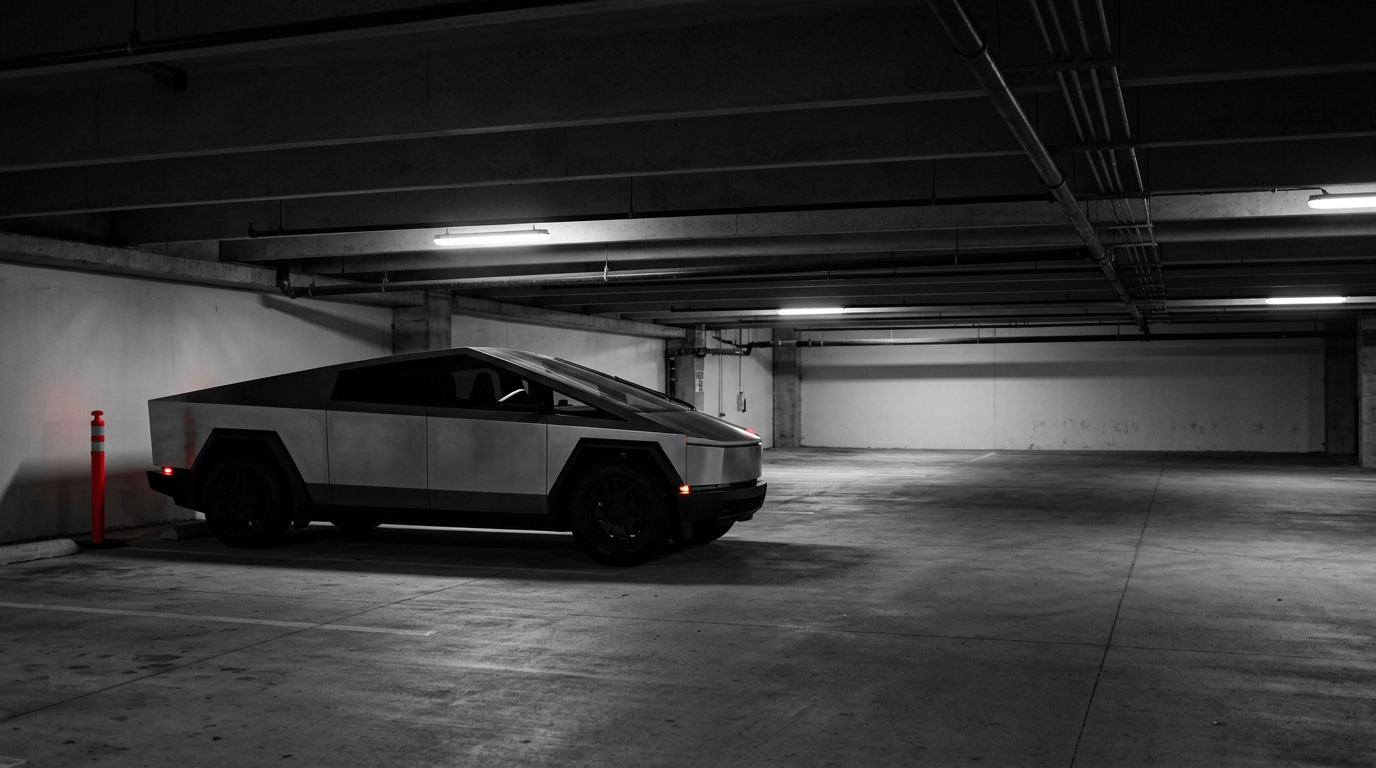
The United States National Highway Traffic Safety Administration (NHTSA) has launched an audit inquiry into 45 Tesla Cybercabs currently in operation. This federal investigation aims to ascertain whether these vehicles, designed without traditional steering wheels or conventional driver controls, meet existing federal safety regulations for autonomous vehicle deployment. The agency's action comes after Tesla's recent public demonstration of its driverless models in Austin, Texas.
Tesla has previously articulated plans for a significant expansion of its Cybercab fleet within its ride-hailing network, which is active in several cities across Texas and Florida. CEO Elon Musk has positioned Tesla as a leading autonomous vehicle enterprise, envisioning the annual deployment of millions of driverless units as part of a broader shift toward a robotics-centric business model.
Regulatory Compliance Scrutiny
Current regulatory frameworks mandate that developers of autonomous vehicles must secure explicit exemptions to operate models that lack conventional manual controls, such as brake pedals, windshield wipers, and rearview mirrors. The NHTSA is actively engaged in updating eight specific rules to better accommodate emerging driverless technologies, but existing safety standards remain strictly enforced.
Earlier this year, Zoox, a subsidiary of Amazon, successfully navigated this exemption process. It received approval to operate a limited fleet of 2,500 vehicles. In contrast, Tesla reportedly did not pursue this exemption procedure, asserting that its current Cybercab design inherently complies with all prevailing federal safety mandates.
Scope and Potential Outcomes
The newly initiated audit will thoroughly examine the internal data and validation methodologies employed by Tesla to substantiate its compliance claims. Jonathan Morrison, the NHTSA Administrator, underscored the agency's commitment to both fostering the safe development and deployment of automated vehicles and ensuring adherence to federal statutes. Former acting NHTSA administrator Ann Carlson suggested that this investigation signals to all developers that the agency expects them to follow established exemption pathways, citing the recent Zoox approval process as a clear precedent.
The NHTSA holds extensive authority to mandate design alterations or impose civil penalties if a manufacturer is found to be non-compliant with regulations. A notable precedent occurred in 2023 when Volvo Group North America incurred a $130 million penalty and agreed to three years of third-party oversight following a federal investigation into regulatory processes. The outcome of this federal inquiry could have significant structural implications for Tesla's strategic pivot toward a robotics-focused business model, as the company's ambitious deployment goals are largely contingent on successfully resolving this regulatory challenge.