Tesla Roadster Reveal Puts R&D Risk Back in Focus
Elon Musk's teased Roadster, complete with 'flying' tech, shifts investor attention from near-term execution to the cost of long-term, speculative projects.
Jurgen Goldmeier ·
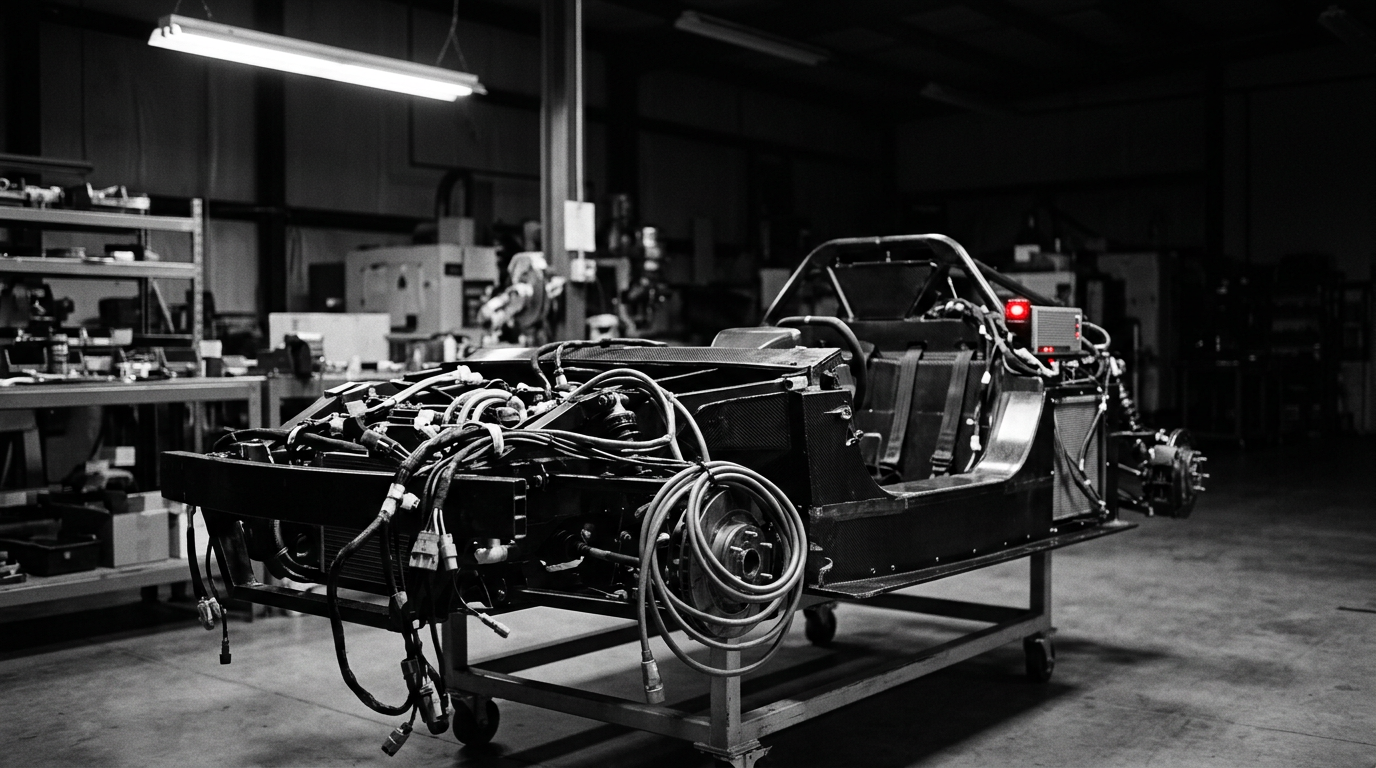
Tesla Roadster Reveal Puts R&D Risk Back in Focus Elon Musk's confirmation of a new Tesla Roadster, including speculative 'flying' technology and a planned October 1 event, re-introduced product pipeline uncertainty for investors. The commentary shifts focus from near-term execution on existing models to long-duration research and development projects. The market is now forced to weigh the promise of future innovation against the immediate costs of its development. ## Background Tesla stock has faced significant pressure in 2024. Investors have been focused on slowing demand growth for electric vehicles, increased competition, and the execution of the Cybertruck production ramp. The tape has shown concern over the company's ability to maintain its growth trajectory, with the narrative centered on core financial metrics. These include Earnings Per Share (EPS), a measure of a company's profit allocated to each share of stock, and forward guidance, which is management’s projection for future financial performance. A miss on either has been punished. Historically, Musk’s product announcements create significant volatility. Events like AI Day or the original Cybertruck unveil tend to polarize the market, splitting conviction between those who see groundbreaking innovation and those who see costly distractions. Tesla’s trading multiple, its stock price relative to its earnings, has compressed from its prior highs as the market increasingly values it on auto-manufacturing fundamentals rather than pure technology potential. This latest announcement fits the pattern of a high-concept reveal that forces analysts to re-model capital expenditure and timelines. ## Why it matters This announcement directly challenges the thesis that Tesla is shifting toward disciplined capital allocation to defend its market share. A focus on a niche, high-performance vehicle like the Roadster—let alone a version with SpaceX thrusters—diverts capital and engineering talent from the stated goals of scaling the Cybertruck and delivering a lower-cost, mass-market vehicle. It introduces a new variable for a company already juggling multiple operational challenges, from its full self-driving software to its robotaxi ambitions. Investors positioned for near-term margin stabilization and a recovery in delivery volumes are on the wrong side of this news. They were betting on operational efficiency, not a new, capital-intensive science project. This gives fresh ammunition to bears who argue that the company lacks focus and is over-leveraged to its CEO’s ambitions. For the broader EV sector, the move can be read as the market leader prioritizing a halo car over defending its core market, potentially ceding ground to competitors focused on affordability and scale. ## What to watch The key observable will be the company's Q3 earnings report and subsequent investor call, expected by October 31, 2024. This will provide the first official financial context following the planned October 1 Roadster event. If management provides a clear commercialization timeline for the new products without signaling a material increase in R&D expenses or a reduction in overall margin guidance, it would support a positive re-rating. Conversely, if the October event is purely conceptual and Q3 results reveal margin pressure from new, long-duration projects, expect the stock to face continued headwinds as the market prices in higher execution risk and delayed profitability.