

Terminix puts D.C. seventh as rat control questions remain
Terminix ranks D.C. seventh for rodent infestations, while questions remain about whether the city's pest-control measures are reducing rat numbers.
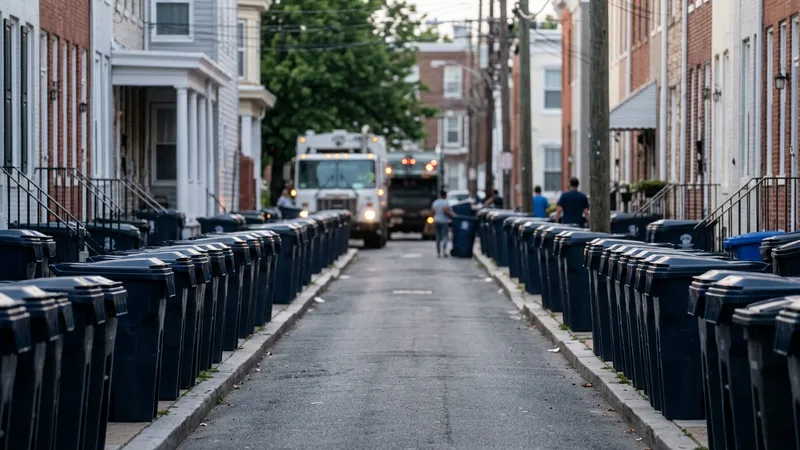
Terminix ranks D.C. seventh for rodent infestations, below Orkin's sixth-place assessment but short of evidence that the city's rats are declining.
The pest-control companies place Washington outside the five highest-ranked cities, a departure from its earlier position on Orkin's lists. The results offer a different picture from 2024, when rental platform RentHop put the capital first in its rat ranking.
Washington's rankings leave a measurement gap
Those placements describe Washington's standing against other cities, not a count of its rodents. The available material provides neither the companies' ranking methodologies nor population estimates that would establish whether the city's rat problem has diminished.
The distinction matters when comparing assessments from different businesses. Terminix's seventh-place designation and Orkin's sixth-place result are separate findings, rather than successive measurements from a single series; their proximity alone does not establish the direction or size of any change.
Washington's response includes bins designed to resist rodents, public information efforts and contraceptive bait. These measures feature in the city's campaign against rats, but the supplied account contains no evaluation connecting an individual intervention to the ranking results.
Contraceptive bait carries recurring costs
Terminix entomologist Emory Matts identified expense and continued consumption as practical considerations for rodent contraception. His assessment concerns the conditions under which the bait is used, rather than a documented result from Washington's program.
Matts said: "At roughly $1 per [contraceptive] sausage per day, it can add up pretty quickly, and they have to not get tired of eating them." That estimate is a daily cost for each sausage, not a figure for citywide spending.
No total budget, deployment scale or treatment duration is provided. Without those details, the unit price cannot establish the cost of Washington's approach or support a financial comparison with its bins and information campaigns.
If rodents continue consuming the contraceptive bait, maintaining that supply would remain a recurring expense under Matts's estimate. If they lose interest, his comments identify a practical obstacle: placing bait is not the same as ensuring the animals eat it.
Autumn food attracts unwanted visitors
Matts also pointed to seasonal food sources, including pumpkins and squash, as attractions for rats during fall. He described rats as eating where they find food, contrasting that behavior with squirrels' tendency to save provisions.
His examples extend beyond produce: Matts identified "peach-flavored candy and strawberry-flavored protein shakes" as foods rats favor. He also described rodents using waste to communicate with one another, an observation about their behavior rather than evidence of changes in Washington's infestation level.
For Washington, the unresolved issue is whether its combination of waste containment, public information and contraception produces a measurable reduction in rodents. Comparable infestation data and program results would help distinguish an improved ranking from an improvement residents experience.
More stories
- DC Throws Its Biggest Startup Party Yet, 103,900 Jobs Into the Worst Year on Record
- DC schools face labels after 2 years of subgroup gaps
- Regional flu data point to earlier activity, not severity
- National Theatre enters D.C. preservation review
- MARC riders face 25-minute delays after Rockville derailment
- DC firms face online licensing shift in October update
- DC reentry office loses director, 50, in scooter crash
- DC considers Commanders stadium bond sale of $526 million