Tata Sons board backs listing amid Trusts control fight
Tata Sons' board renewed N Chandrasekaran and backed a listing, intensifying a control fight with Tata Trusts before a required shareholder vote.
Raj Patel ·
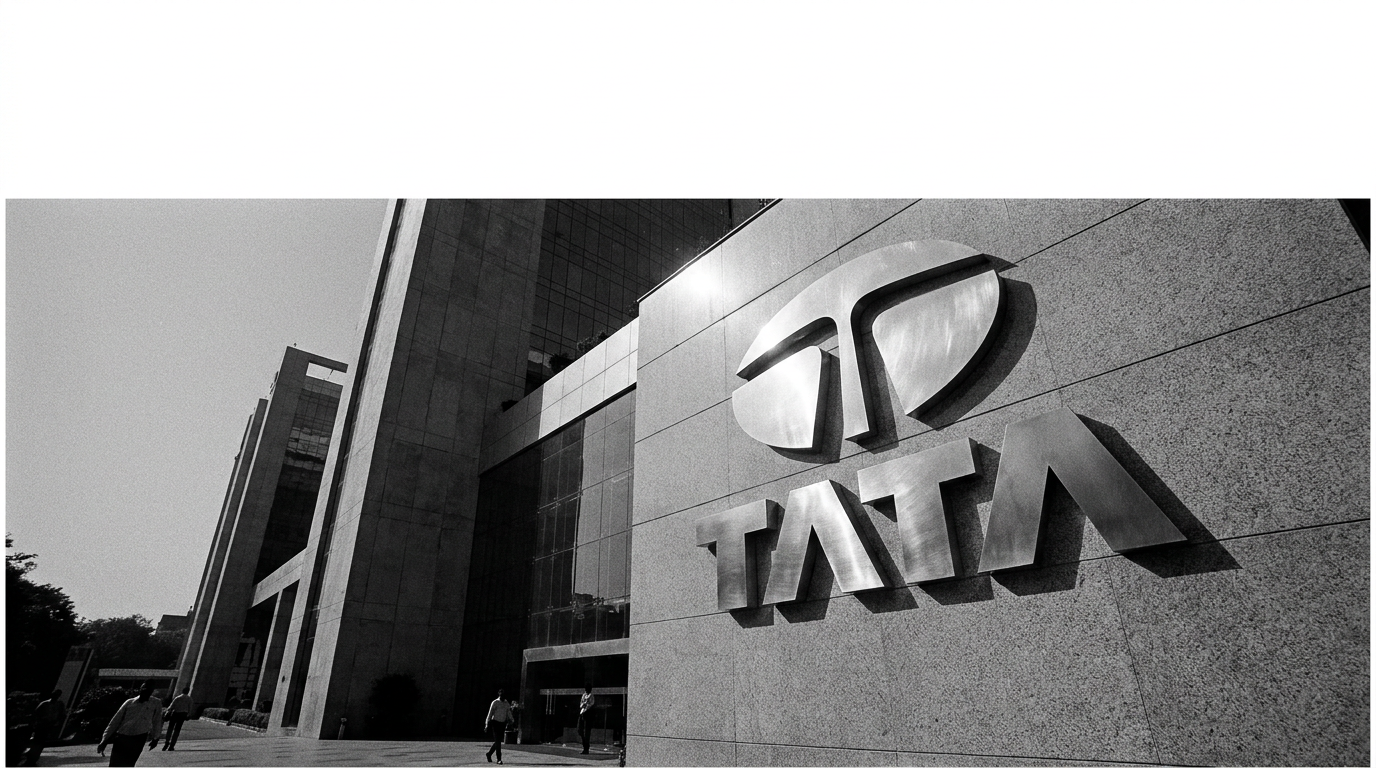
Tata Sons board backed N Chandrasekaran and a listing plan, intensifying a 66% shareholder fight over control of the holding company.
The decision puts the board of the 158-year-old group against Tata Trusts, its largest shareholder and the philanthropic owner of most of Tata Sons. Tata Trusts called the reappointment illegal under the company's articles of association and opposed a public listing.
Trusts control faces AGM test
The leadership dispute now moves toward an Annual General Meeting that has to be held before December 31, according to the source material. A previous meeting was adjourned for lack of quorum, and no new date has been announced.
Chandrasekaran's reappointment has board approval, but Tata Trusts' 66% holding means the vote could still become a test of shareholder control. If the Trusts vote against the resolution, the chairman's position would face a fresh uncertainty even after the board's backing.
The group has been through boardroom conflict before, but this dispute is broader than a single appointment. It combines governance rights, regulatory pressure and the question of whether one of India's most closely held business institutions can remain private.
RBI decision narrows Tata options
The listing pressure stems from a 2022 decision by the Reserve Bank of India to classify Tata Sons as an upper-layer non-banking financial company. That category applies to systemically important financial entities and created a public-listing obligation for the holding company.
Tata Sons tried to exit the framework by reducing debt and arguing that it does not borrow directly from public markets. The RBI rejected that application earlier this month after more than two years, according to the source material, moving the group closer to a possible stock-market debut.
The legal path is still unsettled. Potdar, cited in the source material, said the regulator lacks the power to force a company to list and argued that Tata Trusts would almost certainly challenge the matter in court.
The RBI has already approached the courts seeking to be heard first in any case tied to the listing. That step suggests the regulator expects litigation around the classification and wants its position considered before any order affects the process.
Charity model meets public markets
The strongest opposition centers on Tata Sons' ownership model. Supporters of keeping the company private argue that dividends from commercial units support hospitals, universities and research through Tata Trusts, rather than flowing mainly to outside investors.
A public listing could dilute the special rights that Tata Trusts exercises over the group. Potdar said a new shareholder base could press Tata Sons to retain cash for reinvestment instead of paying dividends, with hospitals among the first institutions exposed if distributions were reduced.
Critics of an IPO also point to the group's internal role as patient capital for long-cycle businesses. They argue that public investors would bring quarterly pressure to a holding company whose units include mature industrial assets, consumer brands and newer businesses that require sustained funding.
Air India and chips raise stakes
Chandrasekaran has tied several large capital commitments to India's ambition of becoming a developed economy by 2047. Those include the 2022 purchase of Air India, follow-up spending on the airline's turnaround, an $11 billion semiconductor plant and electronic assembly work for Apple.
Deven Choksey, managing director of Mumbai-based DRChoksey Finserv, said Tata Sons needs more than 290 billion rupees, or about $3 billion, each year to support loss-making businesses including Air India, Tata Digital and Tata Electronics. He also cited another 900 billion rupees for the semiconductor project, against annual dividends of a little over 300 billion rupees.
Choksey said a listing could help address that funding gap and estimated Tata Sons could command a gross valuation of more than 12 trillion rupees. The same prospectus process would require fuller disclosure of subsidiary losses, borrowings and turnaround costs, which opponents say makes timing central to the dispute.
If the listing proceeds under the RBI framework, Tata Sons would gain access to public equity while accepting wider disclosure and shareholder scrutiny. For India's corporate sector, the case would set a reference point for how regulators treat large private holding companies with financial characteristics.
If Tata Trusts slows the process through litigation, the company could preserve its private structure for longer while the leadership vote and capital plans remain contested. The main open questions are whether the AGM backs Chandrasekaran, how courts read the RBI's authority and whether Tata Sons can fund its new ventures without weakening the Trusts' dividend model.