Venezuela talks target Supreme Court and frozen assets
Venezuela talks produced preliminary understandings on TSJ overhaul and using frozen assets for June 24 earthquake recovery, officials said.
Atlas Newsdesk ·
Venezuela’s government and opposition wrapped up six days of formal negotiations in Caracas on Wednesday, reopening high-level dialogue months after the January 3 removal of former President Nicolas Maduro, officials said. The sessions were held at the Gran Melia hotel and ended with what officials described as preliminary understandings that pair short-term recovery goals with broader institutional changes.
A key near-term item discussed was a plan to use frozen foreign assets to support recovery after the June 24 earthquakes. Officials said the arrangement remains preliminary, and the parties did not publish a timetable or outline how any funds would be accessed, protected, or distributed.
Supreme Tribunal of Justice reform placed at the
Frozen assets linked to June 24 earthquake recovery
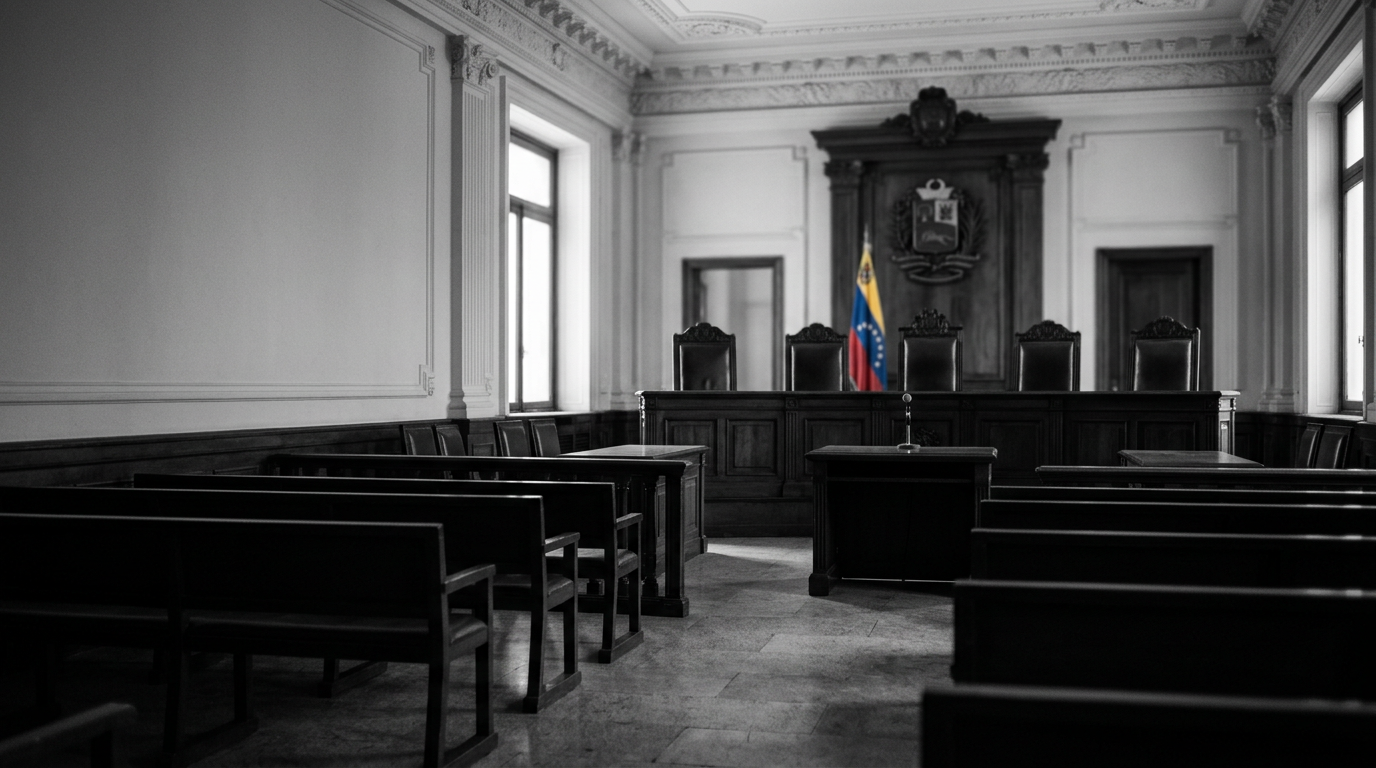
People familiar with the negotiations said the asset-related People familiar with the negotiations said the asset-related understanding was framed as a practical step that could advance even if wider political questions remain contested. In that approach, channeling resources into national recovery would serve as an early deliverable alongside longer-running talks on institutional reform. However, the publicly available details leave major operational issues unresolved. Based on what has been disclosed, it is not clear which assets would be included, where they are held, or what legal and financial safeguards would govern any release of funds or subsequent disbursements. Supreme Tribunal of Justice reform placed at the center The most consequential institutional proposal described from the talks concerns the Supreme Tribunal of Justice (TSJ). The framework under discussion would replace all current magistrates and create an independent body to screen future candidates for the court. Analysts characterized the TSJ proposal as a major prerequisite for long-term democratic stability. They pointed to the court’s historical alignment with the executive branch and said that changing how magistrates are selected and reviewed could reshape institutional checks and balances if the plan is implemented as outlined.
U.S. involvement and an uncertain path to implementation
Officials said this round differed from at least 17 earlier reconciliation efforts because the United States was directly involved. According to officials, the U.S. government has described the dialogue as a transition process. Acting President Delcy Rodriguez continues to lead the The negotiations took place in an unstable political environment. Acting President Delcy Rodriguez continues to lead the government, while civil society groups and labor sectors have maintained protests seeking economic relief and electoral reform.
Officials said public pressure has been amplified by severe hyperinflation and broader systemic instability. The talks ended without public clarity on how quickly the preliminary understandings could translate into concrete measures, leaving implementation risk and political uncertainty as the immediate backdrop to the next phase of discussions.