Syria's Reconstruction Drive Amidst Israeli Strikes
Syria maintains military restraint against Israeli strikes, prioritizing economic recovery and reconstruction after its removal from the U.S. terrorism list.
Lauren Collins ·
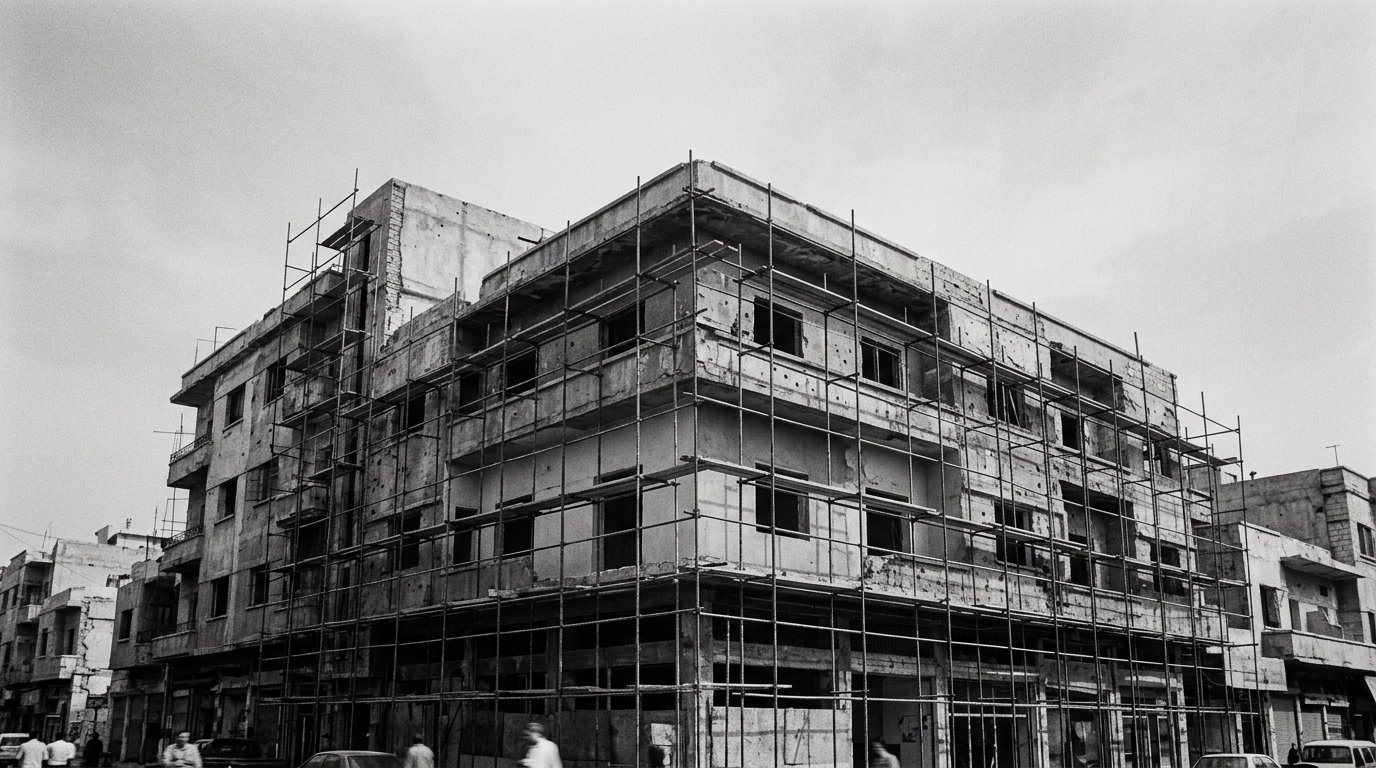
The Syrian government is deliberately exercising military restraint in the face of ongoing Israeli cross-border strikes, a strategic decision aimed at prioritizing national reconstruction and broader economic recovery. This policy remains active even following recent incidents, including shelling near Beit Jinn and aerial assaults targeting the Abu al-Duhur military base. Damascus seeks to leverage its recent removal from a key U.S. designation and the easing of various Western sanctions to facilitate rebuilding efforts across the country.
Officials, led by Ahmed al-Sharaa, view economic stability and reintegration into the international community as fundamental to restoring the nation's capacity. The approach underlines a significant shift towards economic imperatives over immediate military confrontation, hoping to attract crucial investments needed for post-conflict recovery.
Economic Imperatives Guiding Policy
Rebuilding Syria's damaged infrastructure is estimated by the World Bank to require approximately $216 billion. To secure this substantial investment, the current Syrian leadership is focused on re-establishing connections with global banking systems and stabilizing its critical energy supplies. This economic-first strategy has gained considerable momentum, particularly with Washington's broad Syria sanctions program slated for dismantling in 2025. Additionally, the European Union has lifted general economic sanctions, though specific targeted measures persist.
A pivotal development occurred on August 24 when Syria was officially removed from the U.S. terrorism list. This action has created new opportunities for financial normalization and potential re-engagement with international entities, signaling a pathway towards broader economic acceptance and investment. The move is seen as critical to unlocking the financing necessary for large-scale reconstruction projects.
Navigating a Complex Strategic Dilemma
Syria's reliance on international legitimacy and funding presents a multifaceted strategic challenge. While military restraint fosters an environment conducive to economic recovery and investment, it simultaneously permits Israel to continue targeting developing Syrian military assets. Israeli officials have reportedly pushed for the demilitarization of southern Syrian provinces, with Prime Minister Benjamin Netanyahu specifically advocating for the demilitarization of Quneitra, Deraa, and Suwayda.
These demands also encompass opposition to new Syrian army deployments south of Damascus and efforts to curtail military cooperation with Turkey. This sustained pressure underscores the delicate equilibrium Damascus must maintain between its urgent need for economic recovery and the imperative to uphold national security and sovereignty. The strategic choice involves balancing immediate economic gains against long-term defense capabilities.
Sovereignty and Legitimacy Concerns
The long-term viability of Syria's current non-confrontational stance remains uncertain. Israel consistently perceives any resurgence of Syrian military capacity as a direct security threat, potentially leading to continued preemptive actions. Damascus faces a dual risk: the possibility of permanent encroachment on its sovereign territory and a gradual erosion of domestic public support.
A perceived inability to effectively respond to Israeli military operations could, over time, undermine the government's political legitimacy among the Syrian populace. This factor is particularly critical as the administration works to rebuild a cohesive national security architecture from what are described as dysfunctional institutions, complicating efforts to project strength and stability both domestically and internationally. The careful management of these internal and external pressures will be crucial for Syria's future trajectory.