Swedish Election Results Point to Parliamentary Deadlock
Sweden's general election has resulted in a near-tie, leaving the formation of a new government uncertain and likely to face significant negotiation delays.
Lauren Collins ·
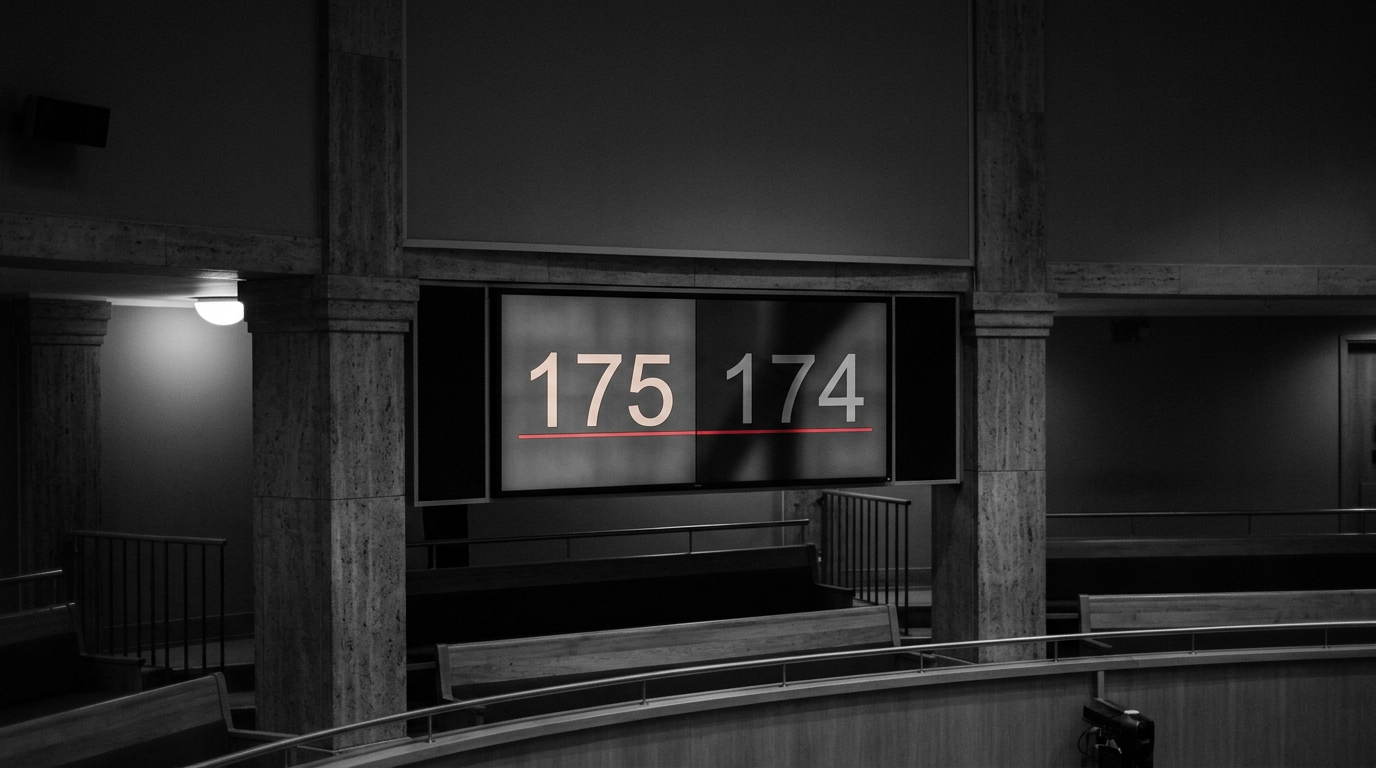
Sweden's general election has resulted in a near-tie between the incumbent center-left government and the opposition bloc. Current projections indicate the opposition holds a narrow 175-seat lead against 174 seats for the government coalition, signaling a period of political uncertainty.
This marginal difference suggests protracted coalition negotiations and potential delays in policy implementation. The final outcome remains subject to change as additional district votes are processed and verified across the country.
Narrow Margins Create Instability
The Social Democratic Party leads with 27.6% of the vote, with the Moderate Party securing 20.0%. The far-right Sweden Democrats garnered 17.5%, positioning the party as a significant force in future parliamentary governance and potential legislative alliances.
The absence of a clear mandate has elevated institutional risk. Policymakers should anticipate potential volatility in domestic governance until a formal government can be established through negotiations.