Sweden election forces Kristersson out after bloc defeat
Prime Minister Ulf Kristersson resigned after Sweden election results gave the center-left opposition 176 of 349 seats, three more than his bloc.
Claire Dubois ·
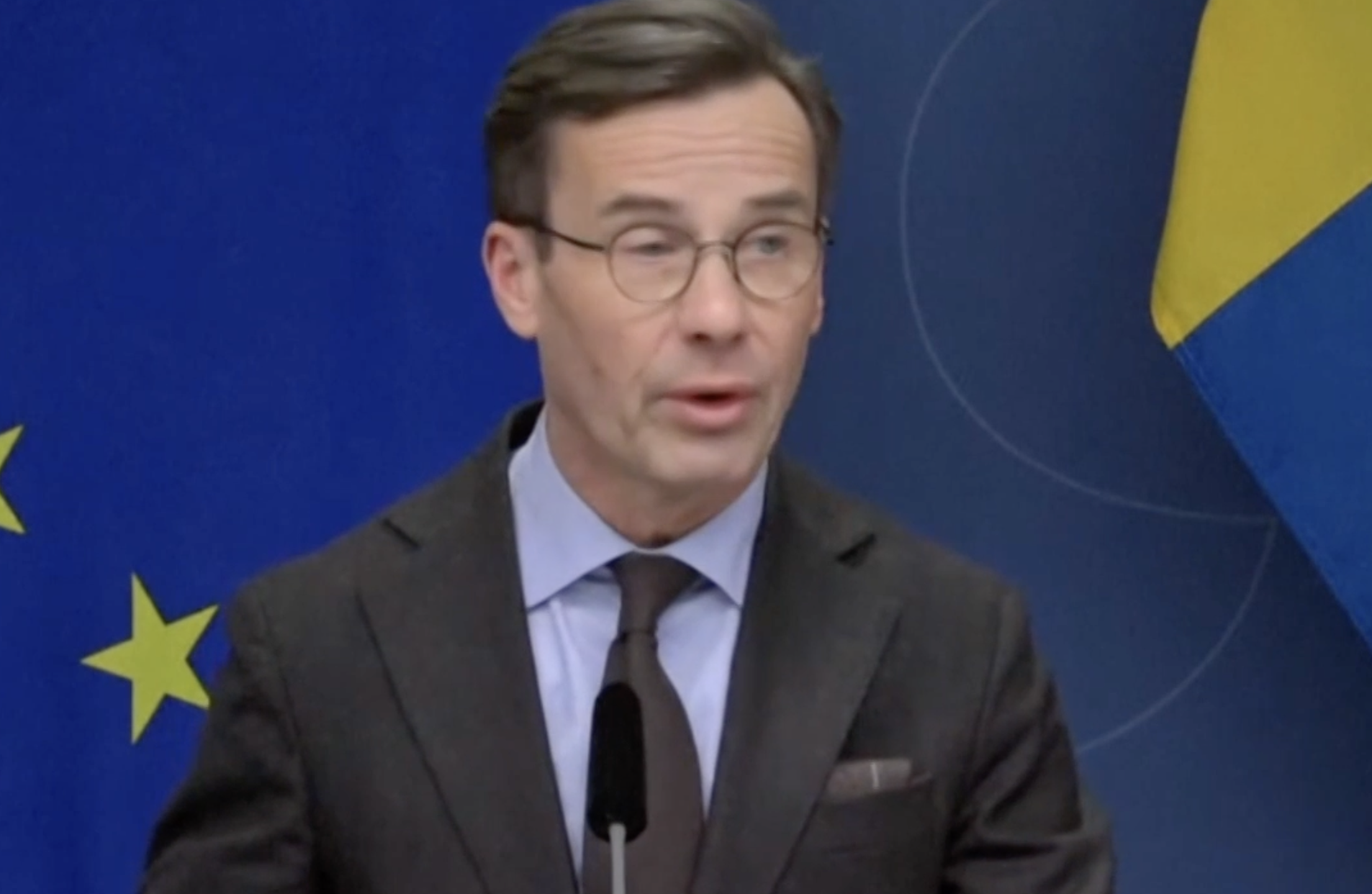
Sweden election results pushed Prime Minister Ulf Kristersson to resign after the opposition won 176 of 349 seats, enough for control.
A three-seat parliamentary split
The final count gave the center-left opposition 176 seats in the 349-seat parliament, one more than the 175 needed for a majority. Kristersson’s right-wing bloc finished with 173 seats, three fewer than its rivals.
The resignation converts a narrow election result into a governing transition. With only a three-seat gap between the blocs, the next government’s room for error will be limited if the opposition bloc holds together.
Sweden Democrats backed coalition
Kristersson’s coalition had governed with support from the Sweden Democrats, giving the right-wing bloc the parliamentary backing needed to pursue its agenda. Migration policy was central to that program, with the government moving toward tougher rules during its time in office.
The result places those migration measures at the center of the handover. If the center-left bloc forms the next government on the strength of its 176 seats, the policy question is whether it slows, revises or preserves parts of the stricter approach.
A 176-seat path ahead
The opposition’s majority is arithmetically clear but politically narrow. A bloc holding 176 seats can pass measures if its members stay aligned; defections, abstentions or internal splits would quickly weaken that margin against a 173-seat right-wing opposition.
For Kristersson, the immediate effect is a move from governing authority to opposition leadership, unless his bloc changes its parliamentary position. For the Sweden Democrats, the loss narrows the route through which they influenced national policy from outside or alongside government.
The wider migration-policy sector now faces a less settled operating environment. Agencies, municipalities and employers exposed to migration rules will be watching whether the center-left opposition treats the election as a mandate for policy reversal or for narrower changes to the existing framework.
If the center-left bloc stays unified, the global macro channel is likely to run through policy expectations rather than the election arithmetic itself: migration rules can affect labor supply, public spending and long-term capacity. Under that scenario, Kristersson’s bloc would contest policy from opposition while the broader sector adjusts to a new governing center.
If the 176-seat bloc fractures, Sweden could face a slower and more constrained transition. That path would leave Kristersson’s side with more leverage in parliament, keep migration policy contested and give markets and global observers fewer clear signals on fiscal and labor-policy direction.
The main open question is whether the opposition can keep its 176-seat majority cohesive after the resignation. The answer will determine how quickly Sweden moves from the election result to a working government and how much of the previous migration agenda survives.