Sweden Deports 458 Britons Over Post
Swedish authorities have deported 458 British citizens following rejected post-Brexit residency applications, per the Swedish Migration Agency.
Lauren Collins ·
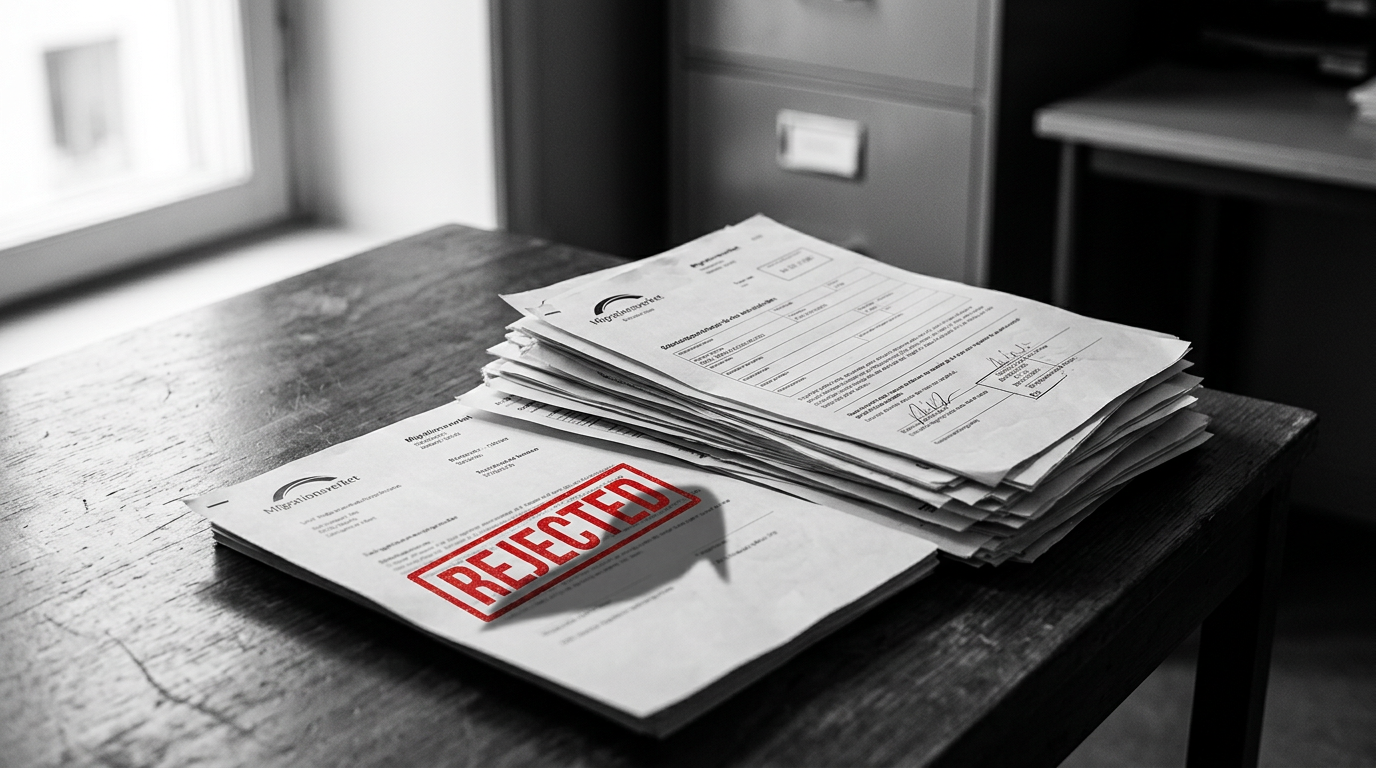
Swedish authorities have deported or forcibly removed 458 British nationals since the United Kingdom formally exited the European Union. These actions are a direct consequence of rejected residency status applications filed under the Brexit withdrawal agreement, according to recent data published by the Swedish Migration Agency. The agency confirmed these figures, emphasizing Sweden's rigorous approach to post-Brexit residency requirements for long-term UK residents. Many of these application rejections have resulted in mandatory deportation orders, significantly affecting individuals who had established their lives in Sweden before the UK's departure from the EU.
High Rejection Rates and International Disparity
Statistics indicate that Sweden processed 14,233 applications for residency status from British citizens. Of this total, approximately 4,000 were ultimately denied. This rejection rate stands notably higher than the European Union's average, which typically ranges between 3% and 4% for similar applications across other member states. The UK's Foreign, Commonwealth and Development Office (FCDO) has highlighted that late residency applications in Sweden face a particularly stringent approval threshold. Based on FCDO analysis, Sweden's strict interpretation of the withdrawal agreement's provisions has led to a refusal rate roughly three times higher than that observed in any other EU member state.
The Swedish Migration Agency asserts that its application of the law remains consistent with practices in other EU member states. However, the administrative measures implemented have generated substantial consequences, including instances of family separation and the issuance of re-entry bans for those who do not comply with removal orders. Advocacy groups have raised concerns, suggesting that the current reported figures may not fully encompass the total number of individuals impacted by these rigorous residency requirements.
Government Review and Personal Impact
In response to these developments, the Swedish government is currently conducting a review of its implementation of the withdrawal agreement. This review aims to assess whether additional measures are necessary to address the ongoing administrative challenges and their broader impact on British citizens residing within Sweden. The significant disparity between Sweden's rejection rate and the broader EU average underscores a wider issue within the post-Brexit landscape regarding the practical implications of new residency regulations for UK nationals in EU countries.
These cases frequently involve individuals who have lived in Sweden for many decades, highlighting the profound personal toll of these policy decisions. The FCDO's observations about Sweden's stricter approach compared to other member states suggest a divergence in how the Brexit withdrawal agreement's provisions are being applied across the bloc. Such variations can lead to inconsistent outcomes for British citizens seeking to retain their residency rights post-Brexit, creating uncertainty and distress for those affected.