Bird Flu Outbreak Expands Across Southern Australia
Bird flu H5 has expanded into suspected events in Victoria after confirmed South Australia cases, with officials expecting more wildlife impacts in weeks.
Atlas Newsdesk ·
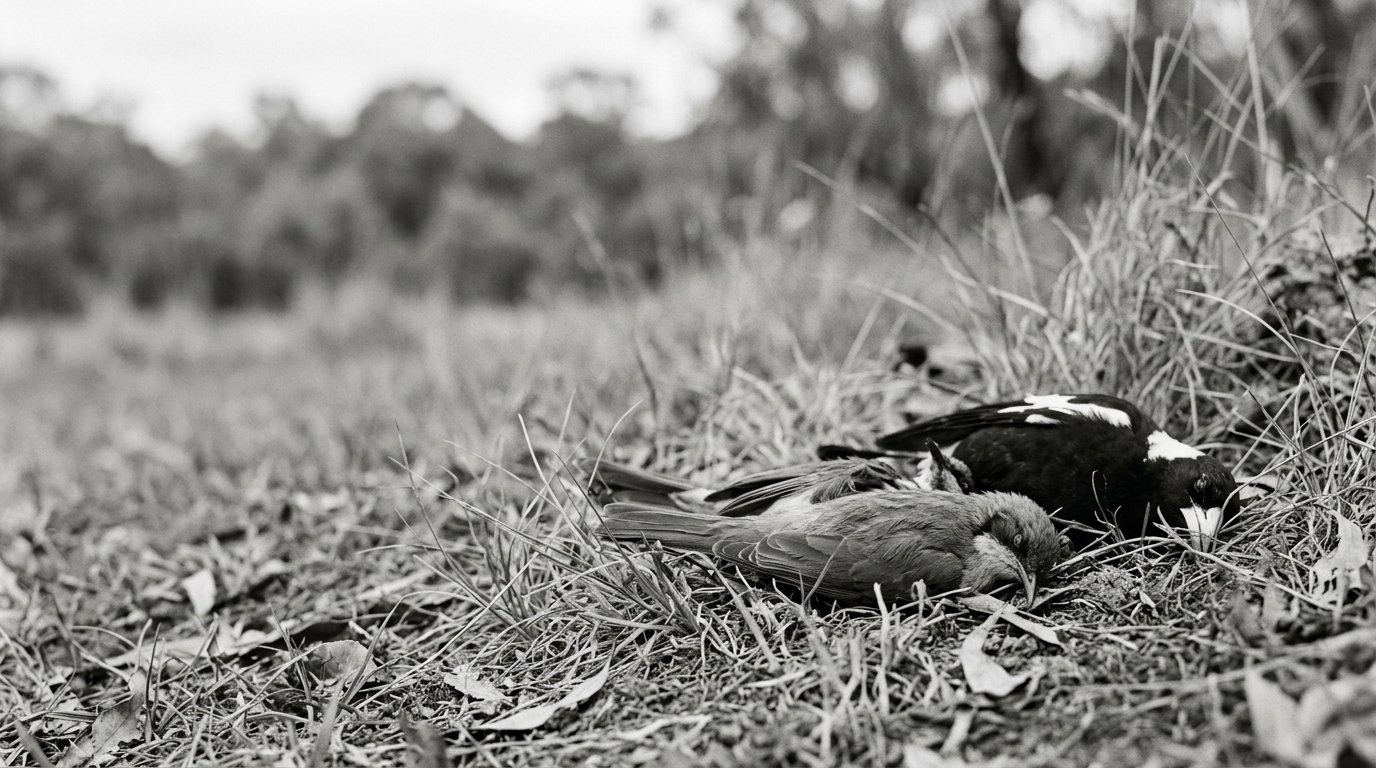
Australian authorities are investigating suspected mass bird deaths in Victoria after confirmed H5 bird flu outbreaks in South Australia, widening concern about the virus moving through wild bird populations in the country’s south.
The Victorian government said it found clusters of dead and sick greater crested terns near the Glenelg River estuary and at Lawrence Rocks over the weekend. Officials described the findings as suspected mass mortality events and said checks were under way to understand the scale of the cluster.
Victoria detects sick and dead greater crested terns
State veterinary officials are carrying out ground surveillance in the affected areas, according to authorities. The aim is to assess how many birds have been impacted and to track any additional sites where illness or deaths may be occurring.
The Victorian reports come soon after confirmed detections in South Australia. Officials have treated the Victorian events as a significant escalation in the geographic spread of the virus, given the distance between the locations and the coastal setting of the latest findings.
CSIRO confirms H5 in South Australia after deaths at Baudin Rocks In South Australia, science agency CSIRO confirmed that testing identified the H5 strain at Baudin Rocks. Authorities said about 50 birds died at that site before the confirmation.
Officials have pointed to the natural movement of wild birds as a key factor in transmission. Migratory patterns can link coastal and wetland habitats, complicating containment and increasing the risk that new mortality events will emerge in other locations.
Breeding colonies and wetlands placed under heightened monitoring
Authorities said the latest detections are close to sensitive breeding colonies and wildlife habitats, including Australasian gannets and seal sites. That proximity has driven heightened monitoring around wetlands described as internationally significant.
Federal Environment Minister Murray Watt said Australia should expect wildlife to be affected for an extended period as the virus passes through native populations. Officials also said they anticipate additional cases in the coming weeks while the virus continues circulating among wild avian species.
For now, surveillance activity is focused on confirming the extent of the Victorian cluster and watching for further spread along coastal and wetland regions. Authorities have not detailed the final outcomes of testing related to the Victorian reports, leaving uncertainty about the full scale and confirmed status of the suspected mortality events.