Subzero kidney storage keeps organs viable for 72 hours
Subzero kidney storage at -4°C kept kidneys viable for up to 72 hours in pigs, outperforming 4°C storage and potentially reducing discards.
Atlas Newsdesk ·
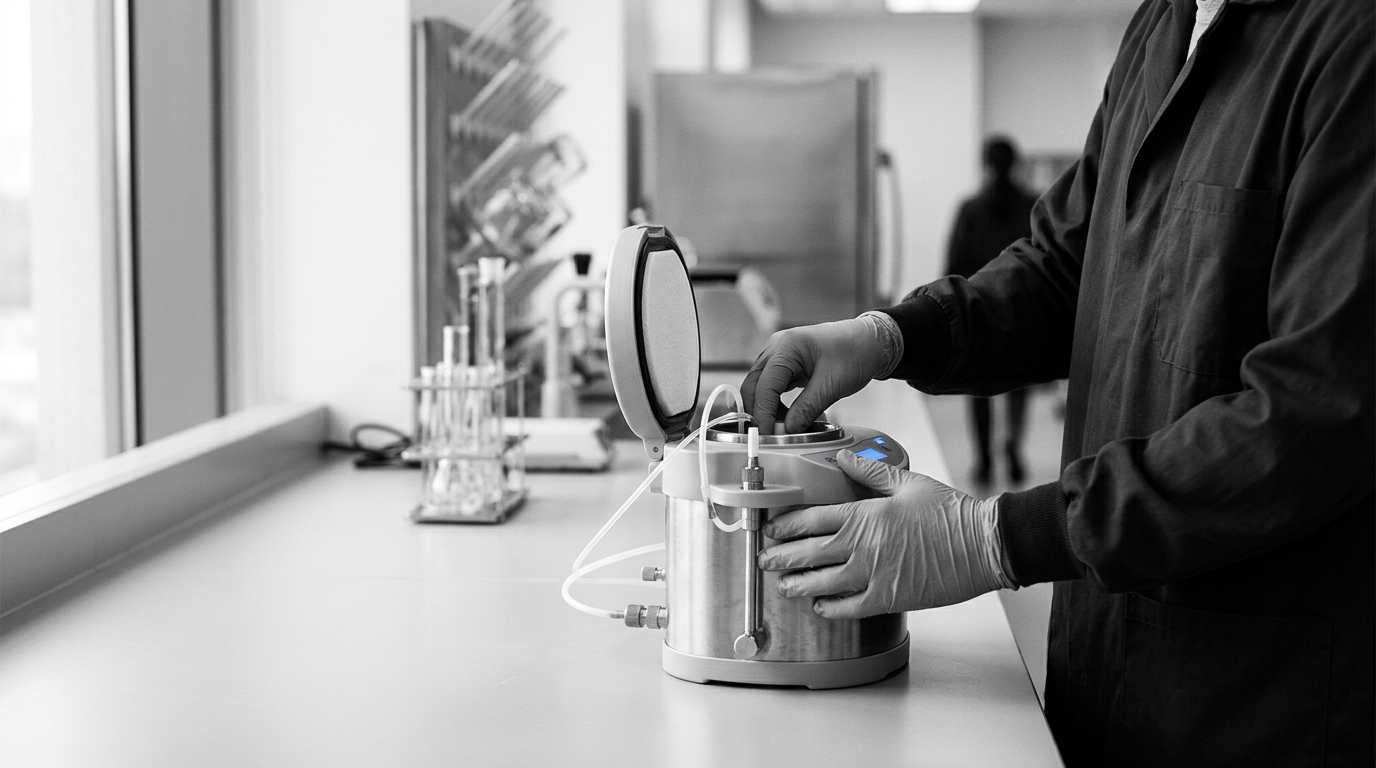
Researchers have shown that kidneys can remain viable after being stored at -4°C for as long as 72 hours , a result that could reshape how transplant teams manage time-sensitive organ transport. The approach relies on supercooling—holding tissue below the usual freezing point while avoiding ice—and was tested in porcine transplant models.
According to the research team, the key technical step was preventing ice formation without relying on chemical cryoprotectants, which are widely viewed as a barrier to straightforward clinical use. The kidneys were kept in pressure-controlled, hermetically sealed chambers designed to maintain a stable supercooled state during storage.
How the supercooling method differs from current practice
Standard clinical storage for kidneys is typically around 4°C , a temperature that slows metabolism but still leaves organs vulnerable to time-dependent deterioration. The researchers reported that, in their porcine comparisons, kidneys preserved at -4°C using the supercooling system recovered function better than those stored under the 4°C standard.
The team also reported a notable performance milestone at the longest tested duration. Kidneys held for 72 hours showed immediate function after transplant and continued long-term growth, indicating that the extended storage period did not prevent recovery in this animal model.
Implications for transplant logistics and organ availability
The findings target a well-known logistical bottleneck: maintaining organ quality during transit from donor to recipient. The researchers highlighted that roughly one-third of donated kidneys are discarded because they degrade before they can be transplanted, making preservation time a major point of loss in the system.
In that context, moving beyond what the researchers described as a current 24-hour limit could change how organs are allocated and transported. A longer viable window may allow more flexibility in matching donors and recipients and could support longer-distance shipping without pushing organs beyond acceptable condition.
What is known, and what remains uncertain What has been demonstrated in the reported work is a proof of viability in porcine transplants, with storage at -4°C for up to 72 hours and functional outcomes that compared favorably against 4°C storage. The storage chambers were described as pressure-controlled and hermetically sealed, with the of preventing ice formation without chemical cryoprotectants.
At the same time, the results described are limited to animal models, and the source material does not include human clinical outcomes. The timeline, regulatory pathway, and practical integration into existing transplant workflows were not detailed in the reported summary.