Dementia Patients Face Hospital Restraints in England
A study reveals dementia patients in English hospitals routinely face restraints and non-consensual sedation, prompting calls for reform.
Ayla Demirhan ·
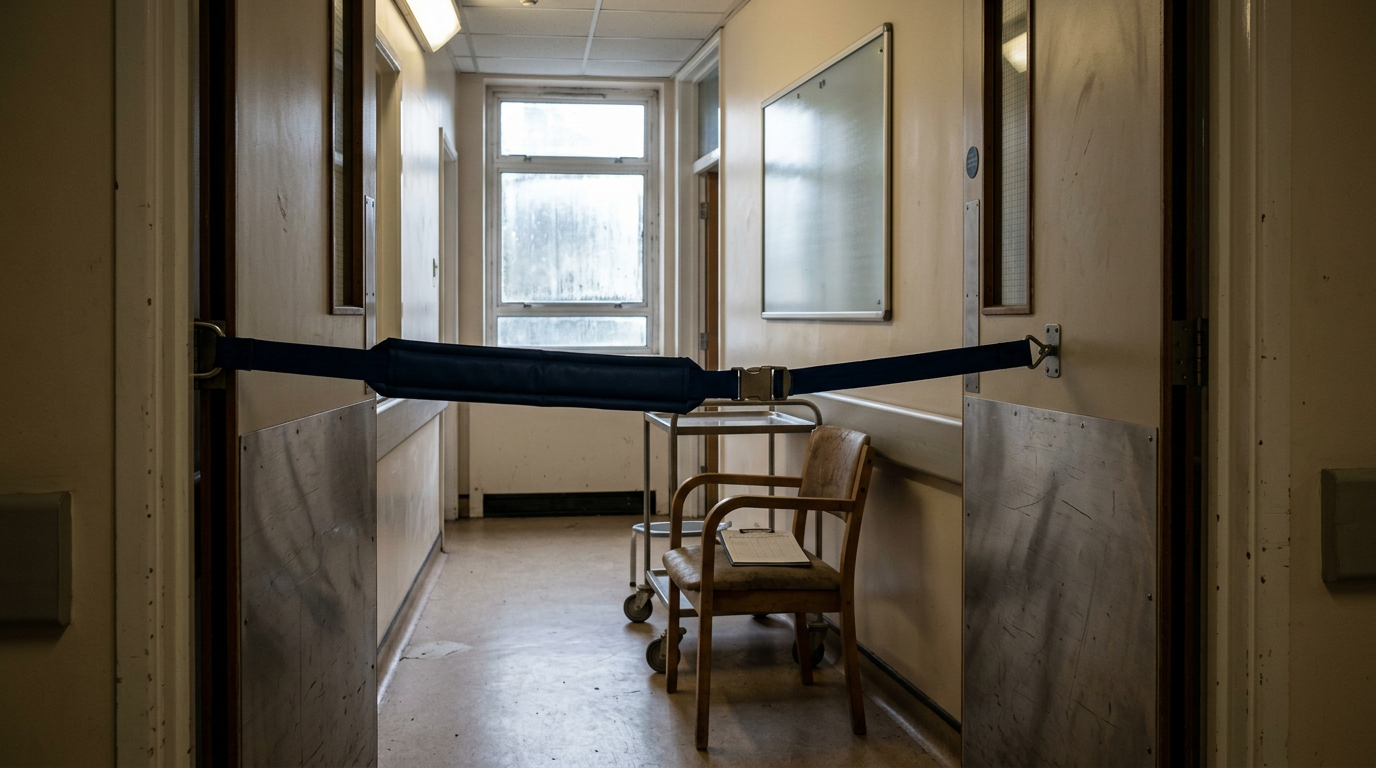
A recent academic study has revealed that patients with dementia in English hospitals frequently experience restrictive interventions, including physical restraints and sedation without explicit consent. Researchers from the University of West London conducted extensive ethnographic observations across nine National Health Service (NHS) wards, documenting these practices as a regular component of inpatient care.
This comprehensive analysis, spanning 225 days of direct observation and over 1,000 interviews with healthcare personnel, identified various forms of restraint. These included the use of raised bedside rails, deliberate obstruction of patient pathways, verbal directives, and the administration of sedatives without patient agreement. The study indicated that many hospital staff often do not recognize these actions as restrictive due to their normalized integration into daily routines.
Rationale and Impact of Restraints
Healthcare professionals frequently cited patient safety protocols and concerns regarding institutional liability as primary justifications for employing these measures. However, the report underscores that such practices can exacerbate negative outcomes for patients, leading to increased agitation and emotional distress. The findings suggest a systemic issue where the routine application of restraints overshadows their potential harm.
Prevalence of Dementia in Hospitals
Government statistics highlight the significant presence of dementia among hospitalized individuals. Up to 50% of all acute hospital admissions involve patients who are also living with dementia, underscoring the widespread relevance of these care practices. This demographic reality necessitates specialized approaches to patient management that prioritize dignity and well-being.
Recommendations for Improved Care
The study proposes alternative strategies to mitigate the reliance on restrictive interventions. These include promoting supported walking for patients and enhancing patient engagement through tailored activities. Such recommendations aim to foster a care environment that minimizes physical and chemical restraints, aligning with person-centered care principles.
Official Guidance and Challenges
NHS England has affirmed that restrictive practices should only be implemented as a final option when patient safety is critically at risk. The organization has issued guidelines and training materials to staff, advocating for less restrictive care methodologies. Despite these directives, organizations like Dementia UK point to inconsistencies in the care provided to dementia patients within acute settings.
These inconsistencies are often attributed to systemic pressures within the healthcare system and a perceived deficit in specialized knowledge among staff members regarding dementia care.
Moving Towards Less Restrictive Practices
The findings call for a re-evaluation of current practices and a renewed focus on training and resource allocation to support non-pharmacological and non-physical interventions. Implementing these changes could significantly improve the quality of care and overall experience for dementia patients in English hospitals, fostering an environment that respects patient autonomy while ensuring safety.
Implications
Country Impact: The findings suggest a need for policy review and enhanced training within the English NHS to address the routine use of restraints on dementia patients. This could lead to revised care protocols and increased investment in specialized dementia care units.
Industry Impact: The healthcare sector, particularly acute care hospitals, faces pressure to adopt less restrictive practices and improve staff education on dementia-specific care. This may drive demand for new care models and technology aimed at patient engagement and safety without restraint.
Market Impact: Increased focus on non-pharmacological interventions could shift demand in the medical supply market away from physical restraints and towards assistive technologies or specialized staffing solutions. Investment in dementia care training programs may also see growth.