Survey shows China manufacturing grows while consumers stall
China manufacturing PMI strengthened more than expected, but the pickup was led by exports and AI-linked demand while housing and consumption stayed weak.
Atlas Newsdesk ·
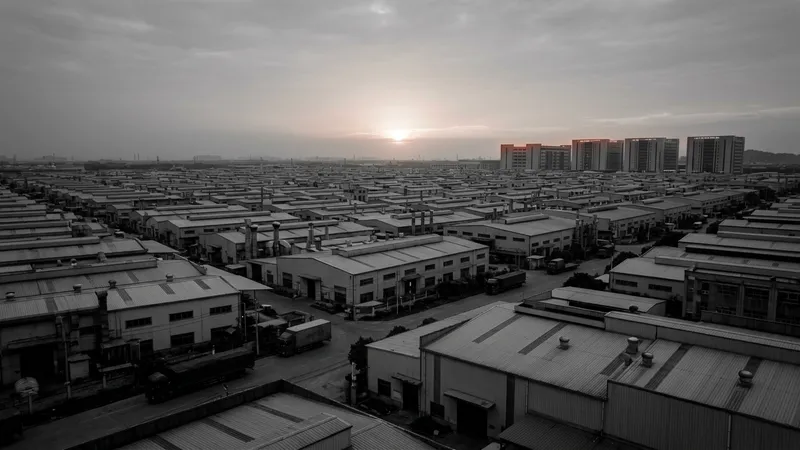
China manufacturing PMI improved more than expected this month, underscoring a recovery powered by overseas demand rather than domestic spending.
The survey data pointed to a widening gap between export-oriented industries and weaker pockets of the economy, including property-related activity and consumer-facing sectors. Economists said the latest reading reinforces a “two-track” pattern in which factories benefit from global demand while households and real estate remain under pressure.
Export and AI-linked orders lift factory activity
Analysts attributed much of the stronger-than-forecast manufacturing momentum to the global wave of investment tied to artificial intelligence and the broader export machine. Demand connected to AI infrastructure has lifted production in parts of the industrial supply chain, helping offset softness elsewhere.
The same theme has supported China’s exporters more generally, with external orders playing a larger role than local consumption in sustaining output. The PMI surprise therefore does not necessarily signal a broad-based rebound, economists cautioned, because it reflects stronger demand channels that are less dependent on domestic confidence.
One Bank of America economist, speaking to CNBC, said the latest data dimmed hopes that the economy is shifting toward a healthier balance led by household demand. That assessment highlights a policy challenge for Beijing: growth is arriving, but from segments that can be volatile if global conditions change.
Real estate and consumer sectors remain sluggish
Outside manufacturing, signs of weakness persisted. Real estate construction contracted, according to the update referenced in the report, keeping pressure on an industry that has weighed on activity for several years.
Consumer spending was also described as lackluster, reinforcing the view that household demand remains subdued. When consumers hold back, services and retail-oriented businesses struggle to gain traction even if factories report stronger production.
Additional caution flags emerged from the electronics sector. Nikkei reported that leading Chinese smartphone brands have been cutting their sales targets for 2026, a signal that major manufacturers may be planning for slower medium-term demand growth in a key consumer category.
Together, these developments portray an economy advancing unevenly: industrial output linked to exports and new technology themes is holding up, while property and consumer sentiment lag. The result is a split cycle that complicates decision-making for companies and policymakers.
Policy focus turns to the next Politburo meeting
With the economy showing both resilience and weak internal demand, attention is shifting to the next Politburo meeting for clues on additional support. ING’s chief China economist said analysts are watching for signals that a new stimulus package could be considered.
Any potential measures would likely be assessed against the backdrop of the current pattern: manufacturing strength tied to external drivers alongside domestic softness. If policymakers prioritize stabilizing growth, they may look for ways to bolster household consumption and support sectors tied to property and services without re-igniting the excesses that contributed to earlier imbalances.
The near-term implication is that markets and businesses may continue to price China as an export-strong, demand-weak economy until new policy guidance emerges. The next set of official meetings and the following month’s data will be closely watched for evidence that domestic activity is firming, or that further targeted support is on the way.