Oil Prices Exceed $100 Amid Hormuz Closure
Oil prices surged past $100 per barrel after Iran's effective closure of the Strait of Hormuz, impacting global supply.
Atlas Newsdesk ·
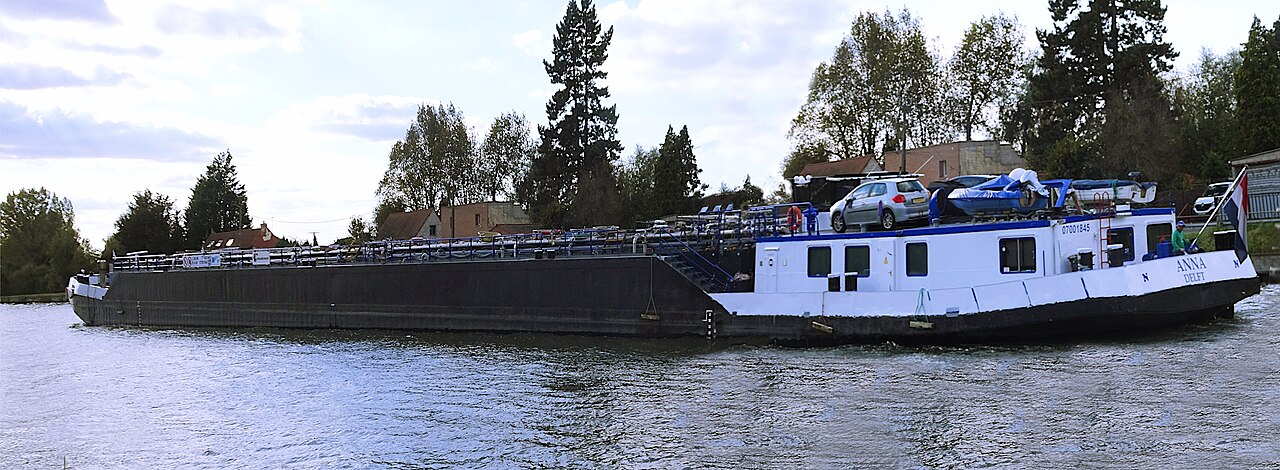
Global crude oil prices have surpassed $100 per barrel, reaching a two-year high, following the effective closure of the Strait of Hormuz by Iran. This development, coupled with retaliatory strikes by the United States and Israel against Tehran on February 28, has severely disrupted maritime traffic through the vital chokepoint. The strait is crucial for approximately one-fifth of the world's oil supply, and its obstruction has led to a significant reduction in tanker movements.
In response to the escalating crisis, the International Energy Agency (IEA) initiated its largest-ever coordinated emergency oil release. This measure involved drawing 400 million barrels from strategic reserves. However, this substantial release has not managed to significantly stabilize or reduce the surging oil prices.
Geopolitical Escalation and Supply Disruptions
Geopolitical tensions in the region have intensified. On March 12, a foreign tanker transporting Iraqi fuel oil sustained damage near Basra due to unidentified attacks. Subsequently, on March 14, U.S. forces conducted over 90 strikes targeting Iranian military installations on Kharg Island, a key Iranian oil export terminal. Reports indicate that the oil infrastructure itself was not directly hit during these operations.
Market Reactions and Production Halts
The current situation underscores the fragility of global energy markets to geopolitical instability in critical transit regions. The sustained high oil prices reflect market concerns over prolonged supply disruptions and the potential for further escalation in the Middle East. Analysts are closely monitoring diplomatic efforts and military developments for any signs of de-escalation or further confrontation that could impact global energy security.
Outlook and Economic Implications
Implications
Country Impact: Nations heavily reliant on oil imports, particularly in Asia and Europe, face increased energy costs and potential supply shortages, impacting their economic stability and inflation rates. Governments may need to consider domestic energy policies and strategic reserves.
Industry Impact: The oil and gas industry is experiencing significant volatility, with producers in the Middle East halting operations and declaring force majeure. Shipping and logistics sectors face increased risks and costs for maritime transport, while energy-intensive industries globally will see higher operational expenses.
Market Impact: Global financial markets are reacting to heightened geopolitical risk, leading to upward pressure on crude oil prices. This could trigger inflationary concerns, potentially influencing central bank monetary policy decisions and impacting equity markets, bond yields, and currency valuations.