Stocks Just Hit a Record — Even With War and $4 Gas
The S&P 500 reached a new high as investors brushed aside war risks and rising energy costs, signaling confidence that economic momentum will hold.
Atlas Newsdesk ·
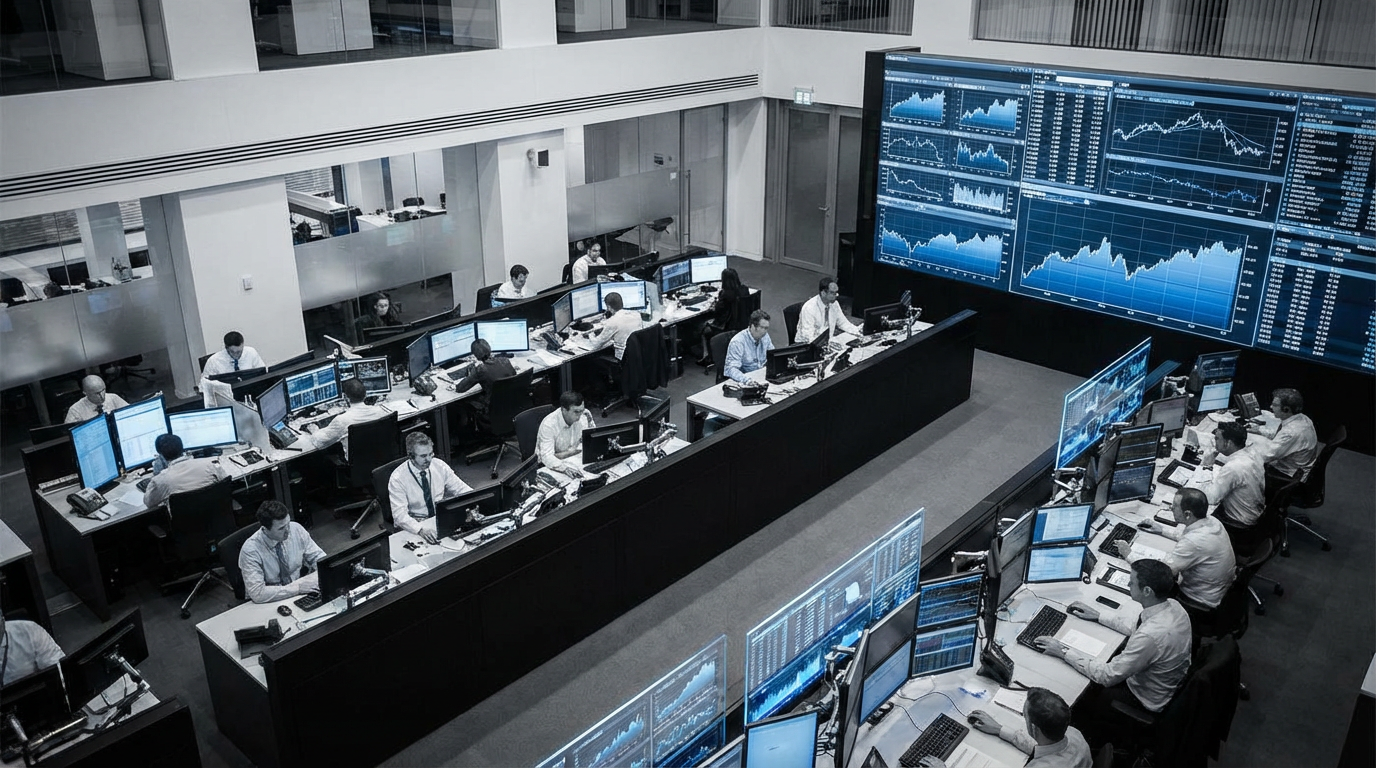
The S&P 500 closed at a record 7,022.95 on Wednesday, rising 0.8% and surpassing its previous peak from late January. The move caps a sharp rebound after the index fell nearly 10% between late January and March 30, when escalating conflict involving Iran rattled global markets and sent oil prices sharply higher.
The Nasdaq Composite also reached a new high, reflecting strong demand for large technology companies that have driven much of the recent advance.
Why the Turnaround Happened
The latest rally has been fueled by a shift in investor expectations around the war. Recent signals from Washington, including comments from President Donald Trump suggesting the conflict could be nearing an end, have reduced immediate fears of escalation. A temporary ceasefire remains in place, and diplomatic talks are expected to resume.
Markets appear to have recalibrated. Volatility tied to geopolitical headlines has eased, allowing investors to refocus on earnings, growth, and liquidity conditions.
A Familiar Playbook: Tech Leads Again
The rebound has been led by the same group that powered last year’s gains: mega-cap technology firms. A fund tracking the so-called “Magnificent 7”—Apple, Microsoft, Alphabet, Amazon, Nvidia, Meta, and Tesla—has climbed roughly 18% since the late-March low.
By comparison, the rest of the S&P 500 has gained about 8% over the same period. That gap highlights how concentrated the rally remains, with a narrow set of companies accounting for a large share of index performance.
Direct Impact: Energy Shock Meets Equity Optimism
The strength in equities comes despite a steep rise in energy costs. U.S. crude oil prices have surged nearly 60% this year, while Brent crude is up about 55%. Gasoline prices have followed, with the national average reaching $4.10 per gallon, an increase of more than one-third since the conflict began.
Historically, such increases would weigh on consumer spending and corporate margins. Yet equities have continued to climb, suggesting investors believe the economic impact will be temporary or manageable.
Sector and Market Implications
The speed of the rebound has surprised analysts. Over the past 10 trading sessions, the S&P 500 has gained nearly 10%, marking one of the fastest short-term advances since the post-pandemic recovery in 2020.
Strategists point to momentum-driven buying and expectations of policy stability as key drivers. The rally also mirrors last year’s surge following a delay in tariff measures, reinforcing a pattern where markets respond quickly to reduced policy risk.
Global Context: Growth and Inflation Tensions
The rally comes against a more cautious global backdrop. The International Monetary Fund recently lowered its global growth forecast for 2026 to 3.1% from 3.3%, while raising its inflation outlook to 4.4%.
Higher energy costs are a central concern. Elevated fuel prices can slow industrial activity, reduce household purchasing power, and complicate central bank policy decisions. Despite this, U.S. equities are signaling confidence that domestic growth can remain resilient.
What Could Go Wrong
There are signs the market may be moving ahead of underlying risks. Analysts warn that current pricing assumes a favorable outcome in upcoming U.S.-Iran negotiations. Any breakdown in talks or renewed escalation could quickly reverse recent gains.
The concentration of the rally in a handful of tech stocks also raises questions about durability. If those companies falter, broader market performance could weaken.
For now, investors are betting that the conflict will remain contained and that economic fundamentals will hold. Whether that view proves correct will depend on developments in both geopolitics and energy markets in the weeks ahead.