Formula 1 Explores Simpler Rules, Shorter Races for Growth
Formula 1 is reviewing technical rules and race formats to boost independence, fan engagement, and integrate sustainable fuels for long-term growth.
Mehmet Şahinoğlu ·
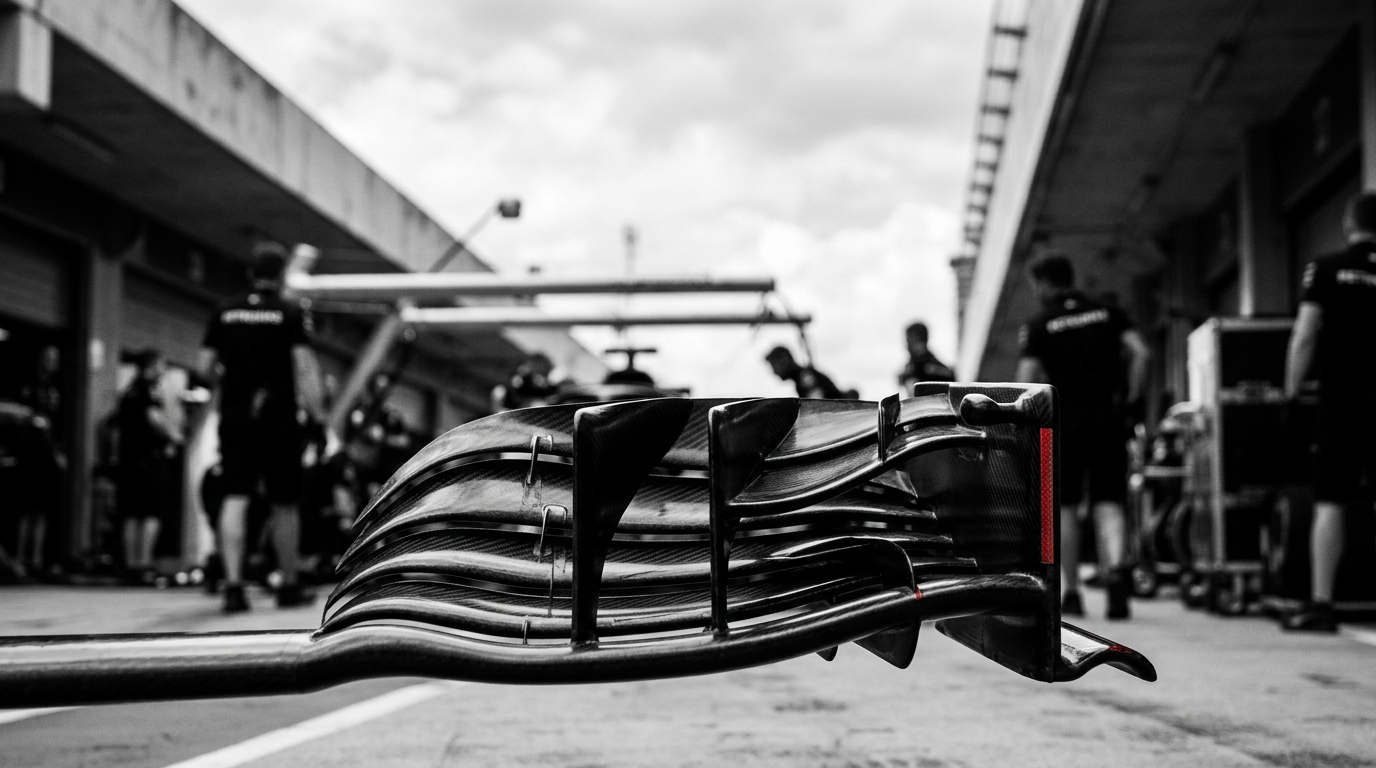
Formula 1 officials are actively investigating significant changes to technical regulations and race weekend structures. This strategic evaluation aims to strengthen the sport's operational independence from major automotive manufacturers, cultivate sustained fan engagement, and integrate advanced sustainable fuel technologies. The overarching is to ensure Formula 1's long-term viability and growth trajectory in a rapidly evolving global sports landscape.
Stefano Domenicali, the sport's chief executive, emphasized the critical need to convert recent viewership increases into lasting fan loyalty across various demographic groups. He cautioned against complacency despite current positive momentum, highlighting the continuous requirement to discover new avenues for expansion and audience connection. Discussions are specifically focusing on adapting race formats to align with contemporary viewing habits and preferences.
Race Formats and Fan Engagement
Regarding the future of sprint races, management confirmed their continued presence on the racing calendar. However, they clarified that their inclusion would be limited to fewer than half of the annual events. This decision seeks to optimize race weekend content delivery, with a particular emphasis on attracting younger demographics, which Domenicali identified as a significant and expanding segment of the fan base. The sport recognizes the importance of catering to a new generation of followers.
Historically, Formula 1 has frequently adjusted its regulations to maintain competitive balance, relevance, and safety. The current shift towards potentially less complex technical solutions in the coming years is designed to provide the sport with greater flexibility and autonomy. This approach helps manage potential disruptions if major automotive manufacturers alter their strategic directions, a concern Domenicali previously underscored as crucial for the sport's stability.
Strategic Expansion and Technological Focus
For long-term growth, Formula 1 is prioritizing expansion into new and emerging markets, specifically targeting regions in Africa and the Far East. Domenicali indicated that ongoing regulatory discussions are paramount as F1 and the FIA prepare to evaluate specifications for future power units and single-seater vehicles. He acknowledged that the industrial landscape has transformed considerably since the current regulations were initially established, necessitating a forward-looking approach.
A central component of the technological strategy involves the development of sustainable fuels and a continued emphasis on lighter car designs. These initiatives are part of a broader effort to balance the interests of manufacturers with Formula 1's need for greater autonomy. This becomes especially important if manufacturer priorities diverge from the sport's overarching vision for its future. Developing less complex technical solutions could significantly contribute to Formula 1's capacity to maintain this independence from automotive manufacturers. This strategy, while adhering to strict cost and performance objectives, would provide the sport with enhanced flexibility and adaptability, which is considered vital for its future.
Securing Future Autonomy
These ongoing discussions underscore a proactive approach to future-proofing Formula 1, ensuring its continued appeal and competitiveness within an evolving global sports and technology landscape. The delicate balance between innovation, cost control, and fan engagement remains a core challenge that the sport's leadership is actively addressing. The aim is to create a more resilient and attractive spectacle for decades to come.