Starmer Accuses Tories of Islamophobia in Parliament
Labour leader Keir Starmer accused the Conservative Party of Islamophobia following controversial comments by Shadow Justice Secretary Nick Timothy.
Lauren Collins ·
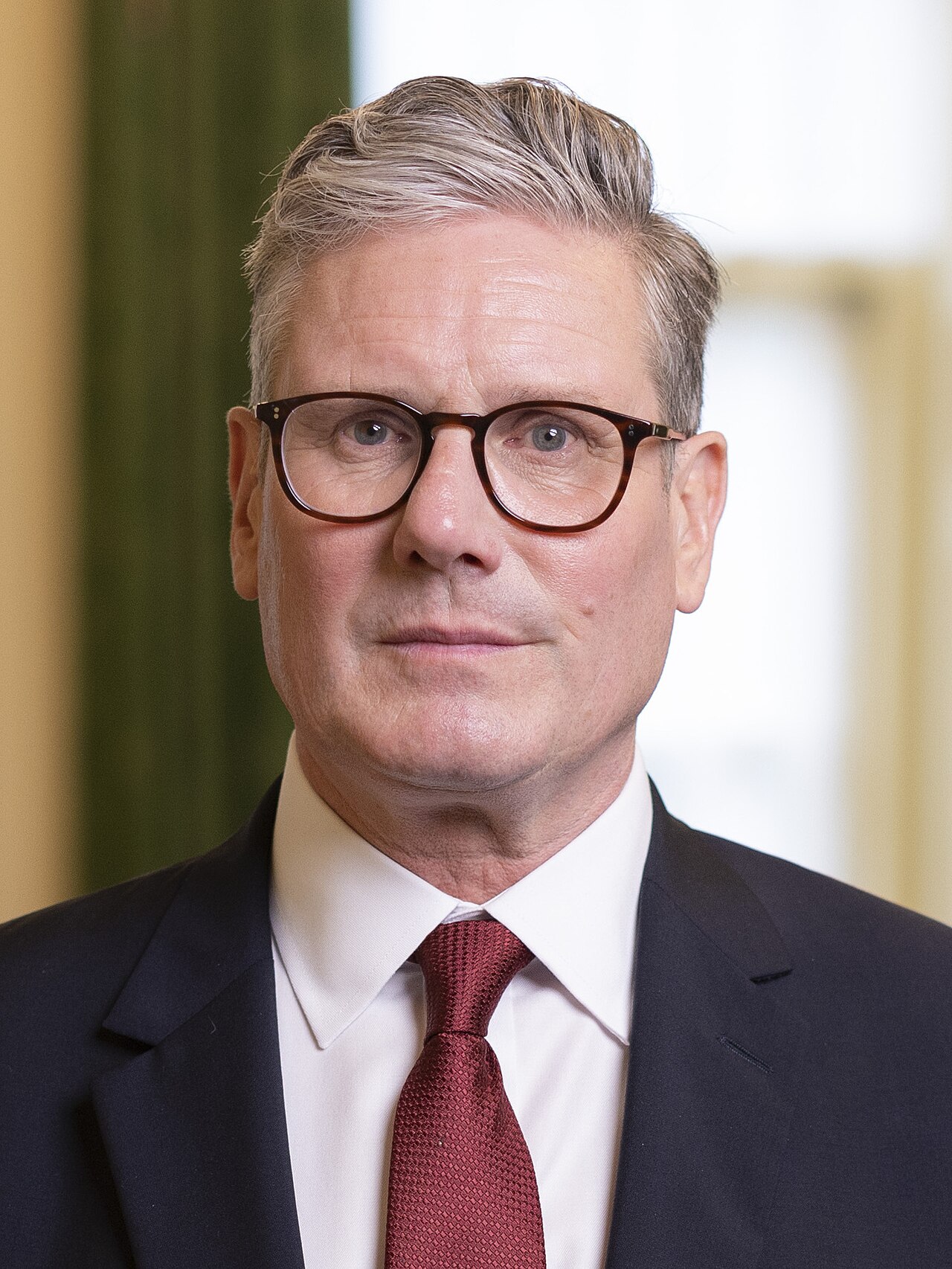
Labour Party leader Keir Starmer on Wednesday publicly accused the Conservative Party of harboring an "Islamophobia problem." The accusation, made during Prime Minister's Questions (PMQs) in the House of Commons, followed controversial remarks by Nick Timothy, the Conservative Shadow Justice Secretary. Starmer specifically called for Timothy's removal from his position.
Timothy had previously shared a video depicting London Mayor Sadiq Khan and others engaged in prayer at Trafalgar Square. Timothy characterized this act as "an act of domination" and suggested it was consistent with an "Islamist playbook." Starmer asserted that if Timothy were a member of his own political team, he would face immediate dismissal.
Call for Dismissal and Defense
During the parliamentary exchange, Starmer directly challenged Kemi Badenoch, the Secretary of State for Business and Trade, to condemn Timothy's comments and remove him from his role. Badenoch, however, defended Timothy, stating that his remarks were an act of "defending British values."
Context of the Controversy
This incident has further fueled an ongoing discussion regarding allegations of Islamophobia within the Conservative Party. Former Conservative co-chair Sayeeda Warsi has previously indicated that Muslim members of the party have expressed concerns about its current trajectory and stance on related issues.
Religious Interpretation Disputed
Religious scholars have challenged Timothy's interpretation of the prayer depicted in the video. Qari Asim, an imam, clarified that the Islamic call to prayer, known as the adhan, functions as an invitation to worship rather than a declaration of control or dominance. This clarification directly contradicts Timothy's characterization of the event.
Timothy's Background and Appointment
Nick Timothy, who previously served as a special adviser to former Prime Minister Theresa May, was appointed to his current shadow justice secretary role by Kemi Badenoch in January. His recent comments have brought renewed scrutiny to his public statements and their implications for inter-party relations and public discourse on religious matters.
Broader Political Implications
The exchange underscores the heightened political tensions surrounding issues of religious freedom, cultural integration, and perceived prejudice within the UK's political landscape. Such accusations often resonate deeply within diverse communities and can influence public trust in political institutions. The incident highlights the challenges political parties face in navigating sensitive cultural and religious topics while maintaining internal cohesion and public confidence.
Ongoing Debate on Islamophobia
The debate over Islamophobia within the Conservative Party is not new, with various reports and internal discussions having taken place over several years. Critics argue that the party has not adequately addressed these concerns, while supporters maintain that the party champions British values and religious tolerance.
This latest episode adds another layer to this complex and sensitive political discussion, potentially impacting voter sentiment and inter-party dynamics as a general election approaches.
Implications
Country Impact: The incident intensifies domestic political debate on religious tolerance and alleged Islamophobia within the Conservative Party, potentially affecting public perception and inter-community relations across the UK.
Industry Impact: No direct industry impact is immediately apparent from this political exchange. However, broader societal divisions could indirectly influence sectors reliant on social cohesion or public sentiment.
Market Impact: No direct market impact is anticipated from this specific political controversy. Financial markets typically react to broader economic policies or geopolitical shifts, not isolated political rhetoric.