Some shippers shun US-guided Hormuz transits, raising Asia energy-route risk
Shipping firms are avoiding U.S.-guided transits through the Strait of Hormuz after recent attacks, creating uncertainty for Asia-Pacific energy trade.
Mei Lin ·
# Some shippers shun US-guided Hormuz transits, raising Asia energy-route risk
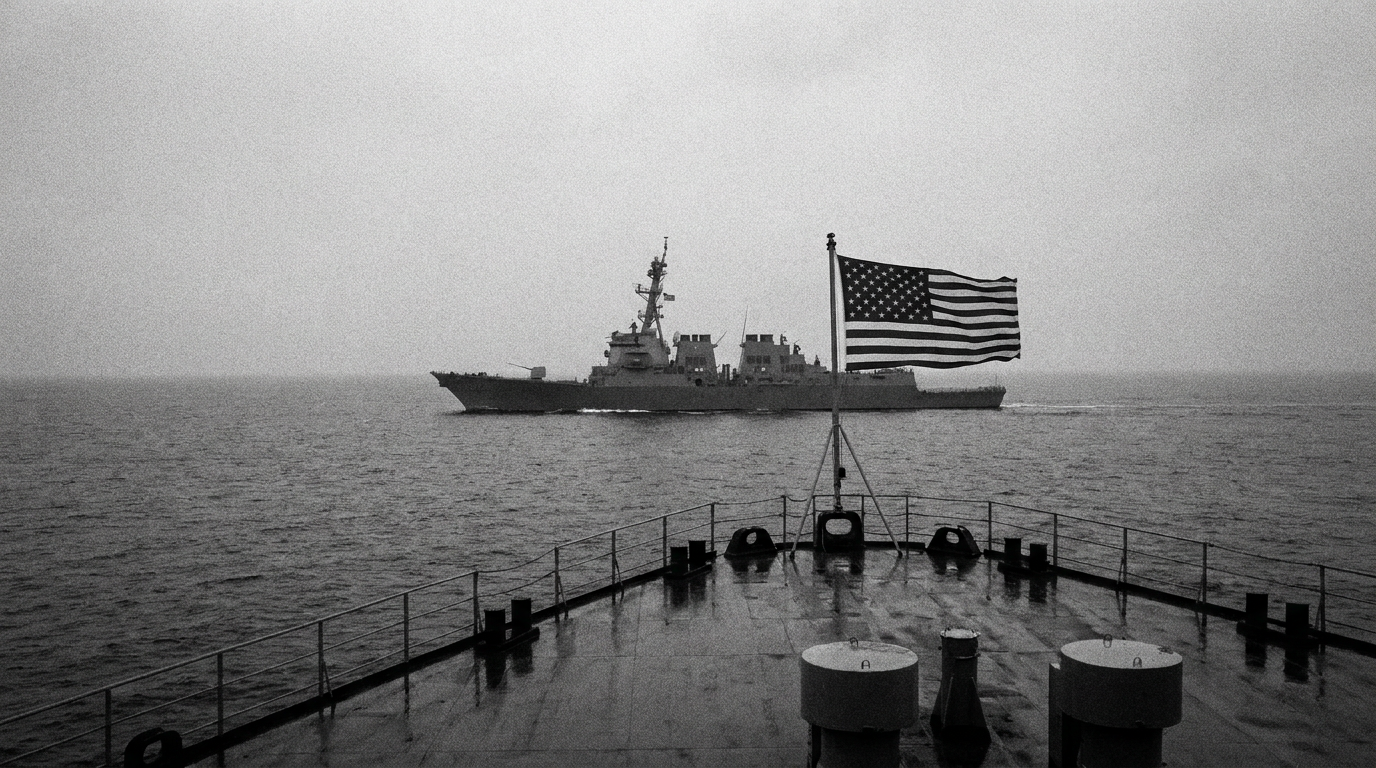
Shipping firms are avoiding a U.S. military transit route through the Strait of Hormuz after recent Iranian attacks on vessels, according to sources cited in the report. The U.S. military has been guiding commercial ships through the chokepoint after a string of incidents, but some operators now see the escorted route itself as carrying unacceptable risk. The strait remains open, but security conditions have worsened.
The Strait
The Strait of Hormuz is a narrow passage linking the Persian Gulf with the Gulf of Oman and the Arabian Sea, making it a critical corridor for energy cargoes bound for Asia. Even when the channel stays open, elevated risk can disrupt trade indirectly by changing ship routing, delaying sailings, and pushing up insurance costs for hull and cargo coverage.
The report says the U.S. military has been offering guided transits for commercial shipping in response to attacks attributed to Iran, while shippers are increasingly wary of routes that pass near Omani waters after multiple vessel incidents. For Asia-Pacific importers, the practical issue is not only whether ships can pass, but whether shipping lines and charterers are willing to accept the risk profile, crew-safety concerns, and potential cost increases that come with operating in a high-threat environment.
Asia’s largest economies are among the world’s biggest buyers of Middle Eastern crude and refined products, so any sustained shift in routing through or around Hormuz can translate into longer voyage times and tighter tanker availability. If more vessels refuse guided convoys or avoid certain stretches near Oman, the near-term spillover could include higher freight rates, wider delivery windows for spot cargoes, and increased price volatility in energy and petrochemicals that feed into manufacturing supply chains.
The Strait
The second-order effect is on financial and operational risk: war-risk insurance premiums and security-related surcharges can change quickly when operators perceive a step-up in threat. A patchwork of ship-by-ship decisions, rather than a formal closure of the strait, can still create a meaningful drag on regional trade because it complicates scheduling for ports, refiners, and downstream buyers that rely on steady inbound flows.
By 2024-08-01, watch for three falsifiable signals: (1) a clear jump in shipping insurance pricing tied to Hormuz or the Gulf of Oman, (2) explicit new advisories from maritime industry bodies designating additional high-risk zones, or (3) further incidents involving commercial vessels near the Omani route referenced in the report. If shipping volumes through the Strait of Hormuz drop materially or global maritime authorities formally declare a higher-risk posture, it would point to a sustained impairment for Asia-Pacific energy and trade; if operators broadly return to U.S.-guided transits and alternative routing fades without further incident, the current pullback is more likely a short-lived tactical adjustment.