US Nuclear Modernization Pace Crucial, Senator Emphasizes
Senator Deb Fischer highlighted the urgent need to accelerate U.S. nuclear arsenal modernization to maintain strategic stability amid global shifts.
Atlas Newsdesk ·
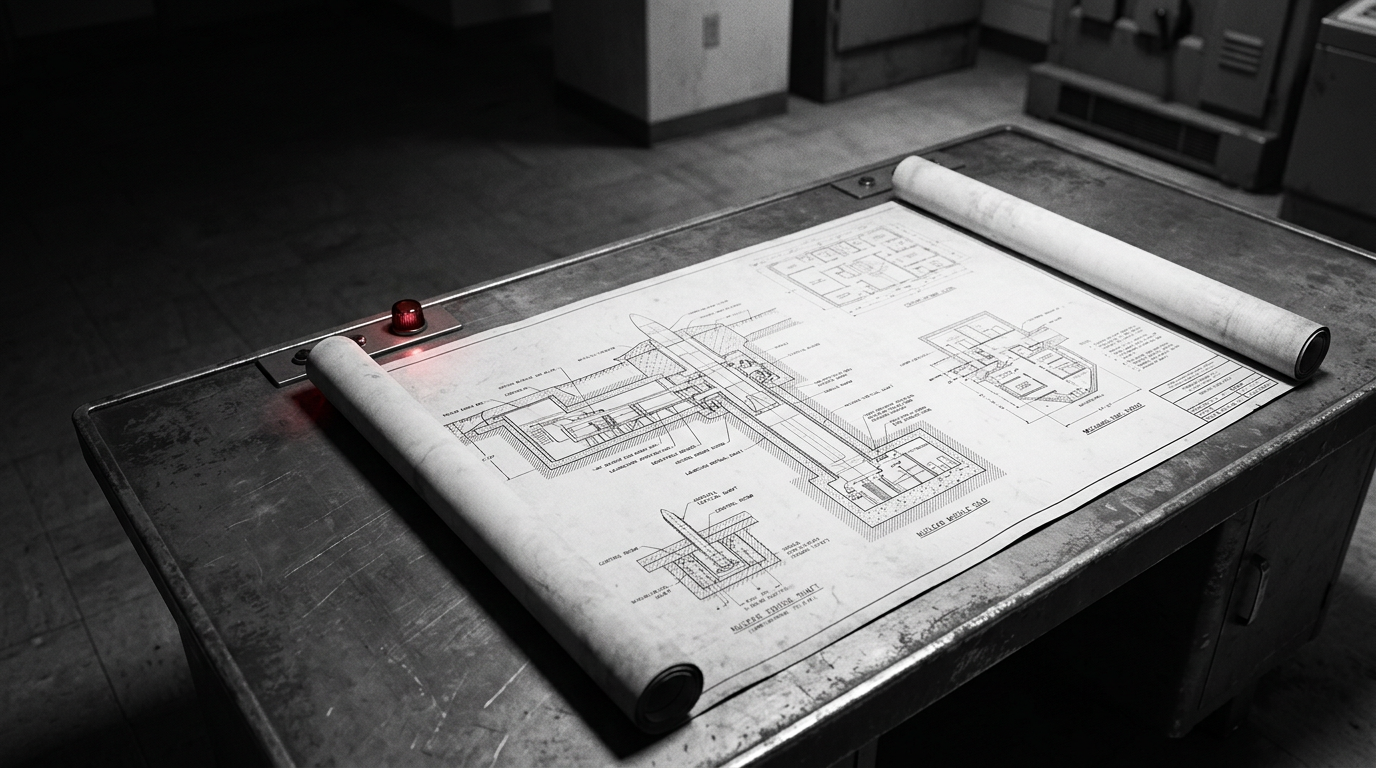
Senator Deb Fischer, the senior Republican member on the Senate Armed Services Subcommittee on Strategic Forces, recently underscored the urgent requirement for modernizing the United States' nuclear arsenal. Speaking at a recent policy discussion, Senator Fischer articulated the essential elements for sustaining American nuclear superiority within an evolving global security landscape. This discussion focused on the necessity to upgrade the nation's nuclear triad, which incorporates land, sea, and air-based delivery systems. This comprehensive modernization initiative is considered vital for countering threats from peer competitors and upholding a credible deterrent capability.
The strategic framework presented by Senator Fischer stresses continuous improvements in capabilities. This approach aims to prevent strategic instability and preserve military parity in an increasingly competitive geopolitical environment. Such modernization efforts are integral to a long-term strategy, with procurement and upgrade timelines projected to span the next two decades, aligning with established defense budget cycles.
Overcoming Modernization Hurdles
Despite the recognized importance of these modernizations, the pace of their deployment faces notable obstacles. Senator Fischer identified fiscal constraints and the capacity of the industrial base as primary factors influencing the speed at which these upgrades can be implemented. The Department of Defense must carefully balance competing priorities while allocating resources for these extensive, long-term initiatives. Historically, such large-scale defense projects have often encountered delays due to budget fluctuations and supply chain challenges, making consistent funding and industrial support critical for timely execution.
The United States' nuclear deterrent, first developed during the Cold War, has undergone various modernization cycles. The current push seeks to replace systems that are decades old, some dating back to the 1970s and 1980s, ensuring their effectiveness against advanced threats. Programs like the Sentinel intercontinental ballistic missile, the Columbia-class submarine, and the B-21 Raider bomber are central to this strategy, representing significant investments in maintaining the triad's lethality and survivability for the coming half-century.
Integrating Advanced Technologies
The subcommittee is continuously evaluating how new technologies can be integrated into the existing nuclear infrastructure. This ongoing assessment is crucial for ensuring the sustained achievement of national security objectives for future decades. The effort involves not only replacing aging systems with modern equivalents but also enhancing their technological superiority to stay ahead of potential adversaries. The is to incorporate advancements in areas such as stealth, precision targeting, and cyber resilience.
Maintaining a robust and modernized nuclear deterrent remains a foundational pillar of U.S. national security policy, providing a cornerstone for global stability. The challenges of adequate funding and sufficient industrial production capacity directly impact the nation's ability to maintain this critical strategic advantage in a complex and evolving world. The successful execution of these modernization plans is seen as essential to deterring aggression and ensuring peace through strength for the foreseeable future.